


The Search for a Slower Pace
In the whirlwind of modern life, the concept of a vacation has often meant cramming as much activity as possible into a few precious days. But a growing counter-movement is gaining serious momentum. Dubbed “slow travel,” it prioritizes connection over
checklists and immersion over sightseeing. It’s less about where you went and more about how you felt while you were there. This philosophy encourages travelers to stay in one place longer, connect with the local community, and embrace a more relaxed, unscripted pace. Emerging from the global pause of the pandemic, this desire for meaningful and restorative journeys has exploded, with travelers actively seeking escapes that offer a genuine break from the frantic energy of their daily lives. They aren't just looking to see a new place; they're looking to inhabit it, even if just for a week.
Why Kumarakom Is the Epicenter
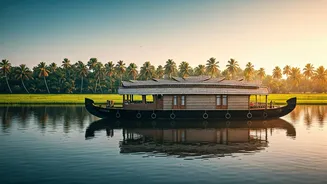
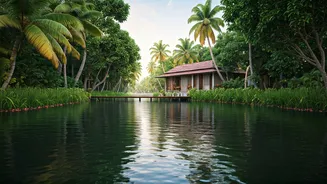
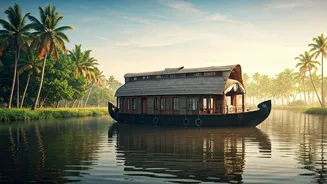
Nestled on the banks of Vembanad Lake, India's longest lake, Kumarakom is a tranquil village in the state of Kerala, famously known as “God's Own Country.” This isn't a city of grand monuments but a lush, green labyrinth of canals, coconut groves, and paddy fields. Life here moves at the speed of a hand-paddled canoe. Traditionally, tourists might have experienced this region on a brief overnight houseboat trip. Today, however, travelers are choosing to stay for days or even weeks. They are drawn to the region’s unique ecosystem, which includes a renowned bird sanctuary home to migratory species. The appeal lies in its simplicity: waking up to the sound of birds, watching fishermen cast their nets, and ending the day with a spectacular sunset over the water. Kumarakom offers the perfect antidote to digital burnout, providing a serene backdrop for a travel style that values peace and presence above all.
The Rise of the Homestay
At the heart of Kumarakom’s slow travel boom is the homestay. These are not sterile, impersonal hotels or hands-off Airbnb rentals. Keralan homestays are typically family-run operations where guests stay in a separate part of a family’s home. This model transforms a trip from a simple vacation into a cultural exchange. Instead of a continental breakfast buffet, you’re treated to homemade *puttu* and *kadala* curry prepared by your hosts. You get personalized recommendations on the best local toddy shops or the quietest canals to explore. This intimate setting fosters genuine connections, offering a window into the local way of life that a resort simply cannot replicate. Booking data and reports from local operators show a significant post-pandemic pivot toward these smaller, more authentic accommodations, as travelers bypass large hotel chains in favor of a more personal and grounded experience.
A Model for Responsible Tourism
The trend in Kumarakom is more than just a passing fad; it represents a more sustainable and ethical way to travel. When visitors choose homestays and local experiences, their money flows directly into the community, supporting families and small-scale entrepreneurs rather than distant corporations. This model, championed by Kerala Tourism’s “Responsible Tourism Mission,” helps preserve the very culture and environment that make the destination so special. By encouraging longer stays and deeper engagement, slow travel reduces the carbon footprint associated with hop-on, hop-off tourism and fosters a greater sense of respect between visitors and hosts. The booking surges for these homestays suggest that travelers are increasingly aware of their impact and are actively choosing to travel in a way that is not only better for them but also better for the places they visit.