


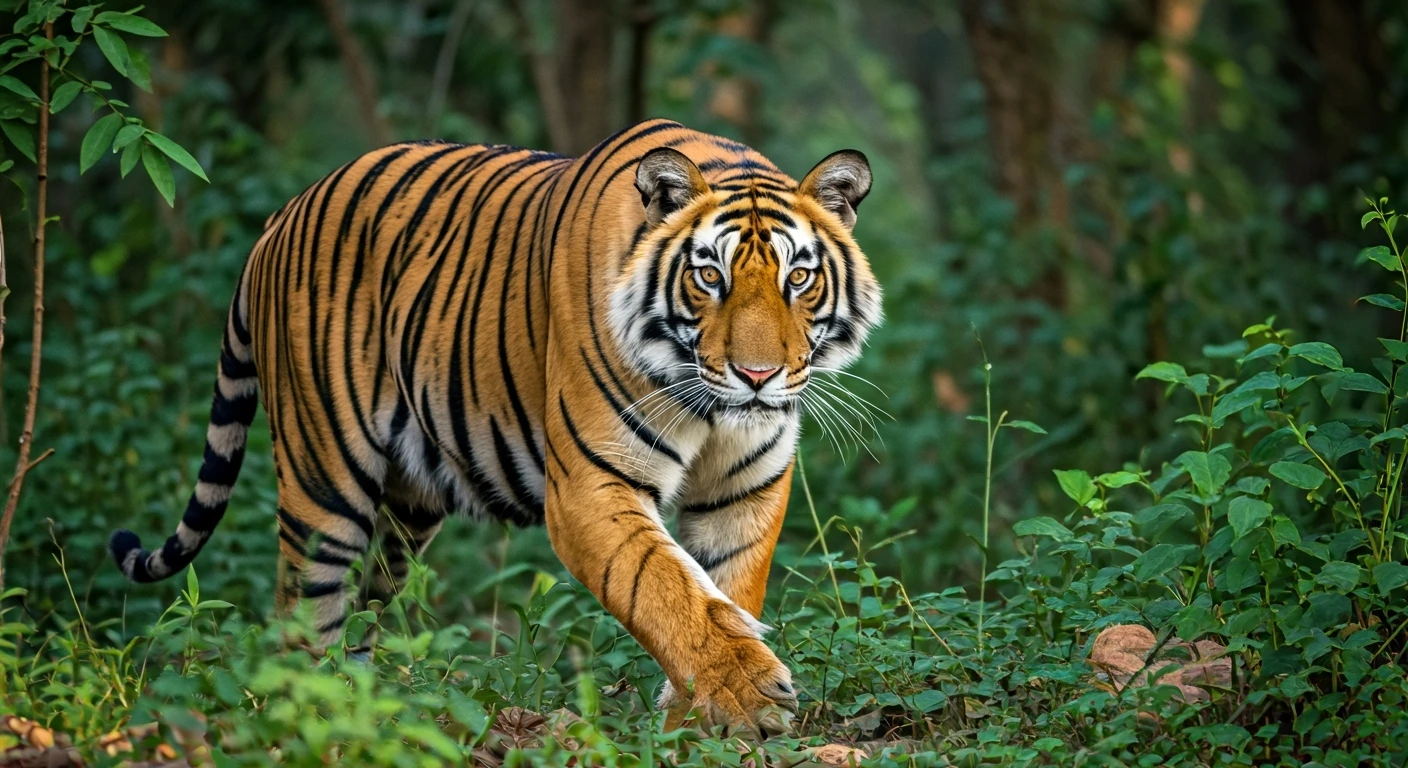

The Promise of Stripes
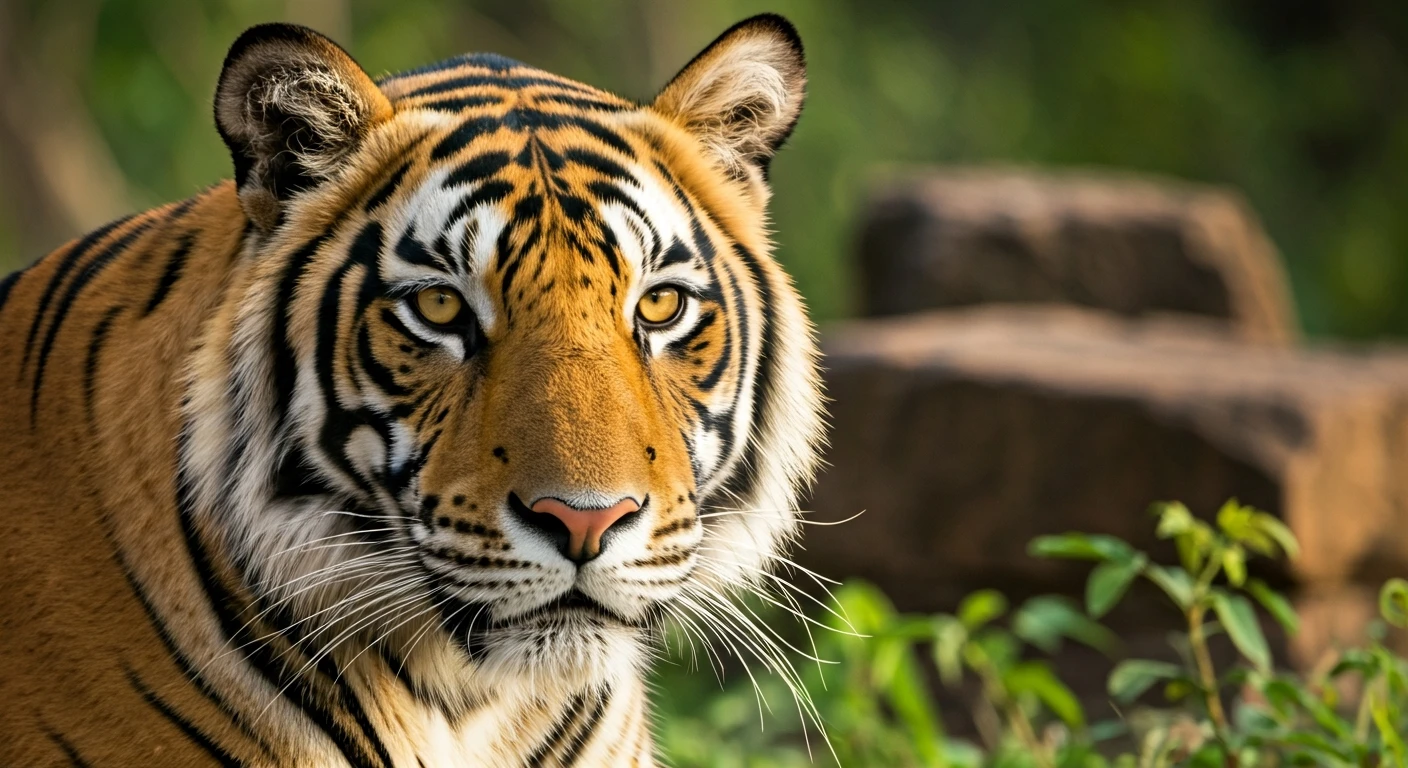
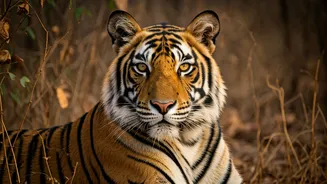
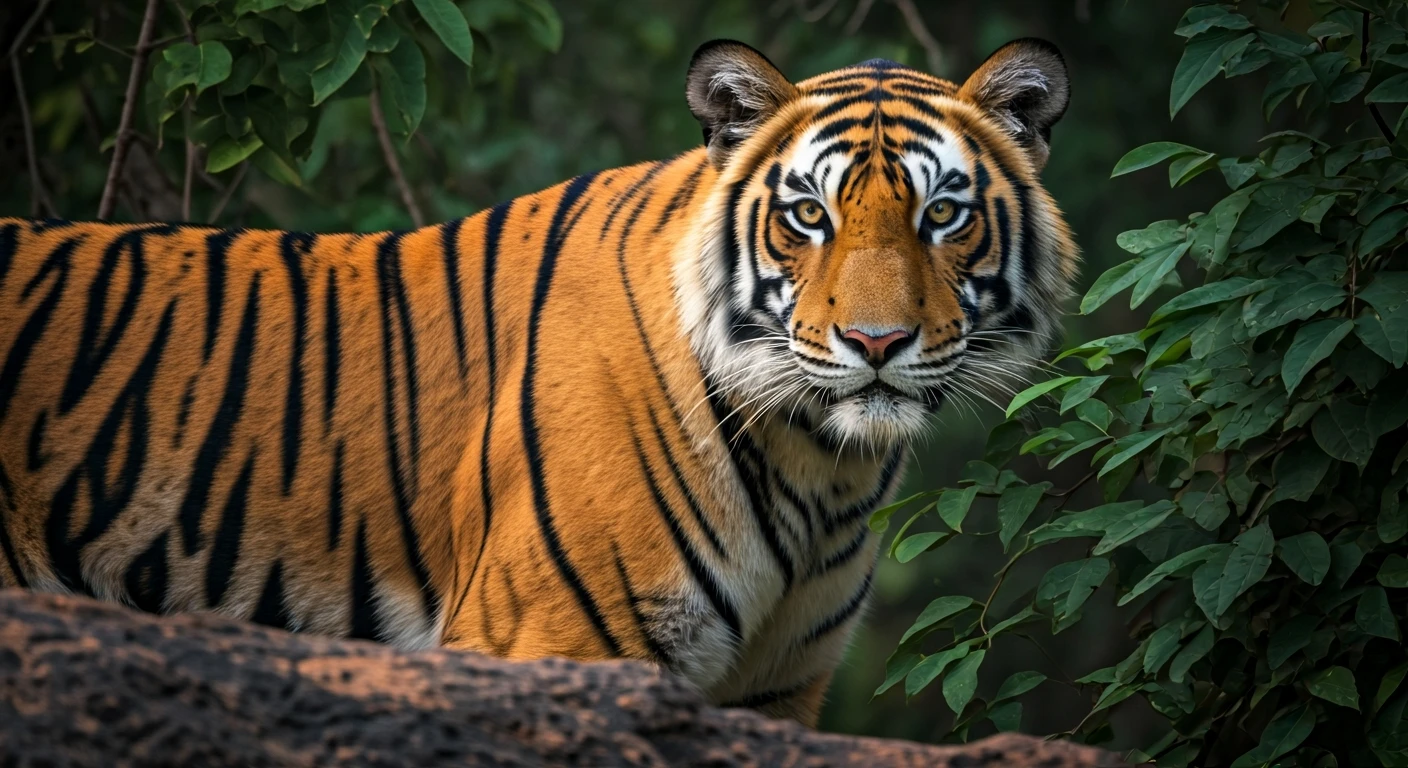
For wildlife enthusiasts, the Bengal tiger is the ultimate prize. And while several parks across India offer a chance to see one, Ranthambore National Park in Rajasthan has earned a reputation as one of the most reliable destinations for a sighting. The
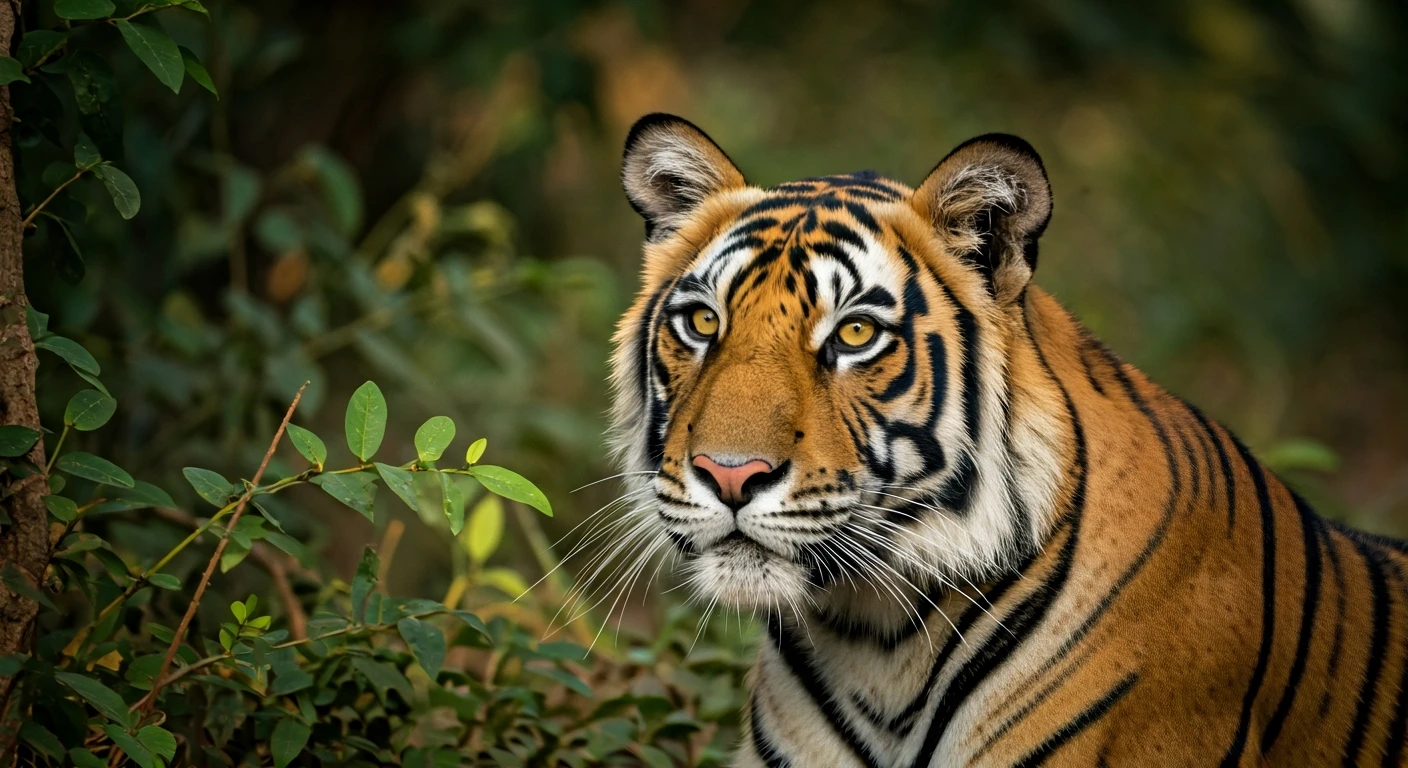
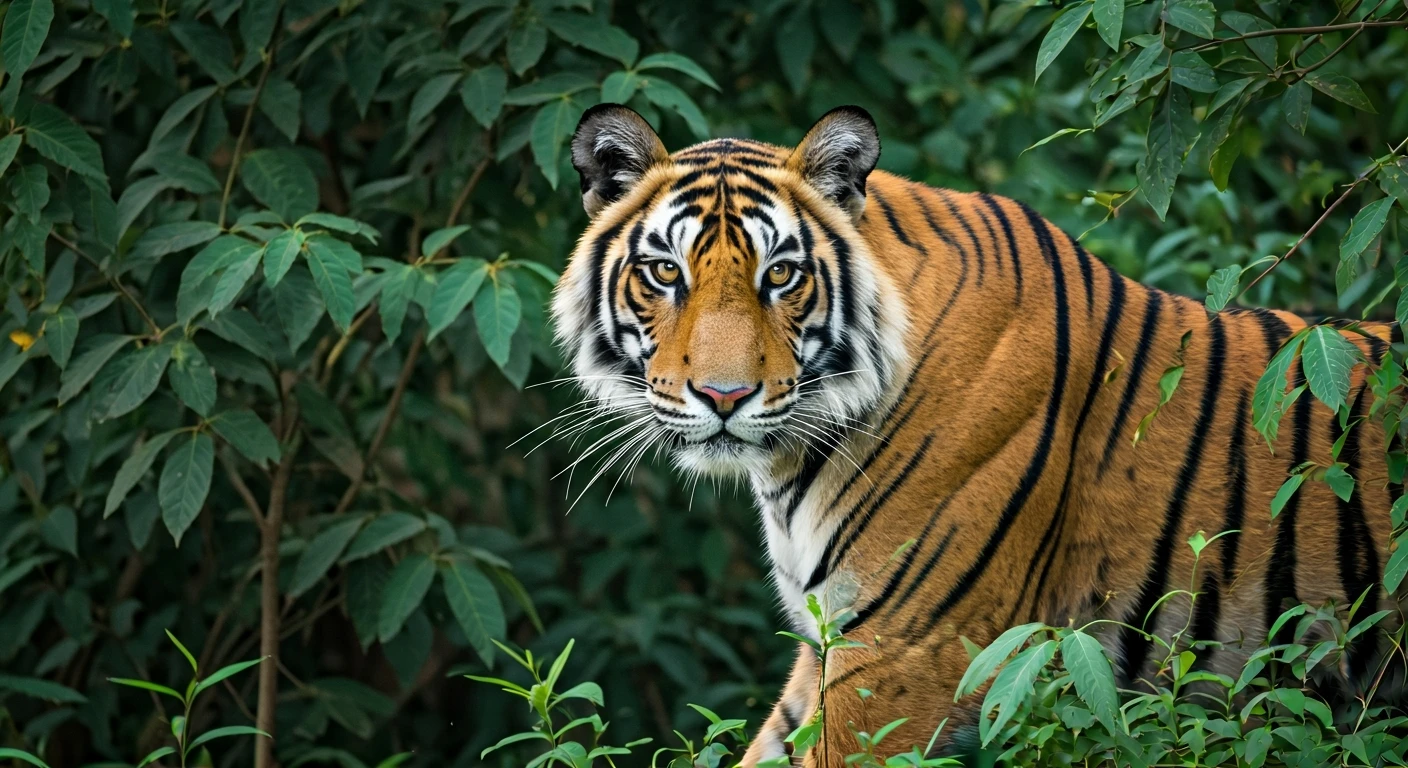
park's relatively dry, deciduous forest means visibility is better than in denser jungles, and the tigers themselves have become famously habituated to the presence of safari vehicles. This isn't a zoo; the thrill of the search is a huge part of the experience. Your guide will track pugmarks in the dust, listen for the alarm calls of deer and monkeys, and follow instincts honed over years. When the moment finally arrives—a massive tiger emerging from the brush, strolling languidly down the track just feet from your open-air jeep—it’s a heart-stopping, unforgettable encounter. The park’s high density of tigers in the core tourist zones significantly ups your odds of witnessing this incredible spectacle.
A Kingdom for the Kings
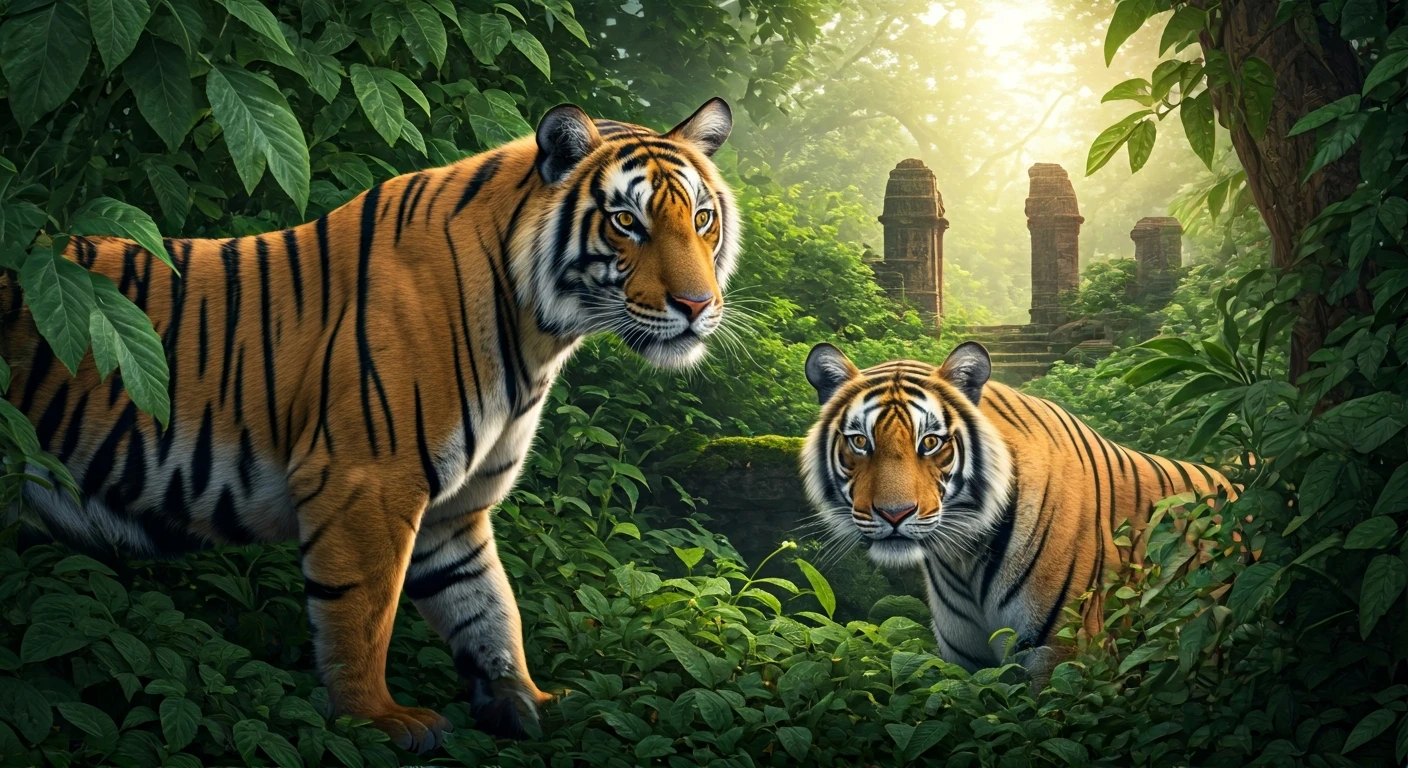
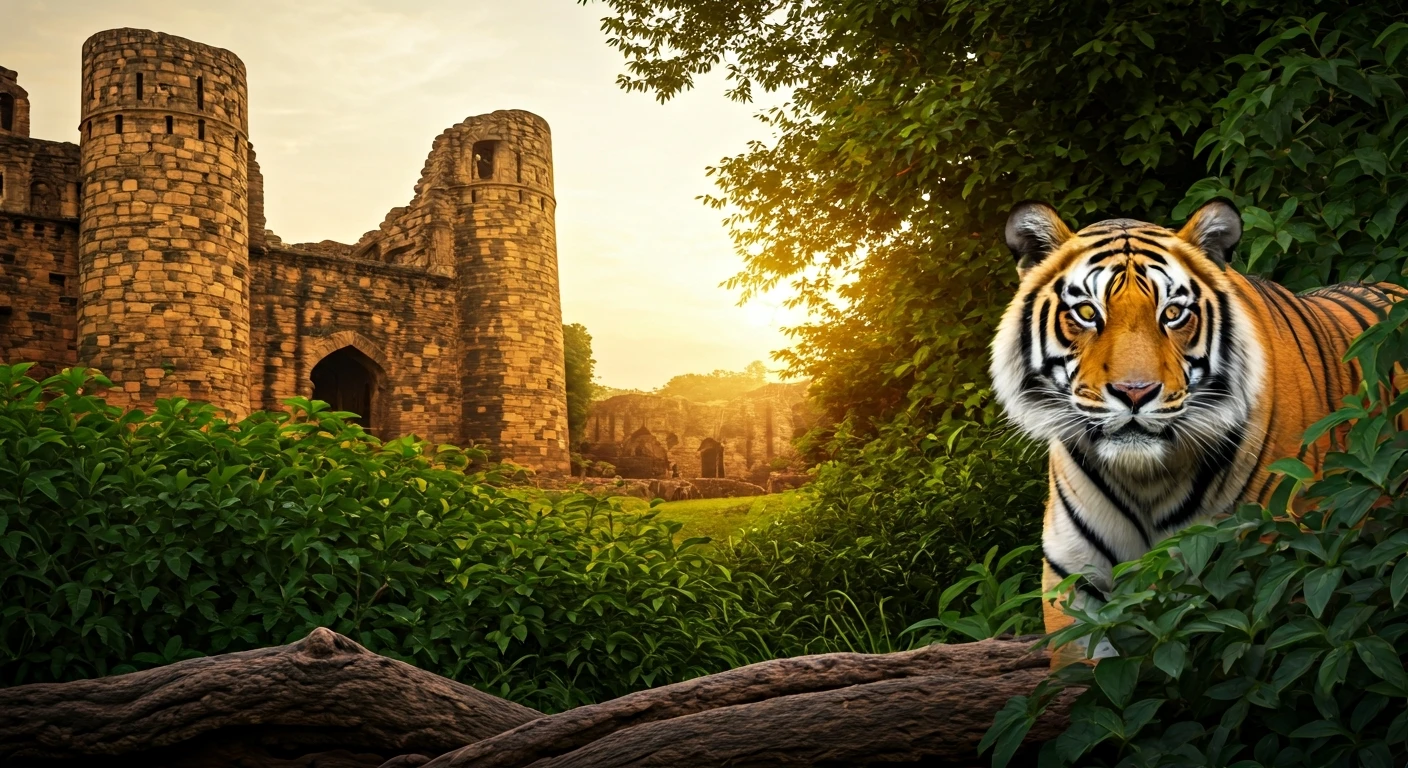
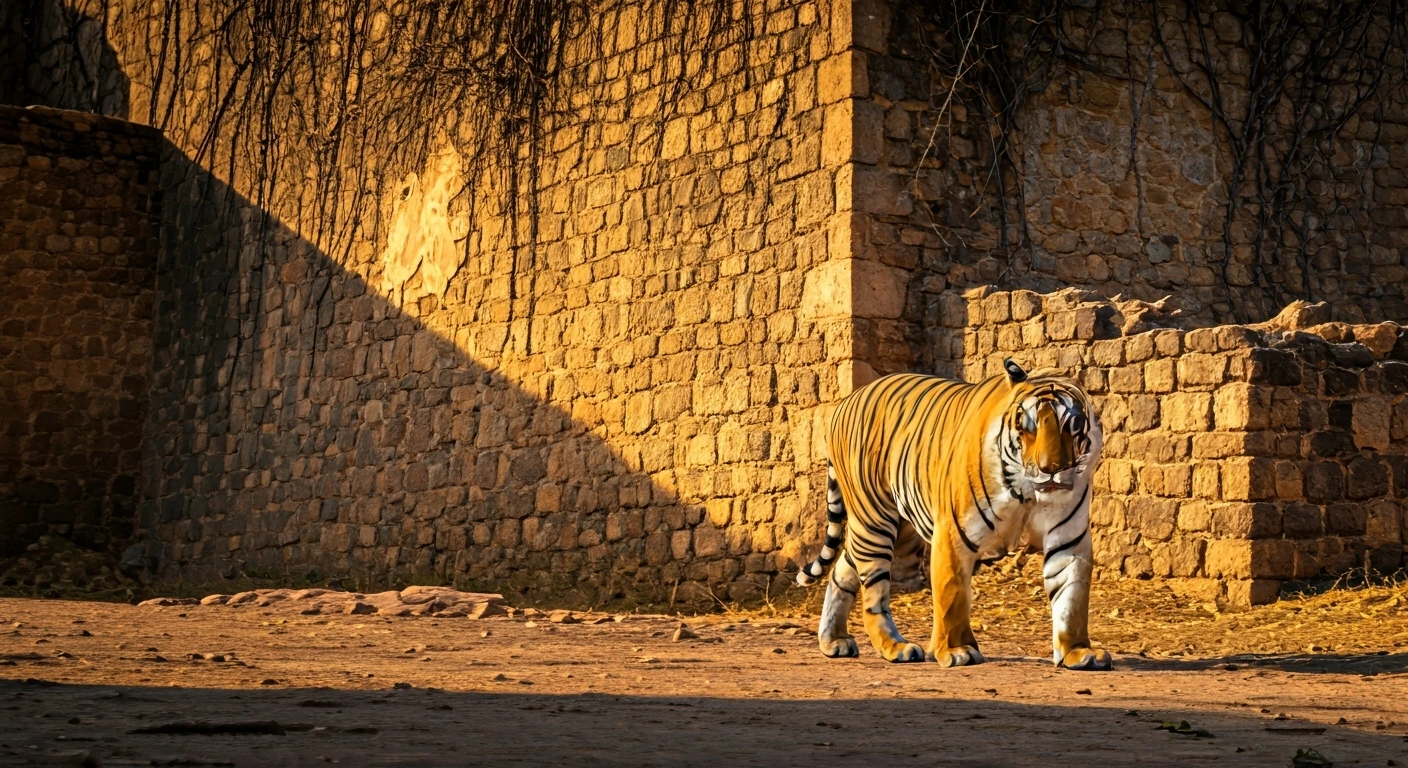
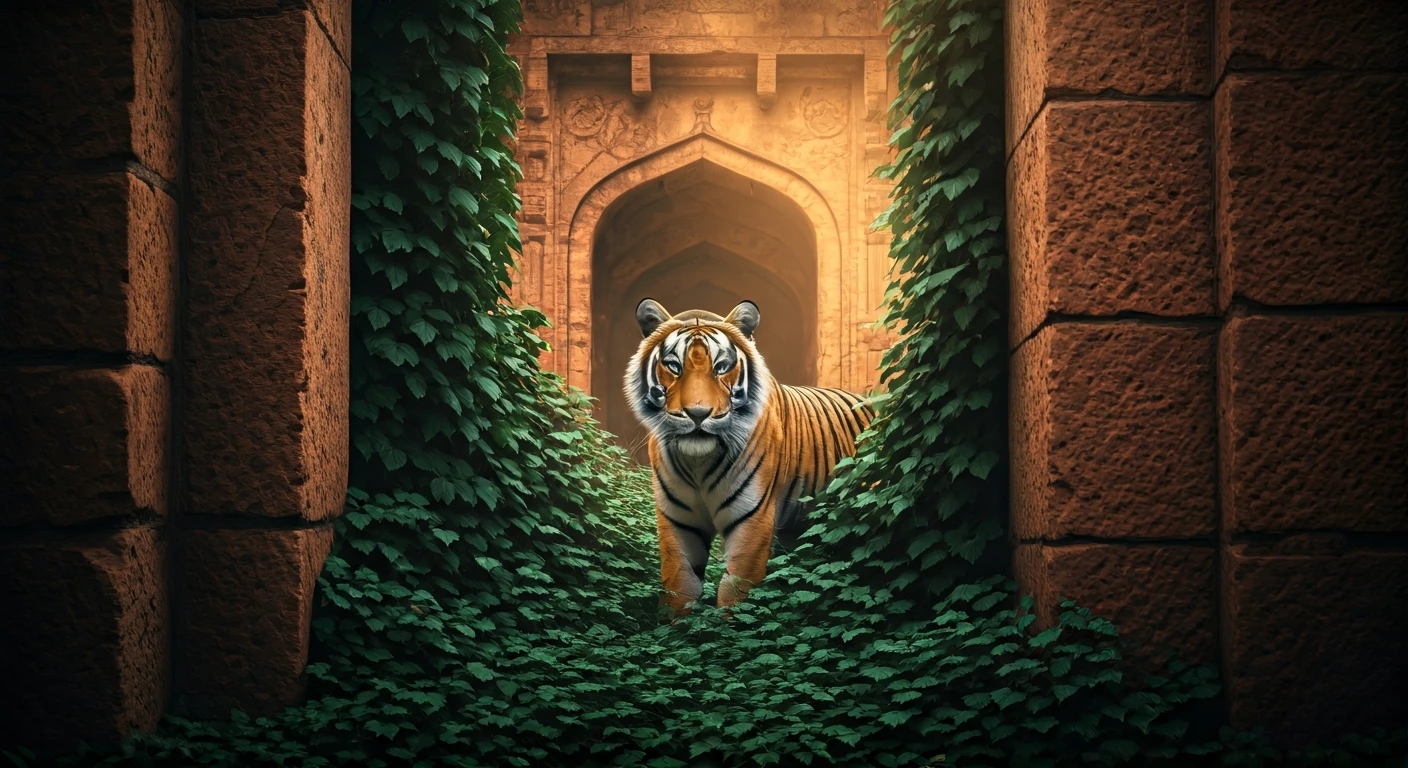
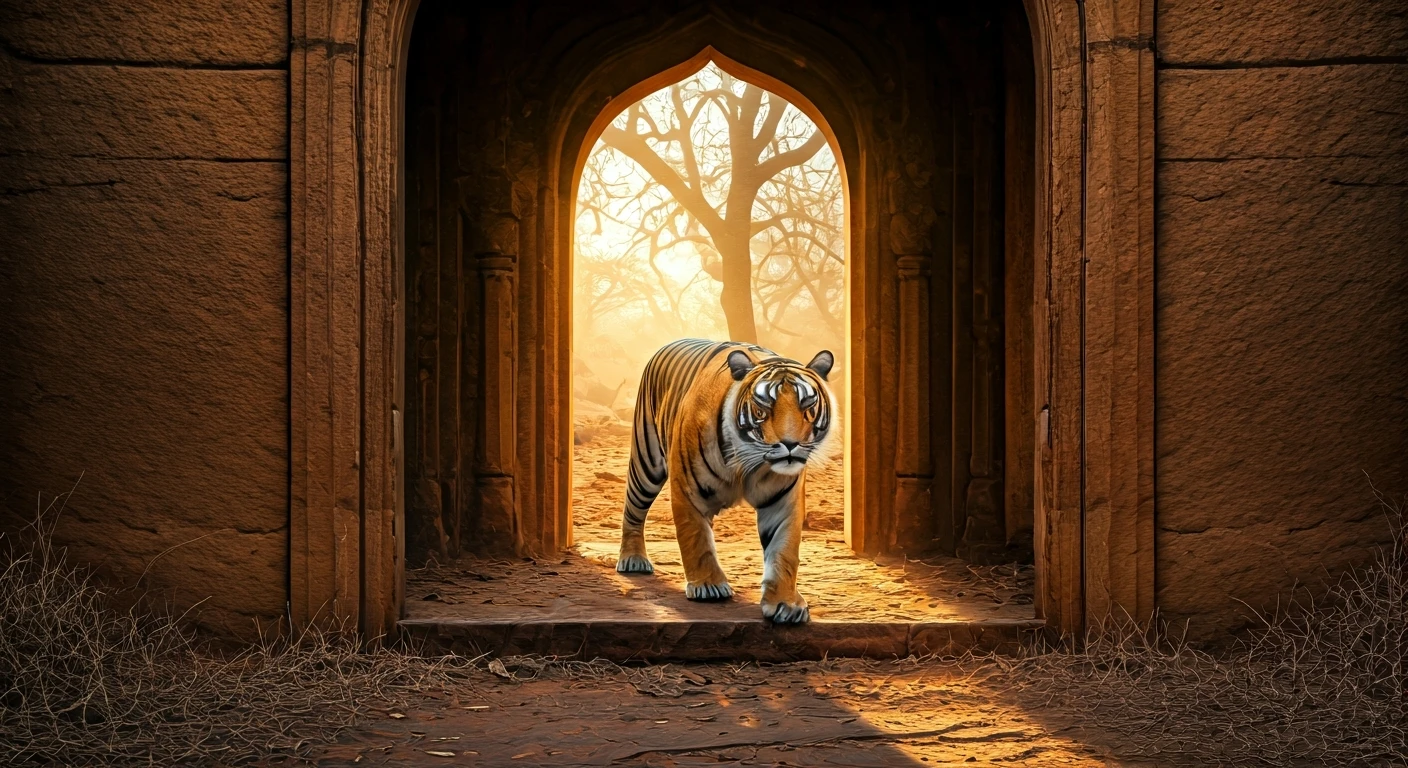
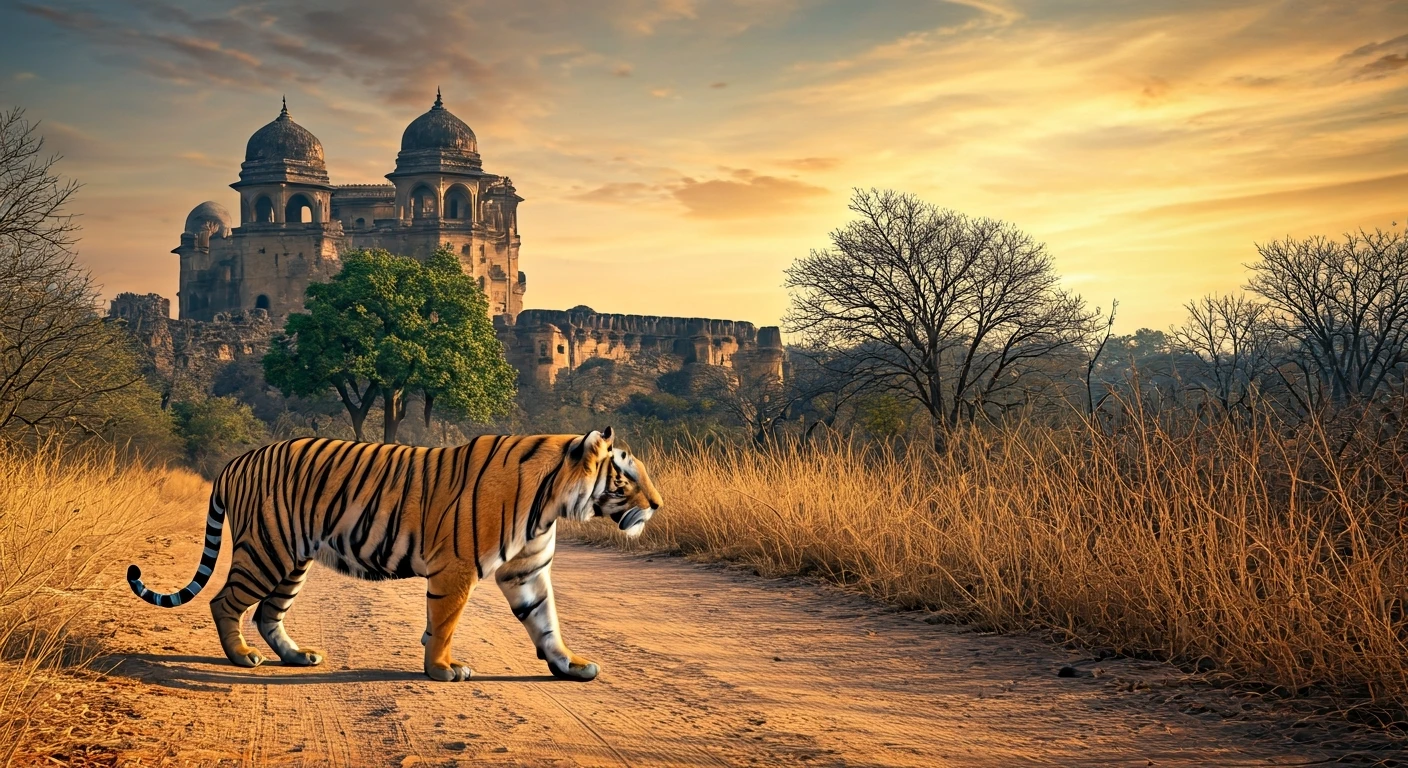
What truly sets Ranthambore apart from any other wildlife park on Earth is its history. The entire landscape is dominated by the formidable Ranthambore Fort, a 10th-century stronghold and UNESCO World Heritage site that looms over the forest. The park was once the private hunting ground for the Maharajas of Jaipur, and the legacy of that royal era is everywhere. Ancient temples lie half-swallowed by banyan tree roots, crumbling hunting pavilions dot the lakeside, and elegant stone cenotaphs stand as silent memorials. Tigers are frequently photographed lounging on these ruins, sleeping in the shade of a temple arch, or drinking from lakes that once served royalty. This isn't a backdrop that was added for effect; it’s an authentic, living stage. You’re not just watching wildlife; you’re watching it interact with centuries of human history in a way that feels both epic and deeply poetic.
The Safari Experience
A Ranthambore safari is a masterclass in anticipation. Game drives, typically lasting about three hours, happen twice a day: once in the early morning and again in the late afternoon. You’ll ride in either a six-seater open-top jeep, called a Gypsy, or a larger 20-seater open-air bus, called a Canter. While Canters are more budget-friendly, the smaller Gypsy offers a more intimate and nimble experience, allowing it to navigate tighter tracks. The park is divided into 10 zones, and your vehicle is randomly assigned a zone when you book. While some zones historically have more frequent sightings, tigers roam freely, and a great guide can find wildlife anywhere. The shared goal creates a palpable sense of camaraderie among the vehicles; drivers and guides exchange information, pointing and gesturing to give everyone the best chance of a successful drive.
Beyond the Tiger
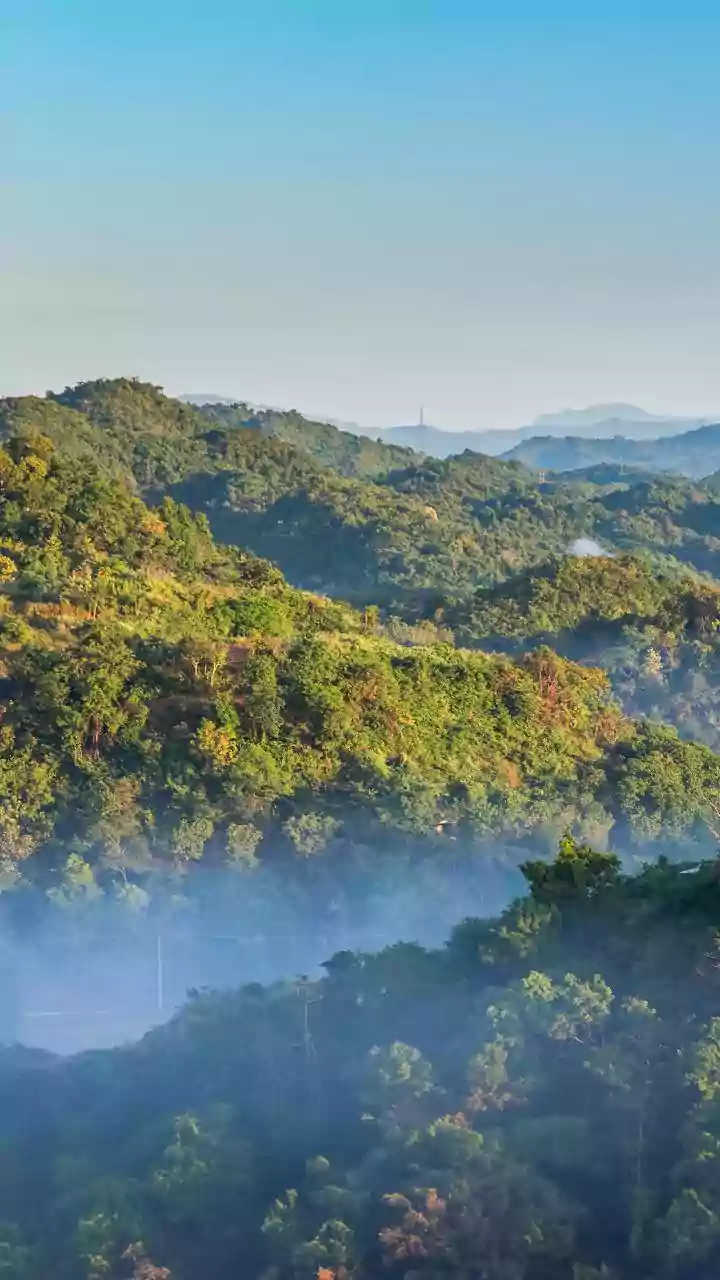
While the tiger is undoubtedly the star, Ranthambore is teeming with other life. The park is a fantastic place to spot leopards, though they are notoriously shy. Sloth bears, sambar deer (Asia’s largest deer), wild boar, and marsh crocodiles are all common sights. For birders, Ranthambore is a paradise, with over 300 species recorded, from crested serpent eagles to vibrantly colored kingfishers. The varied landscape of rocky cliffs, serene lakes, and sprawling grasslands ensures that even if a tiger remains elusive on one of your drives, there is always something fascinating to see. The sheer beauty of the park, especially around the lakes of Padam Talao and Rajbagh Talao, makes every moment of the safari a visual feast.
Planning Your Royal Safari
To make the most of a Ranthambore trip, timing and planning are key. The best season for sightings is during the dry months, from October to June, when animals congregate around the remaining water sources. The park is closed for the monsoon season from July to September. Safari permits are limited and must be booked well in advance, often 90 days or more, through the official government portal or a trusted travel agent. Accommodations run the gamut, from ultra-luxurious tented camps that evoke the glamour of a royal hunt (like Aman-i-Khas or Suján Sher Bagh) to comfortable heritage hotels and budget-friendly guesthouses in the nearby town of Sawai Madhopur. Combining a few days in Ranthambore with visits to the nearby cities of Jaipur and Agra creates the classic “Golden Triangle” tour, offering a perfect blend of Indian culture, history, and wildlife.