





The Eleventh Day of Devotion
To understand Nirjala Ekadashi, you first have to know about Ekadashi itself. The word translates to "the eleventh day" in Sanskrit, referring to the 11th day of each of the two lunar fortnights in the Hindu calendar. Occurring twice a month, these days
are considered especially auspicious for spiritual activities and are dedicated to Lord Vishnu, the preserver and protector in the Hindu trinity. Many Hindus observe a fast on every Ekadashi, typically abstaining from grains and beans. It’s a regular rhythm of spiritual cleansing, a bi-monthly reset button for the mind and body. But among the 24 Ekadashis in a year, one stands apart in its rigor and significance.
The Ultimate Test: A Waterless Vow
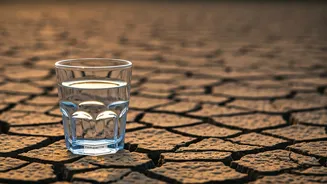
Nirjala Ekadashi is often called the most difficult of all the fasts. The term "Nirjala" literally means "without water." Devotees who undertake this vow abstain from all food and, crucially, all water from the sunrise of Ekadashi to the sunrise of the following day. This period of complete abstinence lasts for more than 24 hours. The discipline required is immense. In the heat of early summer when it typically falls (in the Hindu month of Jyeshtha, around May or June), going without water is an extreme act of self-control. This physical austerity is not an end in itself; rather, it's a tool to withdraw the senses from worldly distractions and focus all of one’s energy on spiritual thoughts, prayers, and meditation.
The Legend of the Mighty Bhima
So, why would anyone undertake such an arduous fast? A popular story from the epic Mahabharata provides a powerful origin. Bhima, the second of the five Pandava brothers, was known for his immense strength and an equally immense appetite. While his brothers and wife observed all 24 Ekadashi fasts throughout the year, Bhima found it impossible to control his hunger. Distressed, he sought the counsel of the great sage Vyasa. Understanding Bhima's plight, Vyasa offered a compassionate compromise: if he could perfectly observe just one fast—the Nirjala Ekadashi—he would gain the spiritual merit of observing all 24. Bhima agreed and completed the difficult vow. Because of this legend, the day is also known as Bhimseni Ekadashi, a testament to how even the most earthly of desires can be mastered for a higher purpose.
More Than Just Physical Endurance
For observers, Nirjala Ekadashi is far more than a feat of physical endurance. It is an exercise in faith. The core belief is that by detaching from the most basic bodily needs—food and water—a person can more easily attach their consciousness to the divine. The energy normally spent on digestion and other metabolic processes is redirected toward spiritual contemplation. The day is often spent chanting mantras dedicated to Vishnu, reading sacred texts like the Bhagavad Gita, visiting temples, and engaging in acts of charity. The fast is seen as a way to purify the body, mind, and soul, washing away past misdeeds and opening a path for spiritual growth and grace. It embodies the principle that true strength is not just physical might, but the power of one’s will and devotion.
A Modern Expression of Ancient Faith
Today, millions of Hindus around the world, including a growing diaspora in the United States, continue to observe Nirjala Ekadashi. It serves as a powerful connection to their cultural and spiritual heritage. While some may undertake the full, strict fast, others adapt it to their health and circumstances, perhaps by consuming fruit or water. Regardless of the level of austerity, the day remains a potent symbol of devotion. It’s a personal journey of introspection and a communal expression of faith, uniting families and communities in a shared purpose. In a modern world filled with constant distraction, this ancient practice offers a quiet, profound reminder of the power that lies in simplicity, discipline, and unwavering belief.