




The Evolution of Green Bragging Rights
For years, the pinnacle of indoor greenery was keeping a Fiddle Leaf Fig alive. It was a test of patience, a symbol of domestic stability, and a reliable piece of living room decor. But as urbanites grew more confident in their horticultural skills, the goalposts
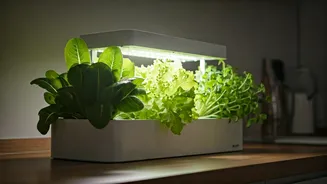
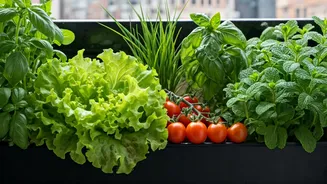
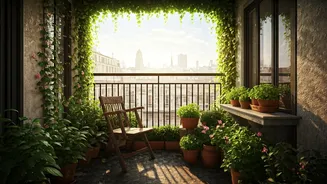
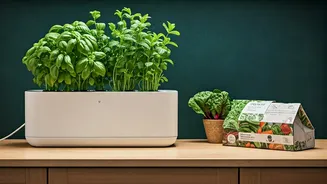
moved. Simply keeping a plant alive was no longer enough. The new challenge? Making it productive. Enter the balcony salad garden. This isn't just a few pots of geraniums; it's a miniature, curated farm specializing in leafy greens, herbs, and other salad-adjacent produce. It’s the logical next step for a generation that mastered sourdough starters during lockdown and now seeks a more permanent connection to their food. This shift transforms a decorative hobby into a functional, edible one, turning a few square feet of outdoor space into a statement of self-sufficiency.
What Makes It a 'Flex'?
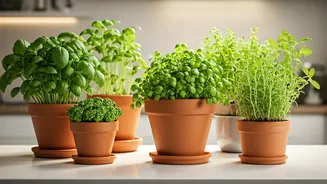
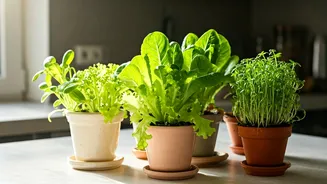
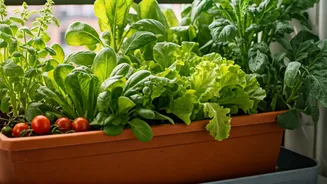
The term “flex” implies showing off, but this isn’t about flaunting wealth. It’s a more subtle, sophisticated brag. First, it’s a flex of *skill and dedication*. Anyone can buy a bag of mixed greens from the grocery store. It takes knowledge, patience, and persistence to successfully cultivate your own, battling pests, managing sunlight, and watering consistently. A lush pot of romaine is a living trophy that says, “I can nurture things. I am competent.” Second, it’s a flex of *lifestyle*. A balcony salad garden telegraphs a whole host of desirable modern values. It says you care about sustainability, fresh food, and wellness. It suggests you’re the kind of person who makes their own vinaigrette, enjoys an impromptu appetizer of fresh-picked cherry tomatoes, and probably has a great playlist for potting soil sessions. It’s an aesthetic and an ethos, all contained in a terracotta pot. Posting a photo of your homegrown salad isn't just food content; it's a carefully crafted piece of personal branding.
The Hyper-Local Harvest
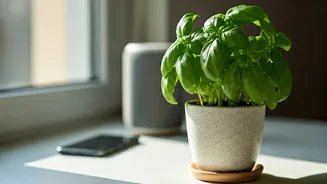
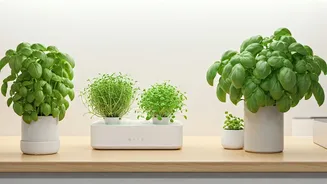
Beyond the social capital, the appeal is deeply practical and sensory. There is simply no comparison between the taste of a leaf of lettuce picked seconds before it’s eaten and one that has spent a week in refrigerated transit. The flavors are more pronounced, the textures crisper. This is the definition of “farm-to-table,” shortened to “pot-to-plate.” This trend taps into a growing desire for transparency in our food systems. When you grow it yourself, you know exactly what went into it. There are no mysterious pesticides, no questions about its origin. This control is a powerful antidote to the anxieties of the modern food supply chain. A small harvest of basil, mint, and parsley isn't just the foundation for a great sauce or cocktail; it’s a small patch of personal food security, offering a delicious and tangible reward for your efforts.
More Than Just Lettuce
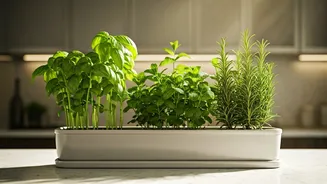
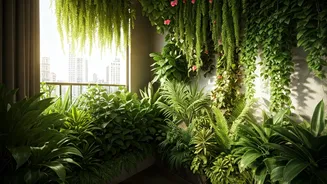
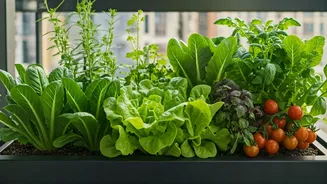
While “salad garden” is a convenient shorthand, the trend extends to a whole ecosystem of balcony-friendly edibles. Aromatic herbs like rosemary and thyme elevate home cooking and cocktails. Spicy arugula and peppery radishes add a kick to any dish. A single tumbling tomato plant can provide a summer’s worth of sweet, sun-ripened snacks. Even edible flowers like nasturtiums or pansies can make an appearance, adding a touch of gourmet flair to a simple green salad. This small-scale farming also serves as a form of daily therapy. The ritual of watering, checking for new growth, and snipping off leaves for dinner provides a gentle, grounding routine. In a world of endless screen time and abstract digital work, the simple, tactile act of tending a garden offers a powerful connection to the physical world—a moment of green mindfulness against a backdrop of concrete and steel.