




A Fortress in the Sky
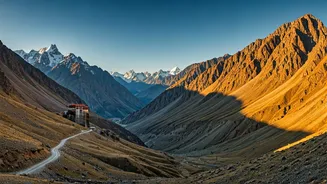
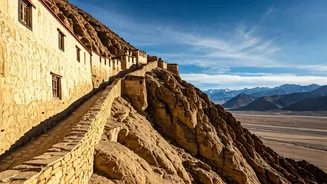
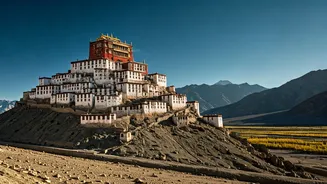
The first glimpse of Key Monastery is an unforgettable reward for a long and arduous journey. Located in the Spiti Valley of Himachal Pradesh, a high-altitude cold desert in the Indian Himalayas, the monastery appears almost to grow out of the rock it sits
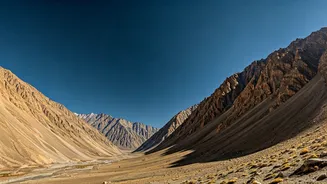
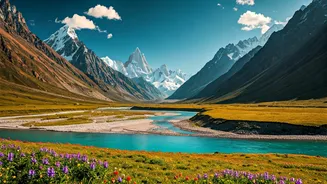
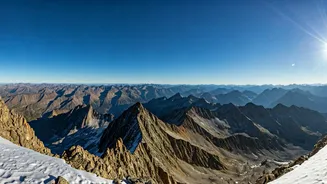
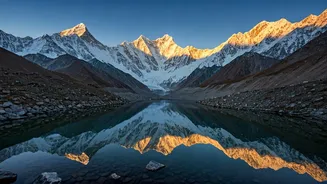
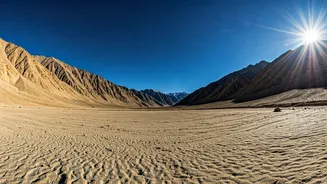
upon, over 13,600 feet above sea level. Its jumbled, box-like structures, stacked one on top of the other, are a testament to centuries of construction, destruction, and rebuilding. This isn’t a single, planned building but a living organism of a monastery, shaped by time, invasion, and earthquakes. The journey itself is part of the experience. The roads into Spiti are notoriously treacherous, winding through barren canyons and over high mountain passes. This forced slowness and deliberate effort filters out casual tourists, leaving behind travelers who are truly invested in reaching this remote corner of the world. When you finally arrive and look up at the gompa (a Tibetan Buddhist monastery), its dramatic placement against a backdrop of snow-dusted peaks and the winding Spiti River feels less like a destination and more like a revelation.
The Heartbeat of the Valley
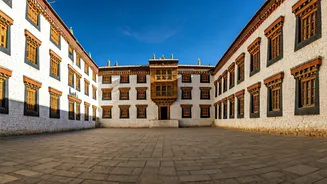
For the people of Spiti, Key Monastery (also spelled Ki, Kye, or Kee) is more than just a picturesque landmark; it is the spiritual and cultural heart of the valley. Established in the 11th century, it is one of the oldest and largest monasteries in the region, serving as a vital religious training center for lamas. For centuries, it has followed the Gelugpa sect, the same school of Tibetan Buddhism as the Dalai Lama. Walking through its narrow, maze-like corridors feels like stepping back in time. Young monks in crimson robes might hurry past on their way to prayers, their chants echoing from a distant hall. The air is thick with the scent of burning juniper incense and melting butter lamps. The monastery isn't a museum piece preserved for visitors; it's a bustling, active institution. It is this living, breathing quality that provides the true “hook” for spiritual travelers. You aren't just observing history; you are briefly stepping into a continuous stream of devotion and learning that has flowed here for a millennium.
Layers of History and Art
Inside the monastery's thick walls, a treasure trove of art and history awaits. The prayer halls are adorned with spectacular murals and thangkas (Tibetan Buddhist paintings on silk or cotton) that depict deities and scenes from Buddhist mythology. Some of these artworks are centuries old, their colors still vibrant in the dimly lit rooms. The library holds a priceless collection of ancient manuscripts and sacred texts. One of the most captivating rooms is the Tangyur, a chamber dedicated to the sacred lore of the monastery. It is filled with murals that tell stories of spiritual battles and enlightenment. Standing in this room, you can feel the weight of generations of monks who have prayed, studied, and meditated within these same walls. The monastery also houses an impressive collection of weapons—swords, shields, and other armaments—that were likely used to defend it during its turbulent history of attacks by Mongol and other regional armies. This juxtaposition of profound peace and a history of conflict adds another layer to its compelling story.
More Than Just a Monastery
Ultimately, the spiritual pull of Key Monastery extends far beyond its physical walls. It acts as an anchor for a broader journey into the landscape and culture of Spiti Valley. The experience is defined by the immense silence of the mountains, the stark, lunar-like terrain, and the incredible resilience of the local people who have carved out a life in this harsh environment. A visit here encourages introspection. The lack of modern distractions, the thin air that forces you to move slowly, and the sheer scale of the natural world all combine to create a deeply meditative state. The “spiritual hook” isn't necessarily about converting to Buddhism; it’s about disconnecting from the noise of modern life and connecting with something more fundamental—nature, history, and a quiet, internal space within oneself. The monastery is the focal point, but the pilgrimage is the entire journey through Spiti.