



The Himalayan Hideaway You Haven't Heard Of
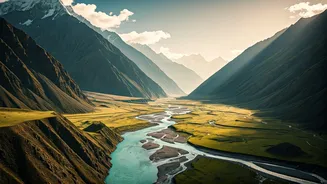
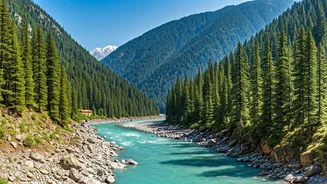
Forget the well-trodden tourist circuits. Tirthan Valley, nestled in the Kullu district of Himachal Pradesh, is an eco-tourism haven that feels like a world apart. Situated alongside the gushing Tirthan River, the valley serves as the gateway to the Great
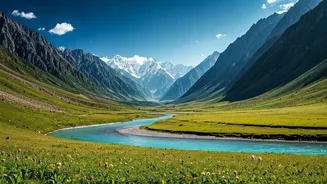
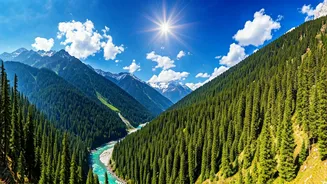
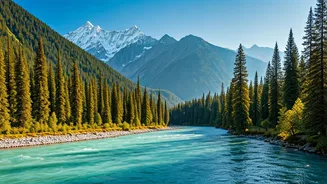
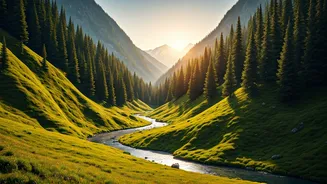
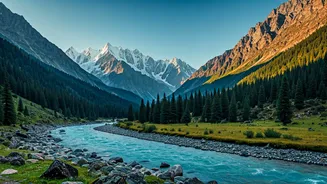
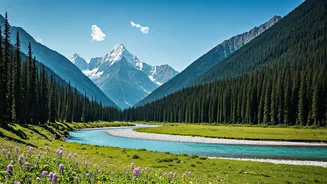
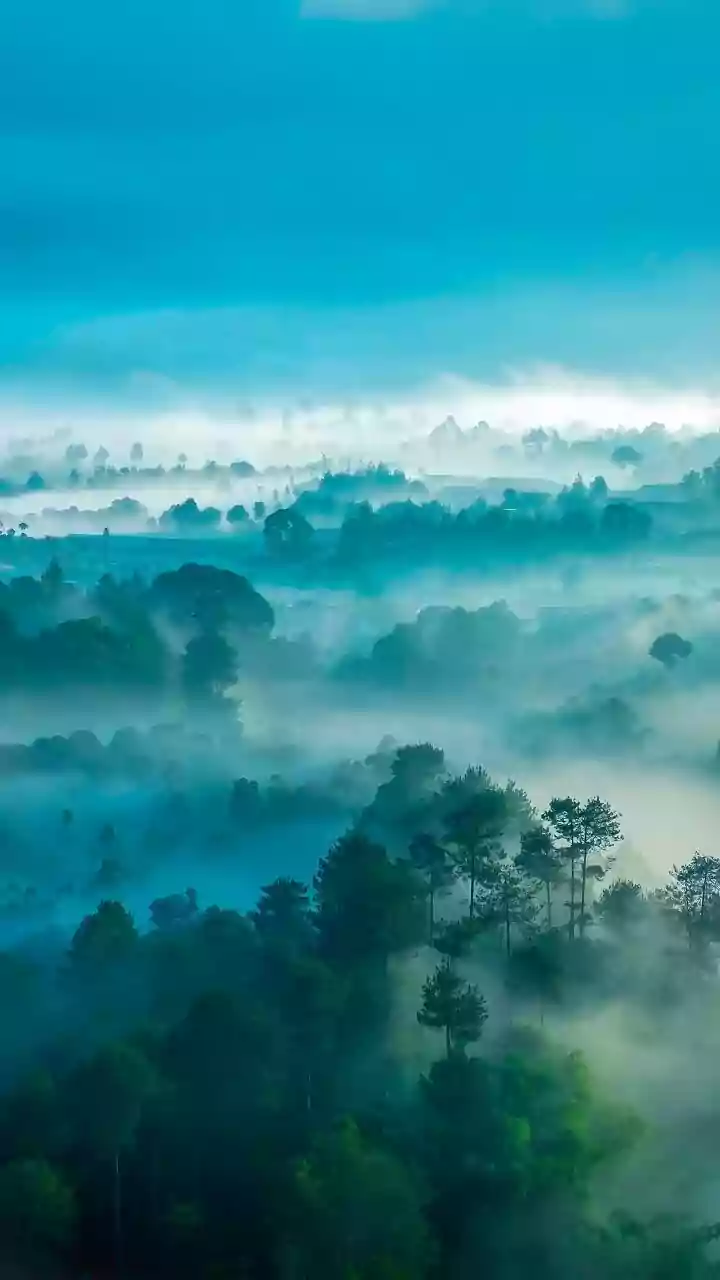
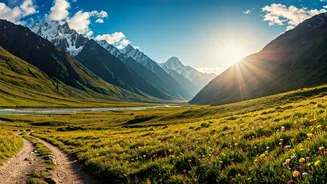
Himalayan National Park, a UNESCO World Heritage Site. This isn't a place of sprawling resorts or glitzy attractions. Instead, its charm lies in what it lacks: the noise, the commercialism, and the frantic pace of modern life. The air is crisp, the landscape is dominated by lush pine forests and snow-dusted peaks, and the soundtrack is composed of birdsong and the rushing river. For American travelers accustomed to navigating packed national parks or crowded European cities in the summer, Tirthan offers a profound and welcome silence.
Embracing the Ethos of Slow Travel
The primary appeal of Tirthan is its commitment to slow, sustainable travel. The valley has deliberately resisted the kind of development that has overrun other mountain towns. You won’t find big hotel chains here. Instead, the local economy is built around a network of family-run homestays and small, eco-conscious guesthouses. This model fosters a genuine connection between visitors and the local community. Your host is likely to be your guide for a village walk, and the food you eat is often grown in the garden just outside your window. It’s a travel style that asks you to slow down, disconnect from your devices (though Wi-Fi is often available, the real draw is to unplug), and immerse yourself in the rhythm of the valley. It’s an antidote to the checklist-driven vacation, prioritizing experience over sightseeing.
A Playground for Nature Lovers
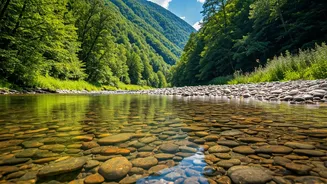
While relaxation is a primary activity, Tirthan is far from boring. The valley is a paradise for outdoor enthusiasts. The Tirthan River is famous for its trout, making angling (with a permit) a popular and meditative pastime. The surrounding hills are laced with walking trails that lead to hidden waterfalls, serene meadows, and tiny, ancient villages like Gushaini, Nagini, and Banjar. For more serious adventurers, the valley is a base for multi-day treks into the Great Himalayan National Park, a biodiversity hotspot home to rare species like the snow leopard and Himalayan blue sheep. Birdwatching is also exceptional, with hundreds of species recorded in the area. Whether you want a gentle riverside stroll or a challenging high-altitude trek, the valley provides.
Planning Your Himalayan Escape
Getting to a place this remote requires a bit of planning. The most common route for international travelers is to fly into a major Indian city like Delhi, then take a short domestic flight to Bhuntar Airport (Kullu). From there, Tirthan Valley is a scenic, albeit winding, 2-to-3-hour drive. The best time for a summer escape is from March to June, when the weather is pleasant, the snow has melted from lower altitudes, and the landscape is in full bloom. Pack layers, as mountain weather is unpredictable. Sturdy walking shoes are essential, as is insect repellent and sunscreen. Most importantly, bring an open mind and a willingness to embrace a simpler, quieter way of being. Cash is also king in the valley’s smaller villages, so be sure to withdraw funds in a larger town beforehand.