




The Great Wall of Paperwork
For decades, the ultimate travel goal for many aspiring Indian tourists involved a trip to the United States or a multi-country tour of Europe. These were the destinations of blockbuster movies and bucket-list dreams. But in the post-pandemic world, that
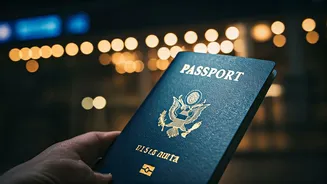
dream is colliding with a bureaucratic nightmare. The U.S. and many Schengen Area countries are facing unprecedented backlogs for visitor visa appointments. In major Indian cities like Chennai, wait times have often stretched from several months to, at their peak, over two years. This isn't just an inconvenience; it's a dealbreaker. The long, uncertain wait kills the very spirit of travel—the excitement, the planning, and the ability to be spontaneous. You can’t book a flight for a summer vacation when your visa interview is scheduled for next winter. This enormous procedural hurdle has forced a massive recalculation for India’s burgeoning class of international travelers, who are armed with disposable income and a pent-up desire to see the world. They are ready to spend, but they are no longer willing to wait.
The Path of Least Resistance
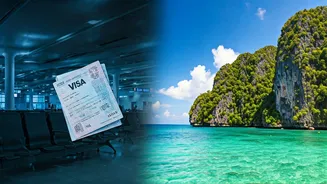
So, where are Chennai’s flyers going instead? They’re following the path of least resistance, which leads directly to Southeast Asia and the Middle East. Countries like Thailand, Vietnam, Malaysia, Indonesia, Sri Lanka, and the United Arab Emirates have rolled out the welcome mat. They offer what the West currently cannot: speed and certainty. With options like visa-on-arrival, simple e-visas processed in days, or completely visa-free entry for Indian passport holders, these nations have become the new go-to destinations. A trip to Bangkok or Kuala Lumpur can be booked on a whim. A beach holiday in Bali or a city break in Dubai requires minimal administrative fuss. For travelers from Chennai, these destinations also offer the bonus of being a relatively short flight away. Travel agencies report a seismic shift in bookings, with demand for packages to Europe and the U.S. being replaced by a surge of interest in destinations closer to home. It’s a pragmatic choice that prioritizes the experience itself over the prestige of a particular stamp in a passport.
A New Blueprint for Travel
This trend is about more than just avoiding a queue. It signals a fundamental change in traveler priorities. The new travel blueprint values ease and accessibility over long-held aspirations. Why spend a year in visa limbo for a two-week trip to Paris when you can spend a week exploring the temples of Vietnam, booked just last month? This mindset shift puts the power back in the hands of the traveler. It champions spontaneity and rejects the idea that a vacation should begin with a year of stressful uncertainty. This is especially true for younger travelers and families who want flexibility. The rise of the ‘near-cation’—choosing high-quality destinations that are geographically and bureaucratically closer—is a logical response to a world of logistical friction. For an American observer, it’s like choosing a trip to Cancun over a complicated journey that requires months of advance paperwork. The destination becomes secondary to the quality and ease of the experience.
What This Means for Global Tourism
The trend originating in Chennai is a microcosm of a larger global phenomenon with significant economic consequences. Tourist dollars are being rerouted in real time. The billions that would have been spent on hotel rooms in New York, souvenirs in London, or restaurants in Rome are now flowing to Phuket, Dubai, and Ho Chi Minh City. Western countries are, in effect, losing out on a massive and fast-growing tourism market due to their own administrative bottlenecks. This shift serves as a powerful case study for the tourism industry worldwide. It proves that in today's market, accessibility is a key product feature. The countries that make it easy for people to visit are the ones that will win the tourism race. While the allure of iconic Western landmarks remains, it is no longer enough to overcome the frustration of a system that seems designed to keep people out. The message from flyers in Chennai is clear: if you want our business, make it easy for us to come.