


Start With a Strategic Canvas
The battle against humidity begins before you even touch your foundation. Your skincare prep is the first line of defense. On days with high atmospheric moisture, swap out any heavy, oil-based creams for a lightweight, oil-free, or gel-based moisturizer.
This creates a hydrated but non-greasy base, preventing your makeup from having a slippery foundation to sit on. Next, and this is non-negotiable, use a primer. Look for formulas specifically designed to be mattifying or pore-minimizing. A silicone-based primer can create a powerful barrier between your skin’s oils and your makeup, effectively filling in fine lines and creating a smooth, grippable surface for everything that comes next. Think of it as creating a waterproof seal before you even start painting.
Choose Your Base Wisely
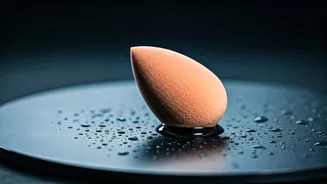
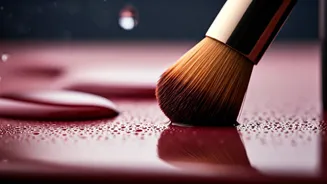
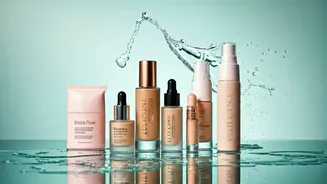
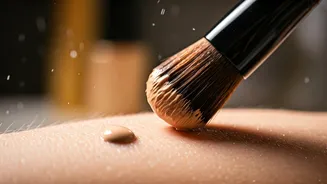
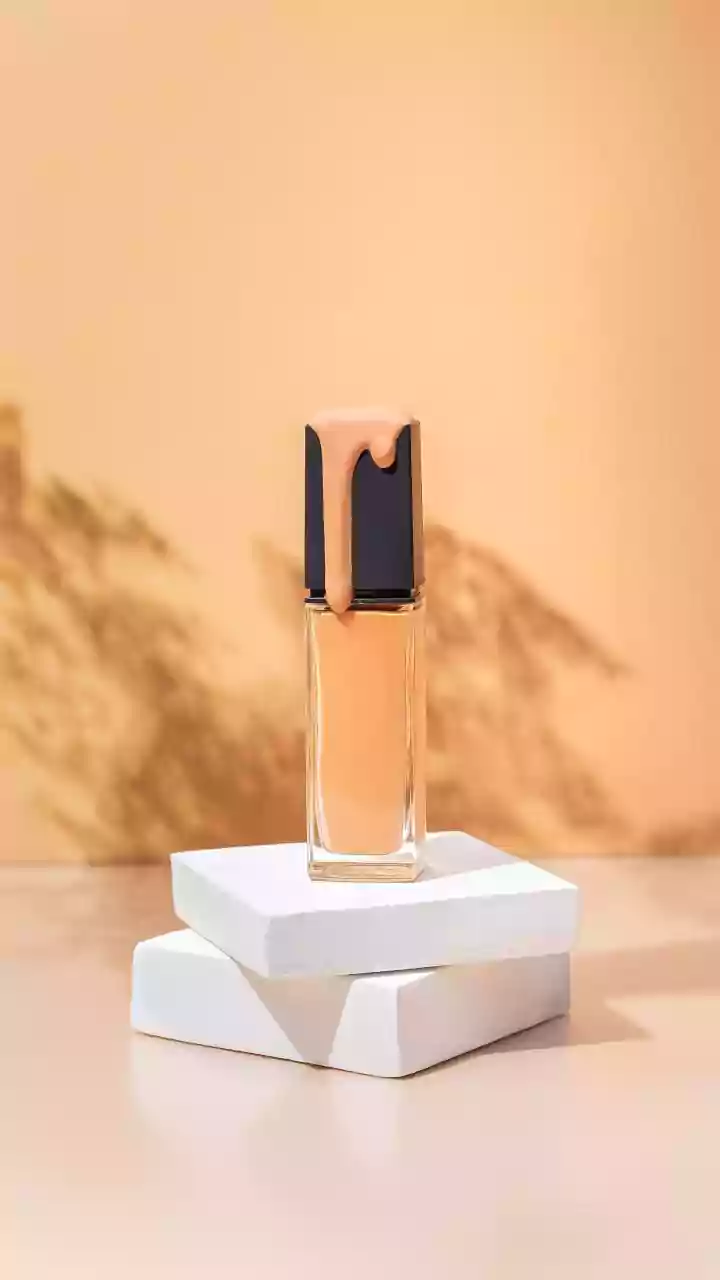
When humidity is high, less is always more. This is not the time for thick, heavy layers of foundation. Opt for a long-wear, water-resistant, or sweat-proof formula. These products are engineered with ingredients that adhere to the skin and resist breaking down from moisture and oils. The application technique is just as important as the product itself. Instead of painting on a thick coat, apply thin, sheer layers. Use a damp beauty sponge or a stippling brush to press and tap the product into the skin. This method builds coverage gradually without creating a cakey mask that's prone to sliding and creasing. For blemishes or dark circles, use a high-coverage, long-wear concealer just where you need it, rather than applying a heavy foundation all over.
The Power of Powder
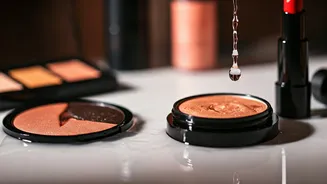
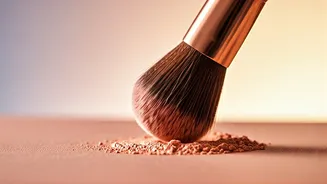
Powder is your best friend in humid conditions, but it must be used with precision. The goal is to set, not to cover. A finely milled, translucent setting powder is your most versatile tool. After applying your foundation and concealer, use a fluffy powder puff or a small brush to press the powder into the areas that tend to get oily or crease first—typically the T-zone, under the eyes, and around the nose. This technique, sometimes called 'baking' when done more intensely, locks in the cream products underneath and creates a matte, oil-absorbing shield. Avoid dusting a heavy layer of powder all over your face, which can look chalky and dry. Strategic application is the key to a modern, humidity-proof finish.
The Pro-Level Layering Trick
Here is a technique straight from professional makeup artists’ kits: locking in your makeup in stages. Instead of waiting until the very end to use a setting spray, try applying a light mist between your makeup layers. After you’ve applied your base and powder, spritz a light layer of setting spray over your face, let it dry completely, and then proceed with your bronzer, blush, and highlighter. This 'sandwich' technique helps to meld the powder and cream layers together, creating a more cohesive, durable, and skin-like finish. It essentially reinforces each step, making the entire application more resistant to environmental stressors like heat and humidity. Just be sure to use a true 'setting' spray for this, not a 'finishing' spray, which is designed for the final step only.
Master the Final Seal
The final spritz of setting spray is the most critical step for locking everything in place. This is where you want a high-performance product. Look for sprays with claims like 'long-lasting,' '16-hour wear,' or 'climate control.' These formulas often contain polymers that form a flexible, invisible film over your makeup, acting as a final barrier against sweat, humidity, and friction. To apply, hold the bottle about 8-10 inches from your face and mist in an 'X' and 'T' motion to ensure even coverage. Don't drench your face; a fine, even mist is all you need. Let it air dry without touching it. This final seal is what will give you the confidence that your makeup will stay put from morning to night, no matter what the weather forecast says.