



The Undisputed King
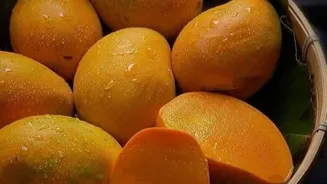
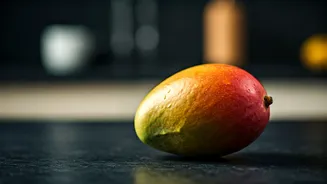
Let’s be clear: in the pantheon of Indian fruits, the mango is Zeus. Known as the 'King of Fruits,' its arrival is heralded with an almost religious fervor. From April to July, markets overflow with hundreds of varieties, each with its own loyal following.
The mango isn't just a food; it's a cultural icon, a vessel for childhood memories of sticky fingers and juice-stained clothes. It appears in poetry, literature, and religious ceremonies. For most of India’s 1.4 billion people, summer is synonymous with the sweet, intoxicating aroma of a ripe mango. So if the mango is already king, what's the debate about? The real battle isn't for the crown itself, but for the throne.
The War of a Thousand Mangoes
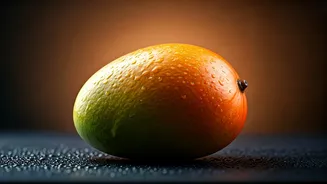
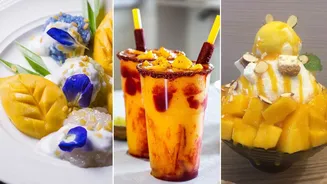
The true debate is a civil war within the mango kingdom. It’s a fierce battle of regional pride, where your favorite mango variety says as much about you as your hometown. In the west, particularly in Maharashtra and Gujarat, the Alphonso (or 'Hapus') reigns supreme. It’s the celebrity mango—expensive, perfectly shaped, with a firm, fiberless saffron flesh and a complex, honeyed sweetness. Its proponents see it as the pinnacle of mango evolution. But head north, and you’ll be told the Dasheri from Uttar Pradesh, with its intensely sweet perfume and longer shape, is the true connoisseur's choice. In the east, they champion the Langra, a slightly greenish mango with a unique, fibrous tang that cuts through the sweetness. And the Kesar from Gujarat, known as the 'Queen of Mangoes,' is prized for its vibrant orange pulp and incredible aroma, making it a favorite for juices and desserts. This isn't just a matter of taste; it’s an identity. Families willFedEx boxes of their preferred regional mango to relatives across the country, a delicious declaration of allegiance.
The Upstart Challengers
While mangoes dominate the conversation, they don’t have a complete monopoly on summer affection. Several worthy challengers vie for attention, offering a refreshing counterpoint to the mango’s rich sweetness. The lychee (or litchi) is a prime contender. Hailing from the eastern states of Bihar and West Bengal, these small, red-skinned jewels offer a burst of translucent, floral-scented pulp. They are delicate, ephemeral, and represent a different kind of summer luxury. Then there's the jackfruit, a behemoth that looks like an alien pod but holds hundreds of golden-yellow bulbs of sweet, chewy flesh with a flavor profile often described as a mix of banana, pineapple, and bubblegum. It's a polarizing fruit—you either love it or you don't—but its fans are devoted. And we can't forget the jamun (Indian blackberry), a small, deep purple fruit that stains your tongue and offers a delightful sweet-sour-astringent punch, a perfect foil for the summer heat.
More Than Just a Snack
So why does this debate get so heated? Because in India, fruit is never just fruit. It’s a powerful link to place, family, and memory. The taste of a specific mango can transport someone back to their grandmother's garden. The arrival of lychees marks the official start of school summer vacation. These arguments are a way of celebrating regional identity in a country of immense diversity. It’s a delicious, low-stakes proxy war for cultural pride. It’s similar to how an American might defend their state’s barbecue style—Texas brisket versus Carolina pulled pork—but the arguments are sweeter, stickier, and conducted over plates of freshly sliced fruit.