
A Century-Old Standoff
To understand why this merger feels so fresh, you have to appreciate the old divide. Think back to the early 20th century. On one side, you had movements like the Bauhaus in Germany, which championed industrial production, clean lines, and machine-made
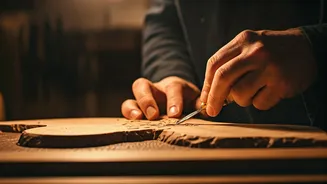
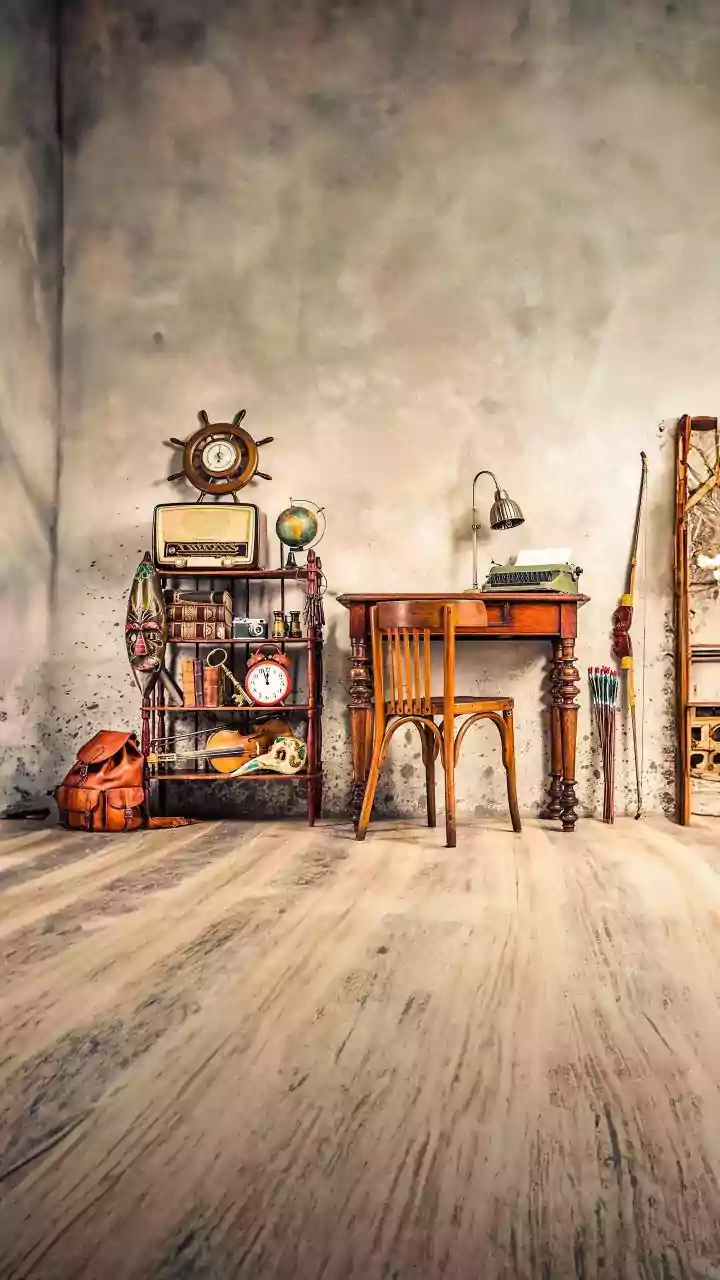
perfection. For these modernists, form followed function, and ornament was a crime. The goal was to create beautiful, accessible objects for the masses, stripping away anything that felt purely decorative or sentimental. On the other side was the legacy of the Arts and Crafts movement. This was a direct reaction against the Industrial Revolution, celebrating the skill of the individual artisan, the beauty of natural materials, and the value of a unique, handmade object. It was all about the story, the texture, and the 'hand' of the maker being visible in the final piece. For a long time, you had to choose a side: were you a minimalist who revered the factory, or a traditionalist who revered the workshop?
The New Warm Modernism
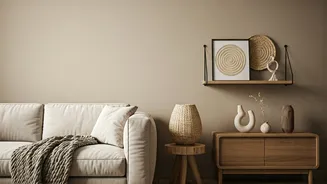
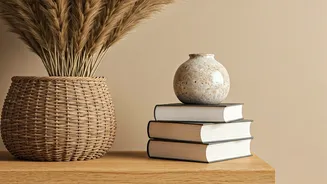
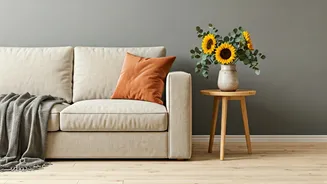
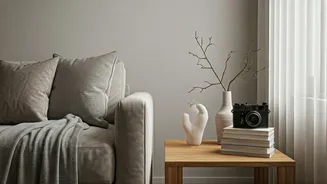
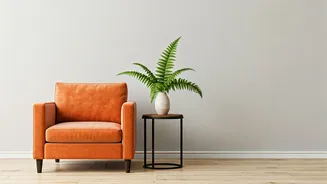
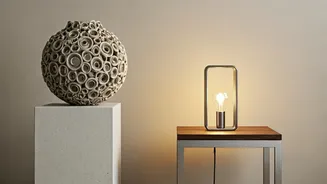
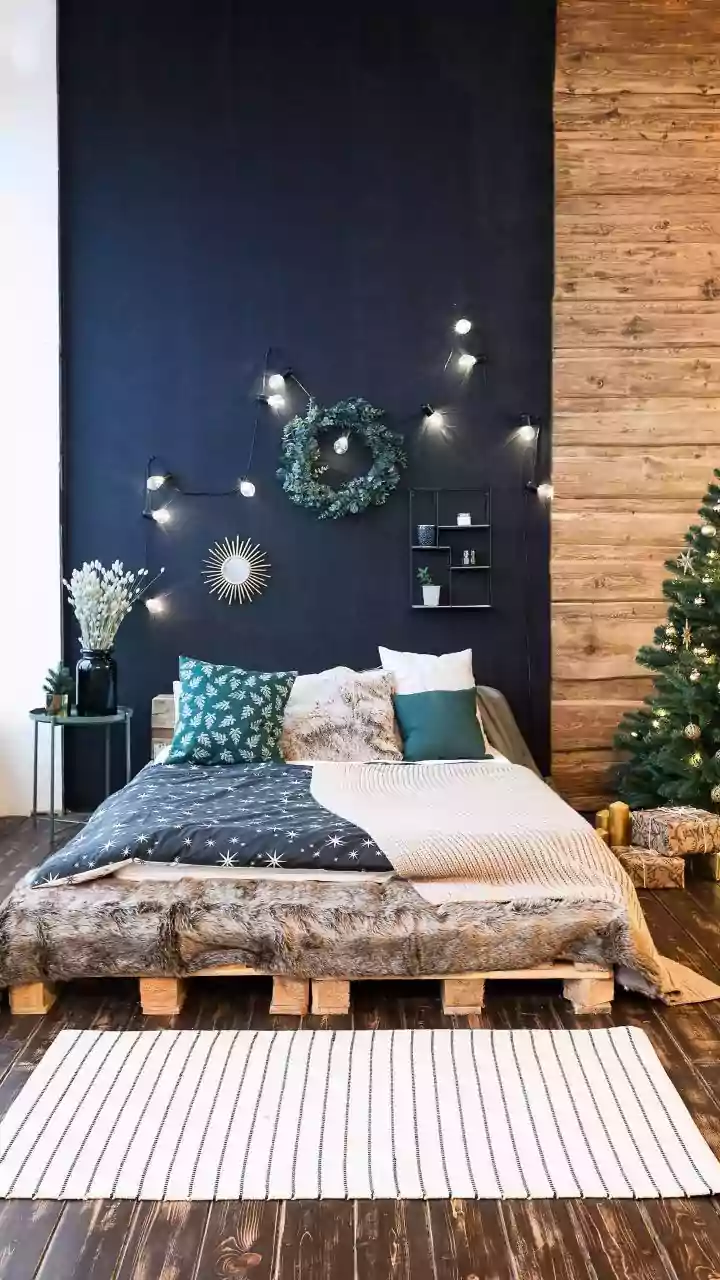
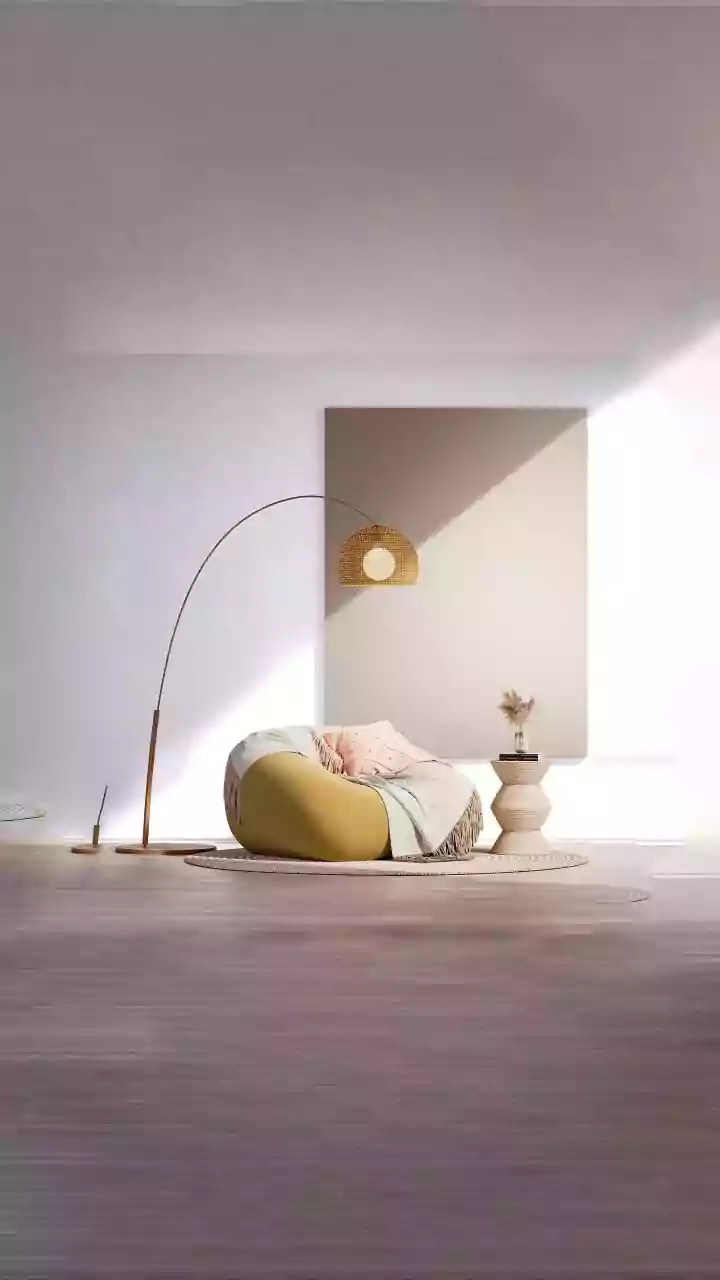
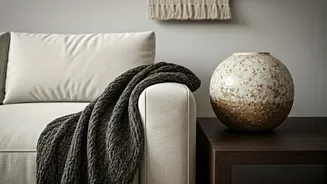
Today, that choice feels obsolete. The most compelling interiors are blending these two philosophies into something new—a kind of 'warm modernism' or 'modern craft.' It’s the visual equivalent of putting a hand-knitted wool throw over a streamlined leather sofa. This new aesthetic pairs the clean, uncluttered layouts of modern design with the texture, soul, and imperfection of artisanal objects. Think of a minimalist kitchen with stark white countertops, but with a row of unique, hand-thrown ceramic mugs hanging above the espresso machine. Or a sleek, low-profile bed frame made of smooth oak, flanked by a rustic, hand-carved wooden stool. It’s not about clutter; it’s about curation. The style often borrows from principles found in Japanese design, particularly 'wabi-sabi'—the art of finding beauty in imperfection—and the Scandinavian love for natural materials, a fusion sometimes called 'Japandi.'
A Search for Authenticity
So why is this happening now? In a word: soul. After years of staring at sleek, impersonal screens and living in a world of mass-produced everything, we’re craving authenticity. A perfectly smooth, factory-made bowl is functional, but a slightly irregular, handmade one tells a story. You can feel the maker's presence in it. This trend accelerated during the pandemic, when our homes became our entire world. We started looking around and wanting our spaces to feel less like showrooms and more like sanctuaries—personal, comforting, and human. There's also a growing desire for sustainability. Choosing a well-made object from a local artisan often feels more responsible than ordering a disposable item from a faceless global supply chain. It connects us to our community and to the materials themselves. This isn't a rejection of modernity, but an enhancement of it. We still want our Wi-Fi and our minimalist architecture, but we also want to feel grounded.
Bringing the Human Touch Home
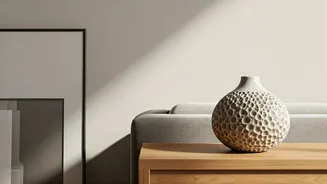
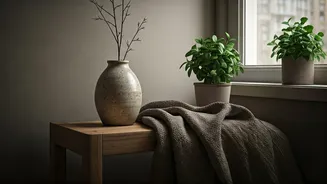
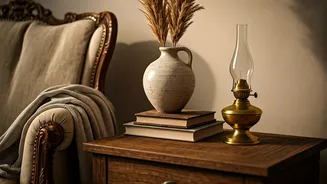
Embracing this look doesn't require a gut renovation. It's about a shift in mindset—prioritizing pieces with personality. Start small. Instead of a generic vase from a big-box store, look for a ceramicist at a local market or online. Swap out a generic piece of wall art for a woven textile hanging. Look for wood with a visible grain, plaster with a subtle texture, or linen that gets softer with every wash. The key is to create contrast and balance. Let the unique, crafted object be the hero in a clean, modern setting. That lumpy, beloved mug you bought on vacation doesn’t look messy on your streamlined quartz countertop; it looks intentional. It’s a focal point, a conversation starter, and a small, daily reminder of the human touch in an increasingly digital world.