





Beyond the Perfect Postcard
For decades, the primary currency of a beach vacation was escapism. The goal was to disconnect from the world in a place so beautiful it felt unreal. The Andaman and Nicobar Islands, a remote Indian archipelago in the Bay of Bengal, certainly deliver
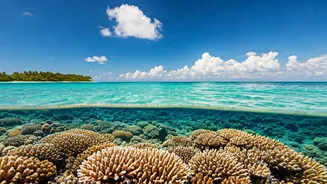
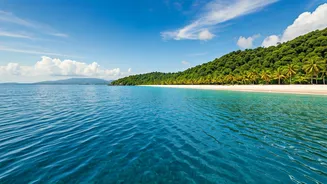
on that front. With their world-class beaches like Radhanagar, lush rainforests, and vibrant coral reefs, they are the stuff of screen savers. Yet, a growing number of visitors are arriving with a new appetite—one that craves context over mere consumption. They’re asking: What happened here? Who lives here? What makes this place unique beyond its beauty? This shift reflects a broader trend in travel, where the pursuit of a deeper connection—to history, culture, and ecology—is becoming the new luxury. An empty beach is wonderful, but a beach with a story is unforgettable.
The Dark History of a Tropical Paradise
One of the most powerful stories the Andamans tell is etched into the walls of the Cellular Jail in the capital, Port Blair. Known during the British Raj as “Kala Pani” or “Black Water”—a term signifying a point of no return—this colonial prison was where Indian independence activists were exiled and subjected to brutal torture and isolation. Standing inside the solitary confinement cells, you feel the jarring contrast between the island’s breathtaking beauty and its history as a place of profound suffering. A visit here re-frames the entire landscape. Suddenly, the gentle sea breeze carries echoes of resilience, and the idyllic scenery is layered with the gravity of a nation’s fight for freedom. It transforms a simple island tour into a pilgrimage, offering a narrative that no five-star resort can replicate.
A Living, Breathing Ecosystem
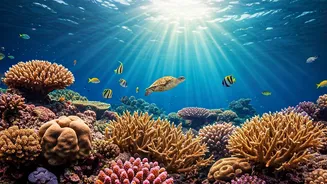
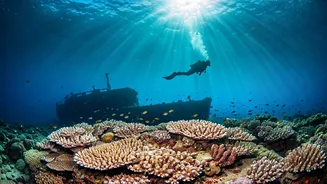
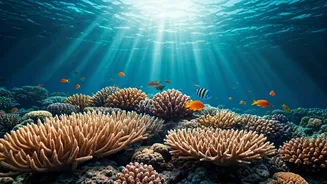
The natural environment of the Andamans tells another compelling story—one of fragility and immense ecological importance. It’s easy to snorkel and be dazzled by the clownfish darting through anemones, but the real story is in the reef’s struggle for survival against climate change and coral bleaching. It’s in the dense mangrove forests that act as the islands’ natural shield against storms, their tangled roots a critical nursery for marine life. Engaging with this narrative means seeking out experiences that go beyond a quick dip. It might involve a guided kayak tour through the mangroves with a local naturalist who can explain their role, or visiting a research center dedicated to marine conservation. This approach changes the traveler from a passive observer into an informed witness, appreciating not just the beauty of the ecosystem but its intricate workings and the urgent need for its protection.
Culture, Community, and Careful Curiosity
The human story of the Andamans is perhaps its most complex. The islands are home to some of the world’s last uncontacted and voluntarily isolated indigenous peoples, including the Sentinelese and the Jarawa. For responsible travelers, the “story” here is not about seeking them out—a dangerous and unethical practice often called a “human safari.” Instead, it is about understanding the profound importance of their isolation and supporting the policies that protect their sovereignty and way of life. The more accessible narrative lies with the islands’ other inhabitants: a multicultural mix of settlers from mainland India—Bengalis, Tamils, and others—who have forged a unique island culture over generations. Engaging with their story means choosing local guesthouses over international chains, eating at family-run eateries, and learning about the rhythms of a life dictated by the monsoon and the sea. It’s a quieter story, but one that’s just as vital to understanding the soul of the islands.