





The Summer Rain Dilemma
In many parts of the U.S., summer doesn’t just mean heat; it means a season of dramatic, drenching rain. From the afternoon thunderstorms of Florida and the Gulf Coast to the official “monsoon season” in the Southwest, this weather pattern can be brutal
for container plants. Soil becomes waterlogged, delicate stems snap in the wind and rain, and fungal diseases run rampant. Many popular annuals simply can't cope with the cycle of being scorched by the sun and then drowned by a deluge. This is where choosing the right plant isn’t just a matter of aesthetics—it’s a matter of survival. You need a flower that is not only beautiful but also exceptionally resilient.
Why Marigolds Thrive in the Chaos
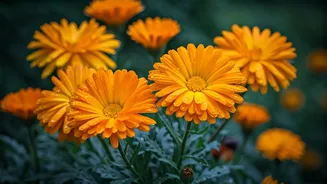
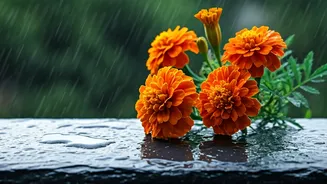
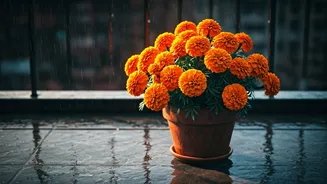
Marigolds are more than just a pretty face; they are horticultural workhorses. Their legendary hardiness makes them uniquely suited for the challenges of a rainy-season balcony. First, their sturdy, branching stems are less prone to snapping under the weight of heavy raindrops or in strong gusts of wind that often accompany summer storms. Second, they are sun-worshippers. They thrive in the six-plus hours of direct sunlight that helps the soil in their containers dry out quickly between rainfalls, a crucial defense against root rot. Furthermore, marigolds contain natural compounds (pyrethrins) that deter many common garden pests, from nematodes in the soil to mosquitoes in the air. This built-in pest control is especially valuable in the humid, buggy conditions of a wet summer, reducing the need for chemical sprays.
Choosing the Right Container
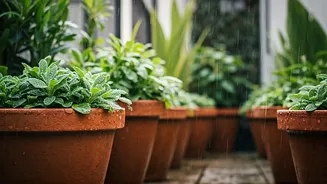
Success begins with the pot. When dealing with heavy rain, drainage is non-negotiable. Any container you choose must have multiple, generously sized drainage holes at the bottom. If your favorite decorative pot lacks holes, you have two options: drill them yourself or use it as a cachepot (a decorative outer pot) by placing a smaller plastic pot with drainage inside it. Terracotta pots are an excellent choice because the porous clay helps the soil breathe and dry out more evenly. However, they also dry out faster in the sun, so you may need to monitor them on dry days. Plastic or glazed ceramic pots retain moisture longer, which can be a risk during a rainy spell but a benefit during a dry one. For marigolds, a pot that is 8-12 inches in diameter provides ample room for a healthy root system.
The Perfect Potting Mix
You cannot use garden soil in a container, especially not in a wet climate. It’s too dense, compacts easily, and holds far too much water. Instead, invest in a high-quality potting mix designed for containers. These mixes are lightweight and formulated for excellent drainage. To give your marigolds an even better chance of surviving the deluge, you can create your own super-draining mix. Start with a standard potting mix and amend it by adding one part perlite or coarse builder's sand for every three parts of the mix. Perlite is the small, white, lightweight volcanic glass that looks like tiny bits of Styrofoam. It does a fantastic job of creating air pockets in the soil, allowing excess water to drain away freely and preventing the roots from suffocating.
Care During the Downpours
Once your marigolds are planted, the care routine is fairly simple. The golden rule during a rainy season is to never water without checking the soil first. Stick your finger about two inches deep into the pot. If it feels moist, leave it alone. The rain is doing the watering for you. Overwatering is the single fastest way to kill container plants in this environment. After a heavy storm, it’s a good idea to gently tip the pots to help any excess water drain away. Finally, practice 'deadheading'—pinching or snipping off the spent, wilted flowers. This not only keeps the plant looking tidy but, more importantly, encourages it to redirect its energy into producing more blooms, ensuring your balcony remains a riot of orange and yellow all season long.