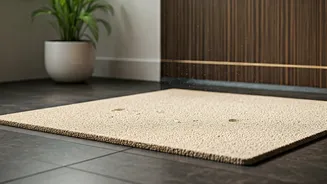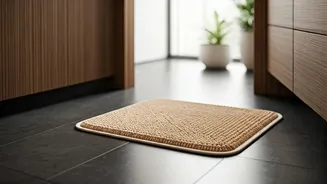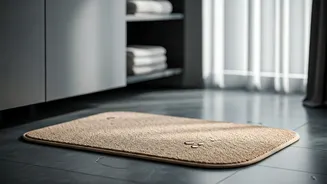






What Exactly Is a ‘Stone’ Mat?
Despite its stone-like appearance and rigid feel, a diatomaceous earth mat isn’t carved from a quarry. It’s a composite material made from diatomaceous earth (DE), a naturally occurring, crumbly substance derived from the fossilized remains of tiny aquatic
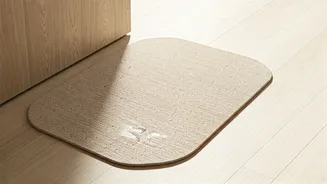
organisms called diatoms. These microscopic fossils are rich in silica and have an incredibly porous structure. To create a mat, this DE powder is mixed with a small amount of binder (like wood pulp or cement) and then pressed and baked into a hard, flat slab. The result is a product that feels like a piece of unglazed ceramic—lightweight yet solid, with a slightly chalky, textured surface.
The Science of Instant Absorption
The magic of a diatomaceous earth mat lies in its physical structure. Under a microscope, DE is a vast network of tiny, hollow cylinders covered in pores. This gives it a massive surface area. When water from your wet shoes or dripping umbrella hits the mat, it’s not just sitting on top; it’s being rapidly pulled into this network of millions of microscopic pores through capillary action. The water spreads out across the huge internal surface area, allowing it to evaporate far more quickly than it would on a non-porous surface or a saturated fabric mat. This process is purely physical, not chemical, which is why the mat works over and over again without needing to be wrung out.
The Upside: A Sleek and Drier Entryway
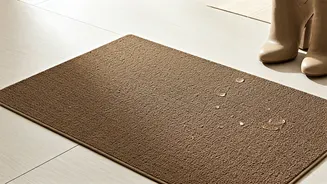
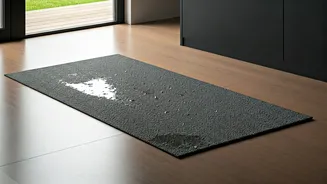
The primary benefit, as seen in countless viral videos, is its astonishing ability to handle water. Step out of the shower or come inside from the rain, and the puddles under your feet disappear in under a minute, leaving a dry surface. This fast-drying quality has a secondary benefit: it helps prevent the growth of mold and mildew that often plagues traditional fabric bath or entryway mats. There’s no damp, musty smell. Aesthetically, their minimalist, neutral look appeals to modern design sensibilities, blending in more seamlessly than a shaggy rug. They’re also firm and stay put, eliminating the trip hazard of a bunched-up carpet mat.
The Reality Check: Not a Magic Bullet for Mud
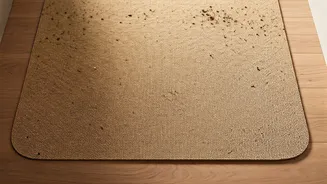
Here's the crucial fine print the videos often omit. While these mats are champions at absorbing clean water, they are not ideal for heavy dirt, grease, or mud. The same porous structure that soaks up water will also soak up pigments and oils, leading to stubborn stains. If you drag in a chunk of mud, it won't magically disappear; it will smear on the surface and potentially stain it permanently. Furthermore, the mats are rigid and brittle. Dropping one or placing it on an uneven floor can cause it to crack. They also aren't soft or cozy underfoot, which can be a dealbreaker for those who want a plush landing spot. They are a tool for managing water, not a complete replacement for a heavy-duty scraper mat for dirt and debris.
Keeping Your Stone Mat in Top Shape
Proper care is essential for maintaining your mat’s absorbency. For light scuffs or minor stains, a small piece of fine-grit sandpaper (often included with the mat) is all you need. A gentle sanding will remove the top layer and expose fresh, absorbent diatomaceous earth below. For more significant liquid spills like soap or oil, which can clog the pores, cleaning is more difficult. You should avoid using detergents, which will cause permanent damage to the mat's absorbency. To maximize its lifespan, place it on a perfectly flat surface and handle it with care. If its drying power seems to diminish over time, propping it up in a well-ventilated area for a few hours can help fully evaporate any deep-seated moisture.