





Beyond the Doggy Bag
When we think of waste in restaurants, we often picture scraped-off leftovers. But the real waste happens long before the food reaches your plate. It’s in the vegetable peels, the herb stems, the animal bones, and the less-than-perfect produce that kitchens
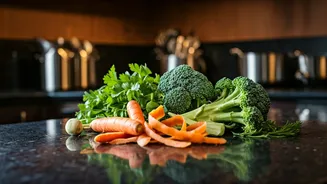
historically discard. The “waste-free” or “low-waste” dining movement tackles this head-on. It’s a comprehensive philosophy that pushes chefs to find a purpose for every single part of an ingredient. In this model, carrot tops aren’t trash; they’re the base for a zesty pesto or green chutney. The tough outer leaves of a cabbage are fermented into kimchi or used to enrich a savory broth. It’s a creative challenge that transforms potential garbage into a flavorful component of another dish. This isn’t about being cheap; it’s about being resourceful and respecting the ingredient in its entirety. For a growing number of Indian restaurants in America, this ethos isn’t just a trendy add-on—it’s a return to form.
A Modern Twist on Ancient Wisdom
The idea of using every last scrap is hardly new, especially in Indian households where frugality and resourcefulness are deeply ingrained cultural values. For generations, home cooks have been masters of repurposing. Leftover dal from dinner might be mixed with flour to create savory parathas for breakfast. Water from washing rice or vegetables is used to nourish garden plants. This mindset, born from a combination of necessity and respect for food, is the bedrock of traditional Indian cuisine. Today’s pioneering chefs are tapping into this heritage and giving it a modern, professional spin. They are applying classical culinary techniques to traditional wisdom. New York-based chef Chintan Pandya, a James Beard Award winner, has become a prominent voice in this movement. His restaurants, like Dhamaka and Semma, celebrate “unapologetic” Indian food, which includes embracing ingredients and techniques that honor the whole product. This isn't just about reducing a restaurant’s carbon footprint; it's about delivering a more authentic, flavorful, and thoughtful experience that tells a story of cultural respect.
The Philosophy on the Plate
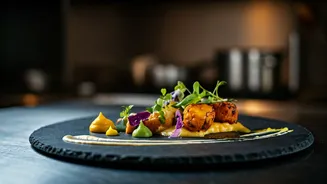
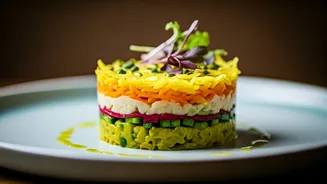
So what does this look like on the menu? It’s subtle, integrated, and always delicious. The pickling liquid from a jar of beets might become the acidic base for a vibrant new sauce. Trimmings from fish might be simmered into a deeply flavored stock that becomes the soul of a curry. Even something as simple as leftover rice can be transformed into crispy, fried snacks seasoned with spices. This approach fundamentally changes how a menu is created. Instead of a static list of dishes, the offerings can become more dynamic, shifting based on what ingredients are on hand and what byproducts are available from the previous day's prep. It forces a level of creativity that results in unique, one-of-a-kind flavors that you won’t find anywhere else. Diners get a taste of true culinary ingenuity, where every component on the plate has a purpose and a story.
Designed for Sharing
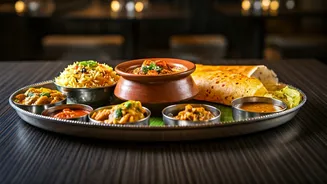
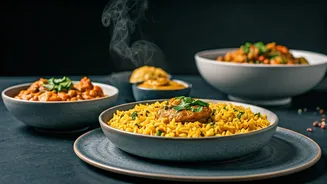
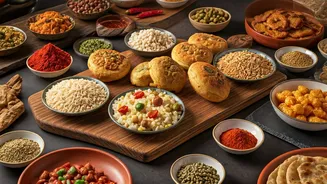
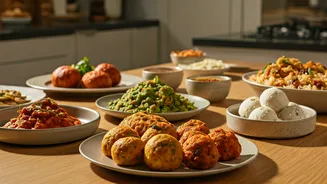
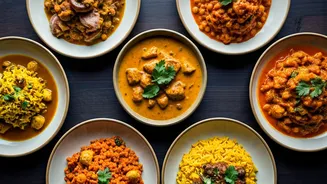
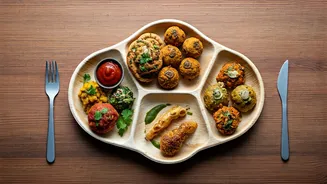
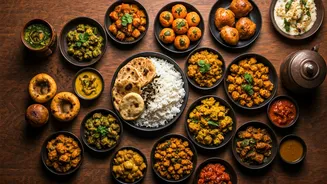
This sustainable ethos pairs perfectly with another major trend in modern dining: the shareable plate. The communal nature of eating is central to Indian culture, and menus built around small, shareable plates encourage this spirit. Instead of one person ordering one large entrée, a table can order a dozen different items, from grilled kebabs and vegetable fritters to various curries and breads. This format is inherently less wasteful. Diners can sample a wide variety without committing to a massive portion they might not finish. It allows everyone to take exactly what they want, minimizing plate waste. More importantly, it fosters a dynamic, interactive dining experience. Sharing dishes becomes a conversation, a collective exploration of flavors that brings people together—much like the family-style meals that inspired many of the recipes in the first place.