
Beyond the Cream and Curry Stereotype
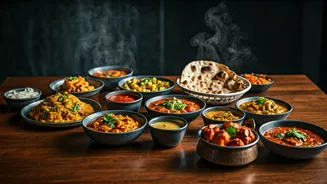
Ask an American to name an Indian dish, and chances are high they’ll say chicken tikka masala, saag paneer, or lamb vindaloo, all mopped up with a piece of garlic naan. This is the food of the classic “curry house”—a style largely derived from North Indian,
specifically Punjabi, cuisine and heavily adapted for Western palates in the United Kingdom before migrating to the U.S. It’s delicious, deeply satisfying, and often, very heavy. Rich with cream, butter (ghee), and nuts, this version of Indian food became a monolithic stand-in for the cuisine of an entire subcontinent. While beloved, this narrow definition has done a disservice to the staggering diversity of Indian cooking. It created a perception of a cuisine that was primarily for special occasions—a gut-busting indulgence rather than something you might eat every day. But that perception is finally, and thankfully, being dismantled.
The Regional Renaissance
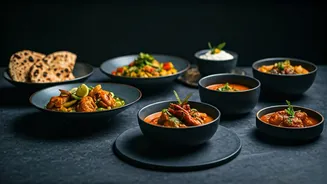
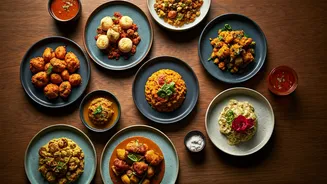
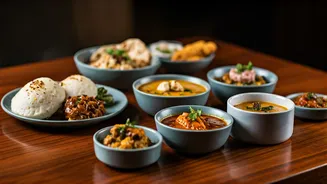
The new movement in Indian food is less an invention and more of a rediscovery. A new wave of chefs, both in India and across the diaspora, are championing the country’s vast and varied regional cuisines. They are proving that Indian food is not one thing, but thousands of things. From the coastal seafood preparations of Goa and Kerala, vibrant with coconut and tamarind, to the fiery, rustic dishes of rural Maharashtra, to the delicately spiced vegetarian fare of Gujarat, a more complete picture is emerging. Restaurants like New York City’s Dhamaka and Semma, led by chef Chintan Pandya, have become standard-bearers for this shift. Instead of a greatest-hits menu, they offer hyper-specific dishes from regions most Americans have never explored on a plate. Semma, for instance, focuses on the food of Tamil Nadu in India’s south, earning a Michelin star for its nuanced, rustic flavors that rely on freshness and spice complexity over heavy creams.
A Focus on Ingredients and Technique
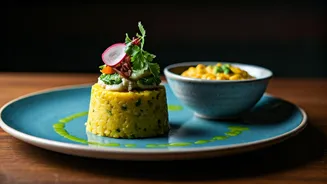
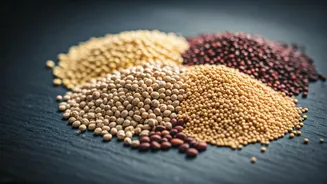
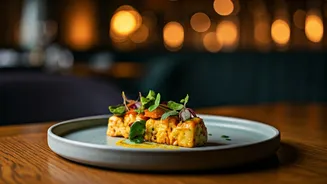
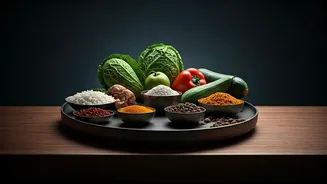
So what does “balance” actually mean in this context? It’s about letting the primary ingredients shine, not masking them. It’s a culinary philosophy that prioritizes the equilibrium between the six fundamental tastes of Ayurvedic tradition: sweet, sour, salty, pungent, bitter, and astringent. Modern chefs are achieving this not with heavy dairy, but with souring agents like kokum (a dried fruit), tamarind, and yogurt; fresh herbs like cilantro and mint; and the complex, layered application of spices that are toasted and ground in-house. This ingredient-first approach also means a deeper connection to seasonality, a concept central to traditional Indian home cooking but often lost in restaurant settings. These chefs are behaving more like their counterparts in farm-to-table Italian or Californian kitchens, sourcing high-quality produce and protein and allowing that to dictate the menu. The result is a cuisine that feels lighter, brighter, and more dynamic.
What Balance Tastes Like
This new balance is something you can taste immediately. It’s the clean, sharp heat of a freshly ground peppercorn in a Keralan fish curry, not just the dull burn of chili powder. It’s the refreshing tang from a squeeze of lime or a spoonful of yogurt that cuts through the richness of a grilled piece of meat. It’s the earthy depth of lentils cooked simply with turmeric and ginger. The food isn’t necessarily less spicy or less flavorful. On the contrary, the flavors are often more distinct and pronounced because they aren’t muddled by excessive fat. Instead of a uniform “curry” flavor, you can discern individual spices. You might notice the smoky note of black cardamom, the floral hint of mace, or the licorice-like aroma of star anise. It’s a more active, engaging way of eating, where each bite reveals a new layer of complexity.