




First, What and Where Is Coorg?
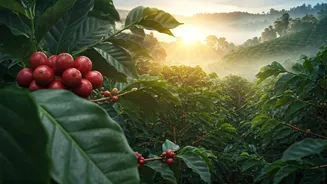
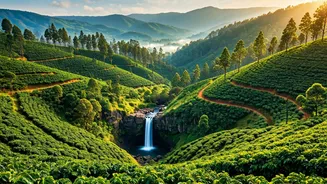
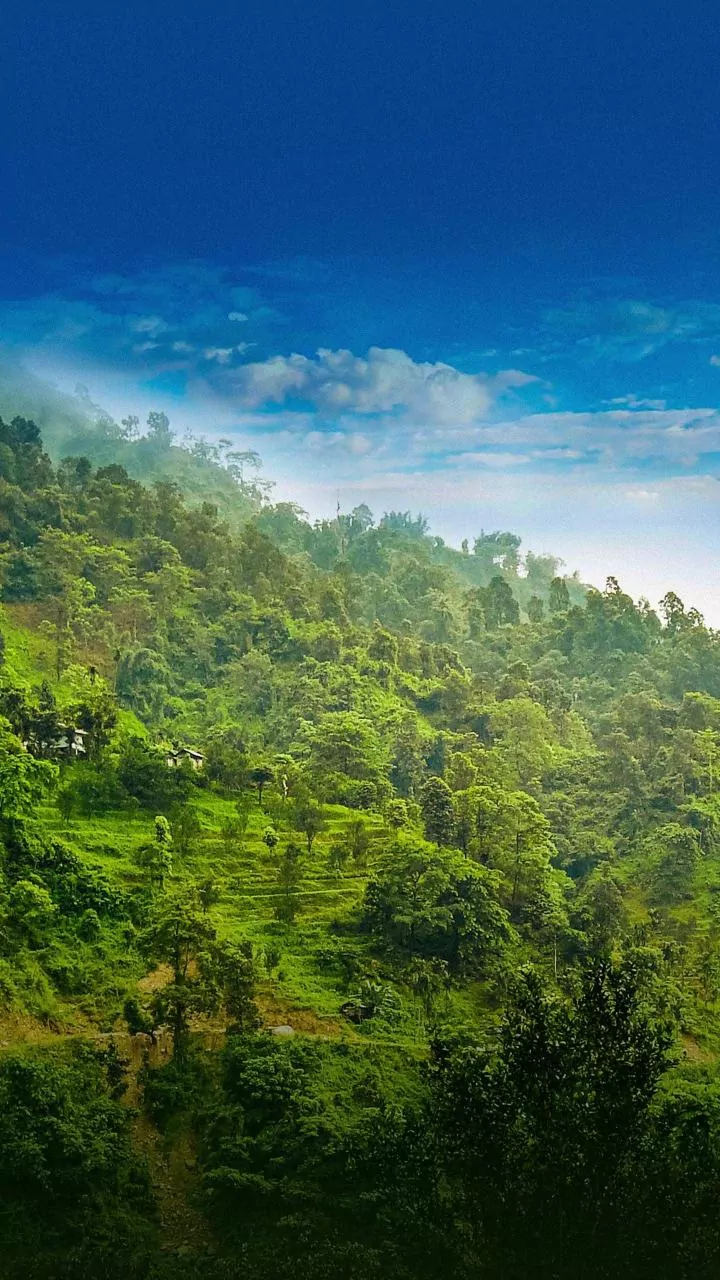
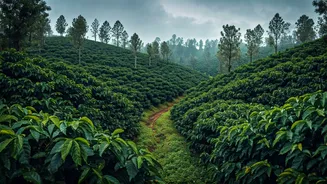
Let’s get you oriented. Coorg, officially known as Kodagu, is a stunningly beautiful, hilly district in the state of Karnataka in southern India. Nestled in the Western Ghats, a UNESCO World Heritage Site, it’s often called the “Scotland of India” for
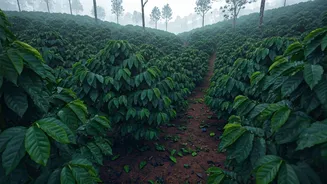
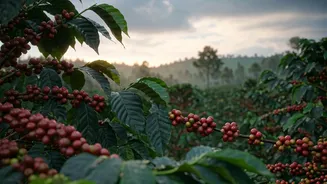
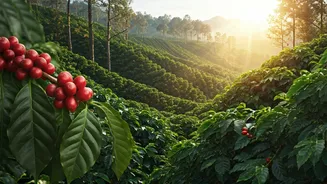
its rolling green hills, misty climate, and sprawling landscapes. But instead of castles and lochs, you’ll find dense forests, aromatic spice gardens, and vast coffee plantations. For decades, it’s been a beloved getaway for Indians seeking a respite from city heat, but it remains a relatively hidden gem for most international tourists. The region is home to the Kodava people, a local community with a unique culture and delicious cuisine centered around pork, rice, and local spices, offering a cultural experience that’s as rich as its coffee.
The Secret Magic of Monsoon Season
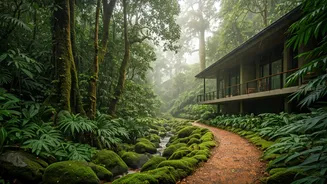
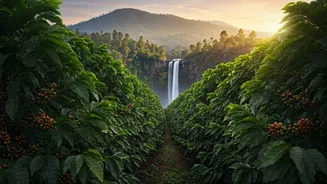
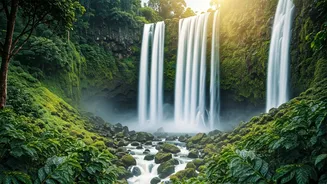
The reason for the dramatic price drop in June is simple: it’s the beginning of the monsoon season. While some travelers might be deterred by the thought of rain, visiting Coorg during this time is a secret handshake among seasoned visitors. This isn’t a dreary, week-long drizzle. The monsoon transforms the entire region into a vibrant, emerald paradise. The rain washes the landscape clean, leaving the foliage a brilliant, almost electric green. Waterfalls like Abbey and Iruppu, which can be modest in the dry season, become roaring, powerful spectacles. The air is cool, fresh, and filled with the petrichor—the incredible scent of rain hitting dry earth. It’s a time for cozying up in a beautiful resort, sipping world-class local coffee on a balcony overlooking a misty valley, and enjoying a peaceful atmosphere free from the throngs of peak-season tourists.
Making Sense of the Savings
The headline’s claim of a 50% price drop isn’t just clickbait; it reflects the reality of off-season travel economics. With fewer tourists, resorts and homestays across Coorg—from charming boutique inns to luxurious properties with private pools—slash their prices to attract visitors. While not every single room will be exactly half off, it’s common to find deals of 30-50% off the rates you’d pay during the peak tourist season (from October to March). This means a luxury stay that might be a splurge during Christmas becomes surprisingly accessible in June. Your travel budget stretches further, allowing you to upgrade your room, stay longer, or indulge in more experiences like spa treatments and guided plantation tours.
Your Rainy-Day Itinerary in Paradise
So, what do you do when it’s raining? Embrace it. A guided tour of a coffee or spice plantation is even more atmospheric during a light shower; the aromas of cardamom, pepper, and wet soil are intoxicating. This is the perfect time to visit the region's powerful waterfalls, which are at their most majestic. You can explore the historic Madikeri Fort, take a drive through winding roads shrouded in fog, or visit the Namdroling Monastery, a stunning Tibetan Buddhist center also known as the “Golden Temple.” Many resorts also offer indoor activities, from cooking classes focused on local Kodava cuisine to serene wellness therapies. The main event, however, is the relaxation. It’s a trip for reading a book by the window, not for intense multi-day treks, which are often unsafe and closed during heavy rains.
What to Pack and How to Get There
Getting to Coorg from the U.S. involves flying into a major Indian hub and then connecting to a closer airport. The nearest airports to Coorg are Kannur (CNN) in Kerala or Mangalore (IXE) in Karnataka, both about a 3-4 hour scenic drive away. You can also fly into Bangalore (BLR) and enjoy a slightly longer (5-6 hour) road trip. For packing, think layers, a reliable waterproof jacket, and sturdy, non-slip footwear. An umbrella is essential, as are waterproof bags for your phone and camera. Pack clothes that dry quickly. Most importantly, pack an adventurous spirit. A monsoon trip isn’t about perfect sunshine; it’s about experiencing a place at its most raw, dramatic, and beautiful.