



The Rise of the Flexitarian
The single biggest misconception about alternative proteins is that they're made for, and bought by, vegans and vegetarians. The data says otherwise. A 2023 report from the Good Food Institute found that the vast majority of U.S. households that purchase
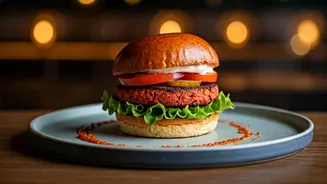
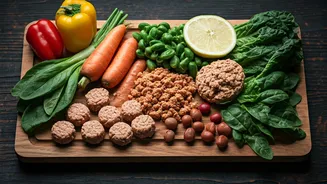
plant-based meat also purchase conventional meat. These consumers aren't abandoning animal products entirely; they are 'flexitarians' who are actively reducing their meat consumption for reasons spanning health, environmental concerns, and simple curiosity. Companies like Impossible Foods and Beyond Meat have always known this was their target market. Their goal was never just to create a better veggie burger for a small, dedicated base. It was to create a plant-derived product so convincing that it could compete directly with conventional beef on taste, texture, and convenience for the mainstream American consumer. By placing their products in the meat aisle, not a specialty 'vegan' section, they made a strategic choice to court the 99% of shoppers who aren't strictly plant-based.
It's a Technology Play
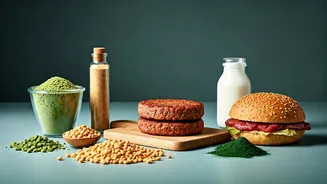
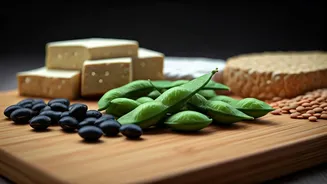
Forget the image of a simple black bean patty. The modern alternative protein industry is built on sophisticated food science and biotechnology. The sector is generally broken into three key pillars. The first, and most familiar, is plant-based protein, which uses ingredients from soy, peas, and other plants to mimic meat, dairy, and eggs. The second, and rapidly growing, pillar is precision fermentation. This technology uses microorganisms like yeast—genetically instructed to produce specific proteins—to create animal-free whey, casein, or egg whites that are molecularly identical to the real thing. Companies like Perfect Day are already selling ice cream made with 'animal-free' dairy protein. The third pillar, cultivated meat (or 'cell-based' meat), involves growing actual animal tissue from a small sample of cells in a bioreactor, no animal slaughter required. While still in its early commercial stages in the U.S., it represents the industry's long-term ambition to decouple meat production from industrial animal agriculture entirely. This isn't a food trend; it's a tech revolution.
Follow the Money
When venture capitalists and global food conglomerates pour billions into a sector, it's no longer a niche trend. From 2013 to 2023, the alternative protein industry attracted tens of billions in investment capital. But it's not just startups. The world's largest meat and CPG companies—including Tyson Foods, JBS, Cargill, and Nestlé—are hedging their bets by either launching their own plant-based lines or investing in and acquiring successful startups. This 'if you can't beat them, join them' strategy signals a profound acknowledgment from incumbents that consumer demand is shifting in a durable way. They see a future where protein doesn't just come from a cow, pig, or chicken, and they are positioning their portfolios to capture that growth. This corporate buy-in provides the capital, manufacturing scale, and distribution networks necessary to move alternative proteins from a specialty item to a global commodity.
The Geopolitical Angle
Beyond consumer choice and market economics, alternative proteins are increasingly viewed through the lens of sustainability and food security. Proponents argue that current methods of industrial animal agriculture are resource-intensive, requiring vast amounts of land, water, and feed while contributing significantly to greenhouse gas emissions. Alternative protein production methods, they contend, can produce protein with a fraction of the environmental footprint. This argument is gaining traction among policymakers and investors concerned with climate change. Furthermore, the COVID-19 pandemic and global conflicts have exposed the fragility of complex food supply chains. The ability to produce protein locally and efficiently in bioreactors, without relying on long and vulnerable agricultural chains, is being framed as a matter of national interest—a way to build a more resilient and secure food system for the future.