
What’s The Big Deal With Fermentation?
At its core, fermentation is a natural preservation process. For thousands of years, long before refrigeration, cultures around the world used microorganisms like bacteria and yeast to transform foods. These tiny helpers would consume the sugars in things
like milk, cabbage, or tea, creating acids, gases, or alcohol. This not only prevented the food from spoiling but also generated a host of new, complex flavors—think the tangy zip of sauerkraut or the creamy depth of yogurt. But the magic goes beyond preservation and taste. This process also creates beneficial compounds, including probiotics. The term 'gut hack' might sound like a modern invention, but fermentation is one of the most ancient food technologies we have. It’s less of a 'hack' and more of a rediscovery of something humans have been doing for millennia to make food more digestible, more flavorful, and more nutritious.
Your Gut: A Garden That Needs Tending
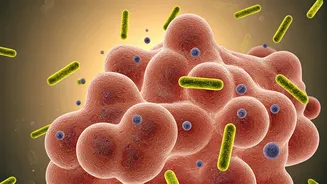
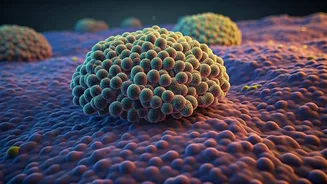
To understand why fermented foods are so powerful, it helps to think of your gut as a garden. This internal ecosystem, called the gut microbiome, is home to trillions of microorganisms. A healthy, diverse garden thrives, but a neglected one can become overrun with 'weeds' (harmful bacteria), leading to issues like bloating, discomfort, and poor digestion.
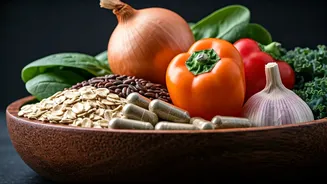
This is where probiotics come in. Probiotics are the 'good seeds' for your gut garden—live, beneficial bacteria that help restore balance. While you can take them in supplement form, fermented foods are a primary dietary source. When you eat something like kimchi or drink kefir, you’re introducing diverse strains of good bacteria directly into your system. These new residents can help fortify your gut lining, improve nutrient absorption, and support a healthy immune system, as much of your immune function is centered in your gut.
Four Fermented Foods to Try
Getting started is easier than you think. Many of these foods are already at your local grocery store. Here are a few accessible options:
**1. Yogurt & Kefir:** This is the most familiar entry point for many Americans. Yogurt is made by fermenting milk with beneficial bacteria. Kefir is a thinner, drinkable cousin with an even wider variety of probiotic strains. They’re perfect for breakfast, smoothies, or as a base for dips and sauces.
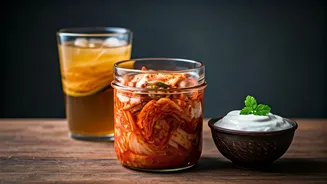
**2. Sauerkraut & Kimchi:** These crunchy, cabbage-based ferments are packed with flavor. German-style sauerkraut offers a tangy, sour taste, while its Korean cousin, kimchi, brings a spicy, garlicky kick. Both are fantastic additions to sandwiches, tacos, grain bowls, or as a simple side dish.
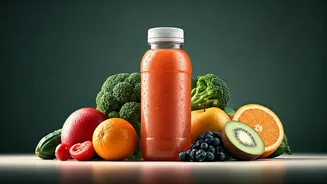
**3. Kombucha:** This fizzy, fermented tea has exploded in popularity. It's made by fermenting sweet tea with a symbiotic culture of bacteria and yeast (SCOBY). The result is a slightly sweet, slightly tart beverage that serves as a great alternative to soda.
**4. Miso & Tempeh:** Originating from Asia, these fermented soy products are savory powerhouses. Miso is a rich paste perfect for soups, marinades, and dressings. Tempeh is a firm, cake-like product with a nutty flavor that makes an excellent plant-based protein substitute for meat in stir-fries and sandwiches.
How to Shop Smart
Not all fermented products are created equal. To get the gut-health benefits, the bacteria need to be alive. When shopping, look for keywords like 'live and active cultures' or 'unpasteurized' on the label. For foods like sauerkraut and kimchi, the most potent versions are typically found in the refrigerated section, not the shelf-stable aisle. Heat from pasteurization kills the very probiotics you’re seeking. With kombucha, be mindful of sugar content; some brands add a lot of extra sugar after fermentation, which can counteract the benefits. Choose one with less than 10 grams of sugar per serving for a healthier sip.