

What Is a Vertical Greenhouse?
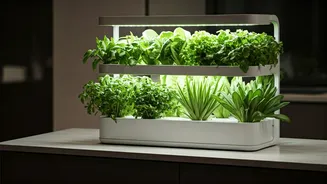
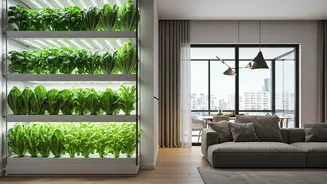
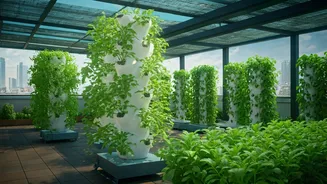
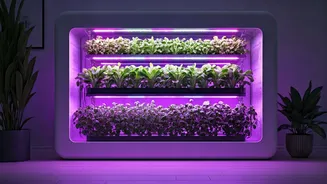
Forget a simple stack of pots on a shelf. A true indoor vertical greenhouse is a self-contained, soil-free ecosystem designed for maximum growth in minimal space. These systems typically take the form of sleek towers or wall panels where plants grow sideways
or upwards. Instead of soil, they rely on hydroponics (roots in a nutrient-rich water solution) or aeroponics (roots misted with nutrients). Combined with full-spectrum LED grow lights that mimic the sun, these setups create a perfect, year-round growing environment that is independent of weather, pests, and even natural light. They are, in essence, a compact, automated farm tailored for the modern home, turning a forgotten corner into a source of fresh food.
The 'Ultra-Efficient' Advantage
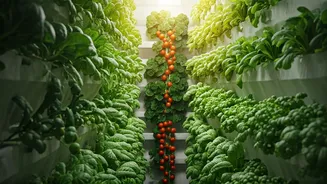
The headline’s claim of being “ultra-efficient” isn’t just marketing hype; it’s rooted in the technology. First, there's water conservation. Because the water is recirculated in a closed-loop system, hydroponic and aeroponic setups use up to 95% less water than traditional soil gardening, where most water is lost to evaporation and runoff. Second is space efficiency. By growing upwards, these systems can produce significantly more food per square foot than a horizontal garden bed. A single two-square-foot tower can hold 30 or more plants. Finally, there’s speed. With nutrients delivered directly to the roots and optimized light cycles, plants often grow 25-50% faster than they would in soil, allowing for more frequent harvests throughout the year.
From Salad Greens to Strawberries
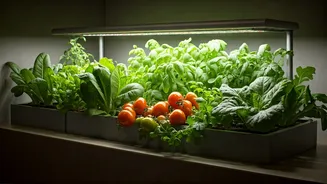
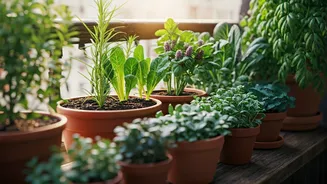
So, what can you actually grow? The best candidates for these systems are plants that are fast-growing and don't require deep, extensive root systems. Leafy greens are the undisputed champions: varieties of lettuce, kale, spinach, and arugula thrive. Herbs are another staple, with basil, mint, parsley, and cilantro growing prolifically. Many systems are also capable of supporting fruiting plants. Compact varieties of cherry tomatoes and peppers do well, and ever-bearing strawberries are a popular and rewarding choice. However, it's important to manage expectations. Root vegetables like carrots and potatoes, or large, sprawling plants like zucchini and corn, are not practical for these compact, soil-free environments. The focus is on high-value, quick-turnaround crops you can harvest and eat immediately.
Getting Started: Systems and Setups
Bringing an edible greenhouse into your home generally follows one of two paths. The simplest route is purchasing a turnkey system from a growing number of companies specializing in home hydroponics. These often come as aesthetically pleasing towers or wall-mounted units, complete with a pump, lights, and starter seed pods. They are designed to be plug-and-play, with companion apps that can remind you when to add water and nutrients. The trade-off is cost, as these polished systems can be a significant investment. The alternative is the DIY approach. With some research, you can build your own system using PVC pipes, storage bins, a submersible pump, and LED strip lights. While more labor-intensive and less elegant, a DIY setup offers customization and a much lower entry cost for those willing to get their hands dirty.
More Than Just Fresh Food
While the primary draw is fresh, pesticide-free produce at your fingertips, the benefits don't stop there. These vertical gardens double as living art, with the lush greenery and soft glow of the lights adding a biophilic design element to any room. They act as natural air purifiers and humidifiers, subtly improving your indoor environment. For many, the simple act of tending to the plants and watching them grow provides a powerful connection to nature and a meditative escape from digital life. It's a hobby that feeds you, both literally and figuratively, making it a uniquely rewarding addition to a modern, space-conscious home.