



The Legend of Hippie Hill
For decades, Kasol was a key stop on the so-called “Hippie Trail,” an informal overland route that took Western youth from Europe to South Asia in the 1960s and ‘70s. They were searching for enlightenment, cheap living, and an escape from mainstream society.
In the remote villages of Himachal Pradesh, tucked away in the Himalayas, they found it. Kasol, with its dramatic mountain scenery and isolation, became a semi-mythical destination—a place to disappear, to meditate by the rushing Parvati River, and to exist outside the bounds of conventional time. It earned a reputation as India’s answer to Amsterdam, a haven of counter-cultural freedom set against one of the world’s most staggering backdrops.
The Parvati Valley Pulse
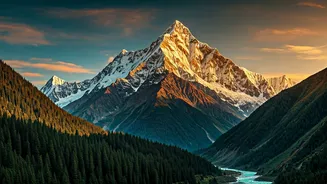
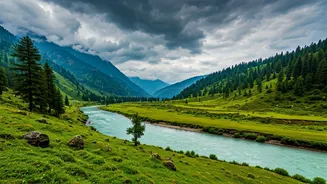
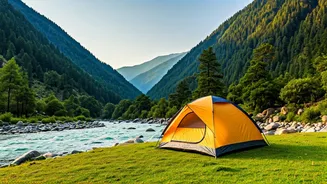
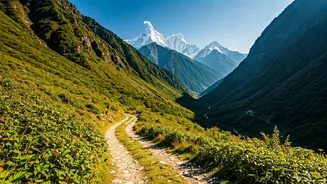
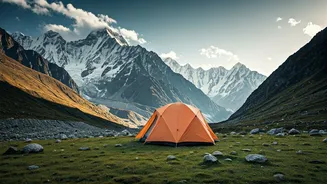
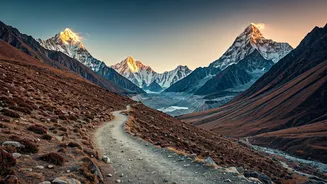
To understand Kasol, you have to understand its setting. The village is a small cluster of buildings clinging to a narrow road that winds through the Parvati Valley. The valley itself is the main character. Jagged, snow-dusted peaks claw at the sky, while the Parvati River, a torrent of glacial meltwater, thunders below. The sheer power of the landscape has a humbling effect. It forces a slower pace. There are no airports, no major train lines nearby. Reaching Kasol requires a long, winding bus journey, a pilgrimage in itself that filters out the casual tourist. The environment dictates the experience; it’s a place that demands you surrender to its rhythm, not the other way around.
A Modern-Day 'Little Israel'
The original wave of Western hippies has long since crested, but a new generation of travelers redefined Kasol in the 1990s and 2000s: Israeli backpackers. Fresh out of their mandatory military service, thousands flocked to the Parvati Valley seeking decompression and adventure. Their influence is undeniable. Walk down Kasol’s main street and you’ll see Hebrew signboards advertising guesthouses and cafes. Menus offer shakshuka and hummus alongside local Indian fare. This cultural layer added a new dimension to Kasol’s identity, transforming it from a simple hippie hideout into a unique cultural crossroads known affectionately as ‘Little Israel.’ It’s a testament to the village’s enduring appeal as a post-rite-of-passage sanctuary.
Myth vs. The Instagram Feed
Of course, no secret paradise stays secret forever. Today, Kasol’s main street can feel less like a spiritual escape and more like a tourist strip. The once-rustic village is now packed with guesthouses, souvenir shops selling tie-dye shirts, and “German bakeries” of varying authenticity. The sound of electronic trance music often drifts from riverside cafes. In peak season, the narrow road chokes with traffic and crowds of domestic tourists from Delhi and Chandigarh, all seeking their own version of the Kasol dream, often filtered through an Instagram lens. For the purist, it’s easy to feel that the magic has been lost—that the raw, untamed spirit has been packaged and sold.
Where The Vibe Survives
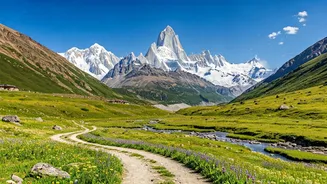
But to declare Kasol’s soul dead is to miss the point. The hippie hill escape mood no longer resides on the main street; it has simply moved. It’s found on the trail to nearby villages like Chalal or Tosh, just a short trek away but worlds apart in feel. It’s in the quiet conversations with fellow travelers around a bonfire at a remote guesthouse. It’s in the simple act of sitting on a rock, watching the clouds snag on the peaks, and feeling the rumble of the river in your chest. The commercialism is a thin veneer. The core experience—the overwhelming nature, the slow passage of time, the feeling of being small in a very large world—is still there for anyone willing to walk 15 minutes away from the crowds. The mood isn’t a passive experience anymore; it’s an active choice.