



The Great Unstuffing Begins
Walk through any design-forward home today, and you might notice what’s missing. The gallery walls crammed with a dozen prints have been replaced by a single, impactful piece of art. The bookshelves groaning under the weight of decorative objects now
feature carefully chosen volumes and, crucially, empty space. This is the great unstuffing—a deliberate pivot away from the maximalist aesthetic that dominated the 2010s and early 2020s. While maximalism celebrated personality through abundance—think layered rugs, patterned wallpaper, and collections proudly displayed—the new mood is one of restraint. It's not the cold, clinical minimalism of the '90s, but a warmer, more soulful version that prioritizes light, texture, and intention over sheer volume.
A Search for Calm in a Chaotic World
So, why the sudden shift? In a word: burnout. The world outside our front doors feels increasingly noisy, complex, and overwhelming. Our digital lives are a constant barrage of notifications, feeds, and demands for our attention. In response, many are seeking to make their homes a true sanctuary—a place to decompress and disconnect. An overstuffed interior, no matter how beautiful, is still visually demanding. Every object asks for a sliver of your attention. An airy, uncluttered space does the opposite. It offers what designers call 'negative space,' or visual pauses that allow the eye, and the mind, to rest. After years of global uncertainty and digital overload, we're craving psychological breathing room, and we’re starting by creating physical breathing room in our homes.
What the 'Airy' Look Actually Is
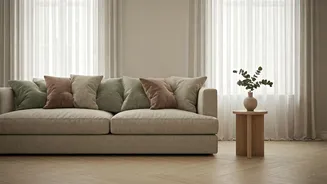
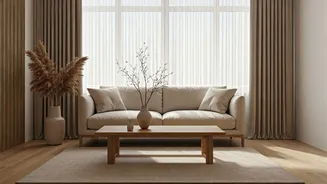
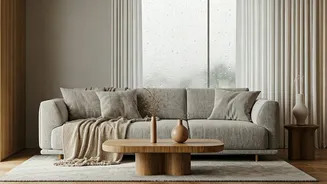
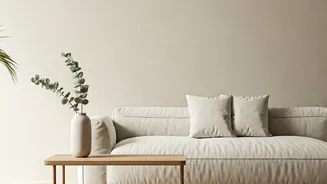
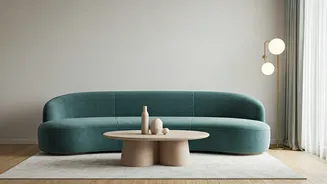
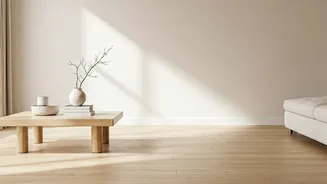
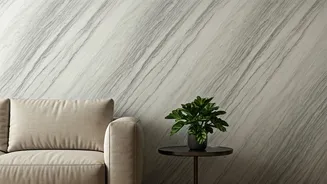
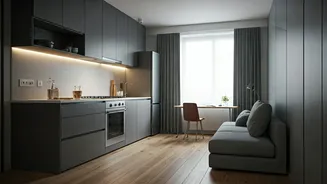
Achieving an airy aesthetic isn’t about getting rid of all your stuff. It’s about being more selective. The look is defined by a few key principles. First, an emphasis on natural light, with windows often left unburdened by heavy drapery. Second, a focus on fewer, better pieces of furniture that are both functional and beautiful, often with clean lines and natural materials like wood, linen, and stone. Third, a color palette that leans toward warm neutrals, earthy tones, and soft whites, creating a serene backdrop. Finally, and most importantly, it’s about intentionality. Every object in the room feels chosen, not just accumulated. The goal isn’t emptiness for its own sake, but a curated environment where the things you truly love can shine.
Don't Call It the End of Personality
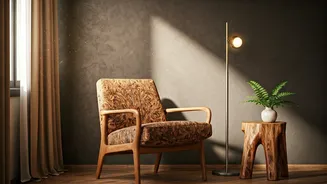
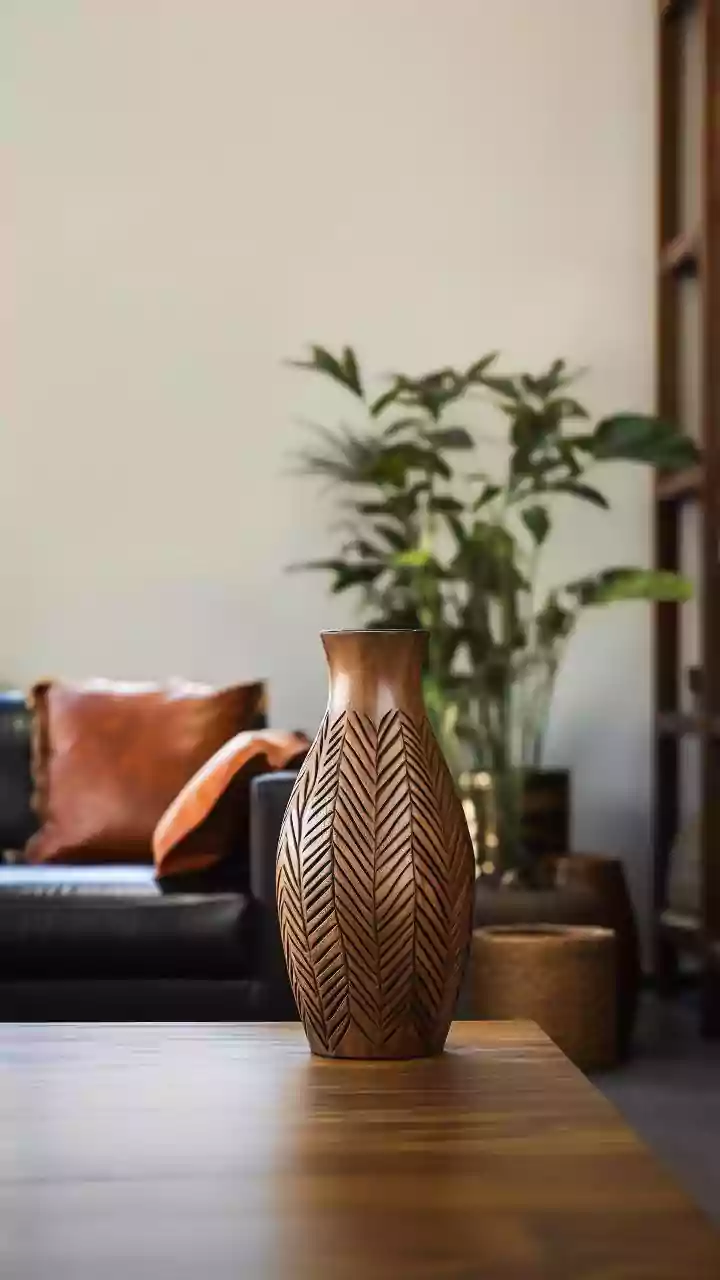
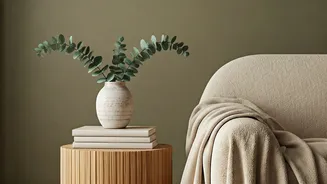
It’s tempting to see this trend as the death of personality in design, but that would be missing the point. Maximalism told a story through an accumulation of chapters—every trinket and textile added to the narrative. The new airy interior tells its story more like a poem, where carefully chosen words (or objects) carry more weight. The personality is still there, but it’s expressed with more confidence and less clutter. A single, sculptural armchair in a corner makes a more powerful statement than a trio of mediocre ones. A cherished vase sitting alone on a mantel is noticed and appreciated in a way it couldn’t be when surrounded by a dozen other items. This trend isn't a rejection of personal style; it’s an evolution toward a more edited, focused, and ultimately more peaceful version of it.