



The Other Side of Goa
For most Americans, Goa, India, conjures images of palm-fringed beaches, vibrant nightlife, and sun-drenched winter escapes. The state’s reputation as a tropical haven is well-earned. But when the monsoon clouds roll in from June to September, a different,
more dramatic Goa emerges. The tourist crowds thin, the heat breaks, and the entire landscape transforms into an impossible shade of emerald green. The air smells of wet earth and blossoming foliage. This isn’t the Goa of postcards; it’s something deeper, more atmospheric, and for the intrepid traveler, infinitely more rewarding.
The Journey Through the Green
The adventure begins in Panjim, Goa’s charming, laid-back capital. Instead of heading for the coast, you point your vehicle east, toward the mountainous spine of the Western Ghats. The roughly 40-mile drive is a journey in itself. You’ll wind through sleepy villages, past historic Portuguese-style homes painted in cheerful, peeling pastels. As you climb, the paddy fields give way to dense forests. The rain, far from being a nuisance, becomes the soundtrack to your trip—a steady drumming on the roof of your car as mist clings to the hillsides, creating a sense of mystique and anticipation.
Swapping Asphalt for Adventure
The paved road can only take you so far. The final leg of the journey to the base of the falls requires a change of vehicle and a change of mindset. At the edge of the Bhagwan Mahaveer Sanctuary and Mollem National Park, you’ll trade your car for a rugged, 4x4 jeep, operated by local guides. This is where the real fun starts. The jeep safari is a bone-rattling, mud-splattering, river-fording adventure through the jungle. Your driver expertly navigates a barely-there track that becomes a shallow river, bouncing over rocks and through streams swollen with monsoon rain. It’s bumpy, it’s wet, and it’s an absolute thrill—a core part of the experience that makes the destination feel truly earned.
Witnessing the 'Sea of Milk'
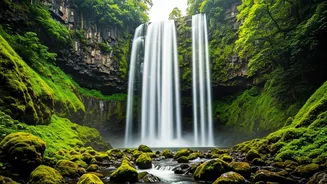
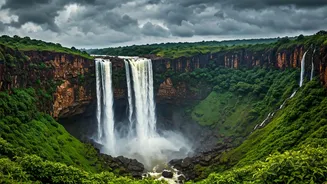
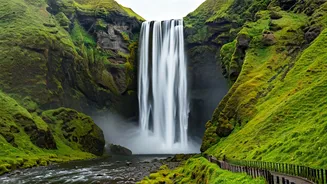
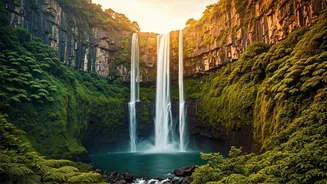
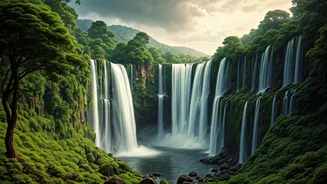
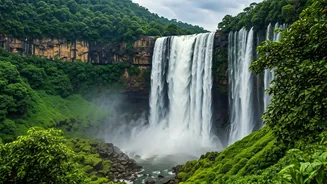
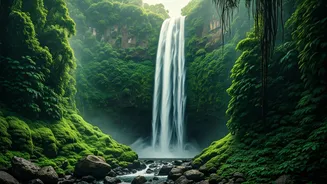
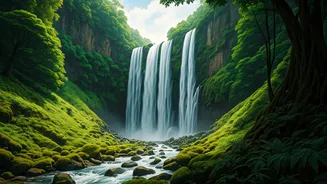
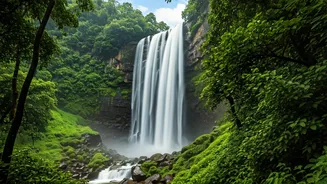
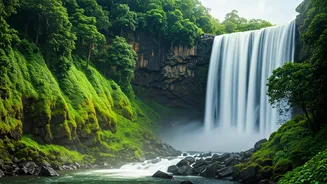
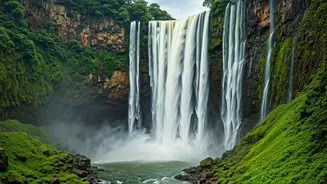
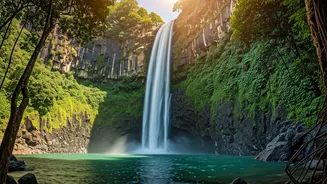
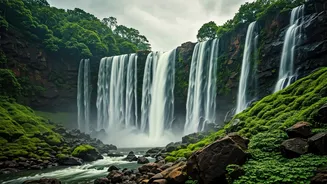
After the exhilarating jeep ride, you’ll hear it before you see it: a deep, visceral roar that seems to shake the ground. A short hike brings you to the viewpoint, and the sight is staggering. Dudhsagar Falls, whose name translates to “Sea of Milk,” is one of India's tallest waterfalls. During the monsoon, it’s not a mere cascade but a force of nature. Four tiers of whitewater thunder down a sheer, 1,000-foot rock face, kicking up a perpetual cloud of spray. The sheer volume and power are breathtaking. Adding to the drama is the railway line that crosses the falls midway up. If you’re lucky, you’ll see a train slowly traverse the bridge, momentarily vanishing into the white spray—an iconic, almost surreal image.
The Practical Side of the Flex
Pulling off this rainy-day flex requires a bit of planning. The jeep safaris are heavily regulated and are the only way to reach the base of the falls during the monsoon. It's best to book a spot on an official jeep tour from the village of Mollem. Wear clothes and shoes you don’t mind getting soaked; quick-dry fabrics are your friend. Pack your phone and camera in a waterproof bag. Most importantly, embrace the conditions. The rain and mud aren't obstacles to be overcome; they are essential ingredients of what makes this trip so memorable. You aren’t just observing the power of the monsoon; you are right in the middle of it.