





A New Altitude for Flavor
For generations, the heart of Delhi's culinary identity has beaten at street level. The city's legendary food culture is synonymous with labyrinthine lanes in Old Delhi, where vendors have perfected recipes for chaat, parathas, and chole bhature over
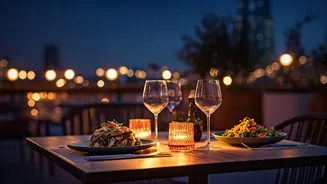
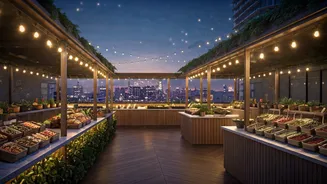
decades. But as the relentless Indian summer descends, a new trend is offering food lovers both relief and a fresh perspective. Pop-up markets and food festivals are migrating upwards, taking over terraces, rooftops, and elevated courtyards. The familiar symphony of honking horns and vendor calls is replaced by curated DJ sets and the contented murmur of a younger, cosmopolitan crowd. Instead of jostling for space on a crowded sidewalk, patrons lounge on chic, temporary furniture, cocktail in hand, gazing out at the sprawling metropolis below. It's a fundamental shift in ambiance—from gritty and spontaneous to curated and cool.
From Classic Street Eats to Gourmet Treats
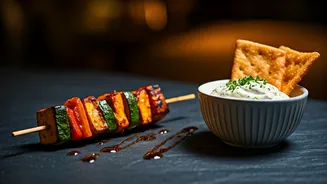
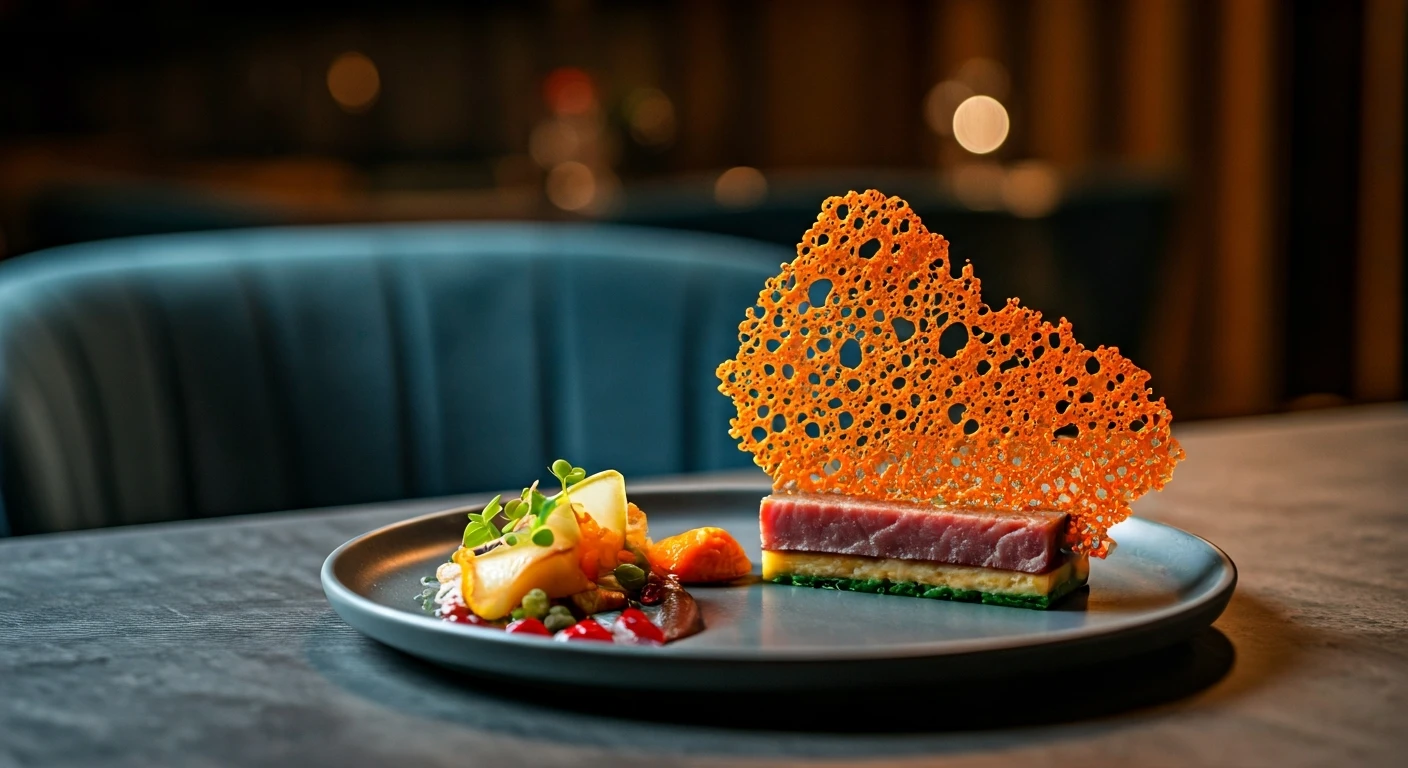
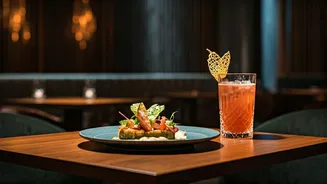
While the location is new, the reverence for food remains. These elevated markets aren't abandoning Delhi's culinary heritage; they're reimagining it. Alongside stalls offering perfectly executed golgappas and spicy ram ladoo, you’ll find vendors pushing the envelope. Think deconstructed butter chicken served in bao buns, avocado bhel puri, or artisanal ice cream infused with local flavors like rose and cardamom. The vendor list is a microcosm of modern India: third-generation street food families share space with ambitious young chefs who honed their skills in international kitchens. The beverage scene is equally evolved. Gone are the days of only bottled water and sugary sodas. Here, craft breweries pour local IPAs, and mixologists shake up gin cocktails infused with hibiscus and elderflower, catering to a palate that is increasingly global.
More Than Just Beating the Heat
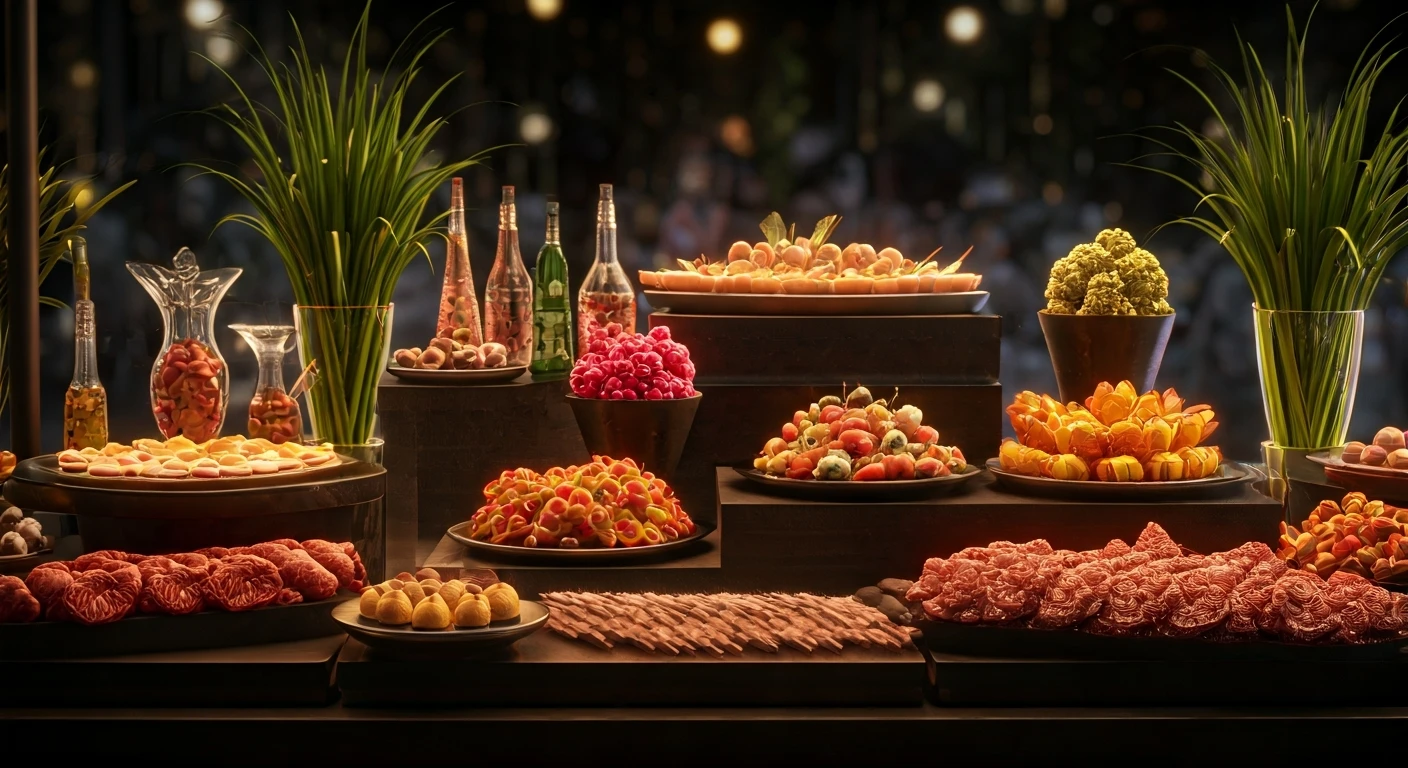
While escaping the oppressive summer heat and humidity is a definite perk, the move skyward is driven by deeper social currents. For a generation fluent in the language of Instagram, the aesthetic is as important as the taste. A beautifully plated dish against a backdrop of a twinkling city skyline is infinitely more shareable than a quick bite grabbed on a dusty street corner. These markets are designed to be photogenic, from the string lights and colorful bunting to the artfully arranged food stalls. Furthermore, there's a growing demand for experiences that feel organized, clean, and safe. These curated events offer a controlled environment—a stark contrast to the wonderful but often overwhelming chaos of traditional bazaars. They provide the thrill of discovery without the navigational challenges, making it an accessible entry point for both tourists and locals looking for a different kind of night out.
The Curated Urban Experience
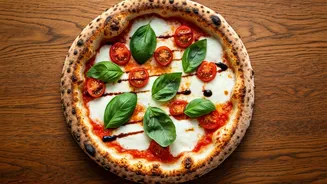
These are not just food courts on a roof. They are meticulously planned cultural happenings. Organizers behind popular events like The Lil' Flea or Horn OK Please act as tastemakers, hand-picking a mix of food, fashion, music, and art. You might browse stalls from independent clothing designers, listen to a live indie band, and then grab a gourmet pizza, all in one evening. This all-in-one model transforms a simple meal into a full-fledged social event. It reflects a broader trend in global cities where consumers are seeking holistic experiences over simple transactions. They aren’t just buying food; they’re buying a vibe, a community, and a memory. By bringing together the best of Delhi’s creative energy in one photogenic, breezy location, these markets are redefining what it means to go out in the city.