
First, What Is Nirjala Ekadashi?
Before we get to the food, let’s talk about the fast. Nirjala Ekadashi is one of the most significant and stringent fasting days in Hinduism. Observed on the 11th lunar day (Ekadashi) of the waxing moon in the Hindu month of Jyeshtha (which typically
falls in May or June), 'Nirjala' literally means “without water.” Devotees traditionally abstain from both food and water for about 24 hours, from sunrise to the next sunrise, as an act of devotion and purification. It’s a day of intense spiritual focus, prayer, and meditation. The dietary restrictions are strict, but when the fast is broken, or for those observing a less stringent version, the food allowed—known as 'vrat ka khana'—follows its own specific set of rules.
The Classic Vrat Menu
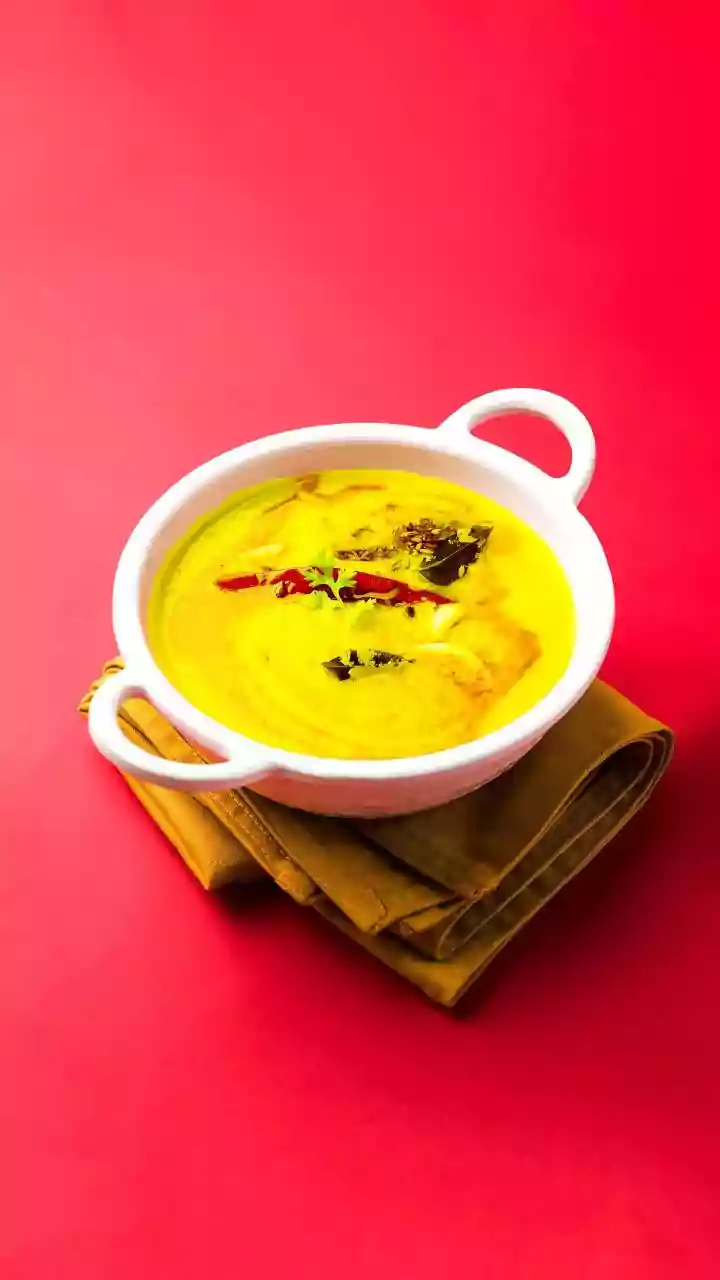
For generations, the menu for breaking a fast has been comforting and consistent. The rules generally prohibit grains like wheat and rice, lentils, onions, garlic, and most spices. Instead, the culinary canvas is limited to a specific pantry of ingredients. Think potatoes, sweet potatoes, and other root vegetables. Think flours made from buckwheat (kuttu), water chestnut (singhara), or amaranth (rajgira). Sabudana, or tapioca pearls, are a superstar, often turned into a savory, peanut-studded khichdi or fried into crispy vadas (patties). Fruits and dairy products like yogurt and milk are also mainstays. While delicious and deeply nostalgic, traditional vrat fare often leans towards being carb-heavy and fried—a rich reward after a day of austerity.
The 'Glow-Up' Arrives
Here’s where the glow-up happens. A new generation of American Hindus, along with health-conscious observers everywhere, are reimagining the vrat plate. They are honoring the ancient rules but applying modern culinary sensibilities. The goal is to create food that is not only spiritually compliant but also lighter, healthier, and more aligned with contemporary palates. It’s less about deep-frying and more about baking, air-frying, and assembling. This culinary evolution is driven by a desire to make the tradition feel both sustainable and personally relevant, blending the sacred with the everyday wellness trends that define modern life.
New-Wave Fasting Foods
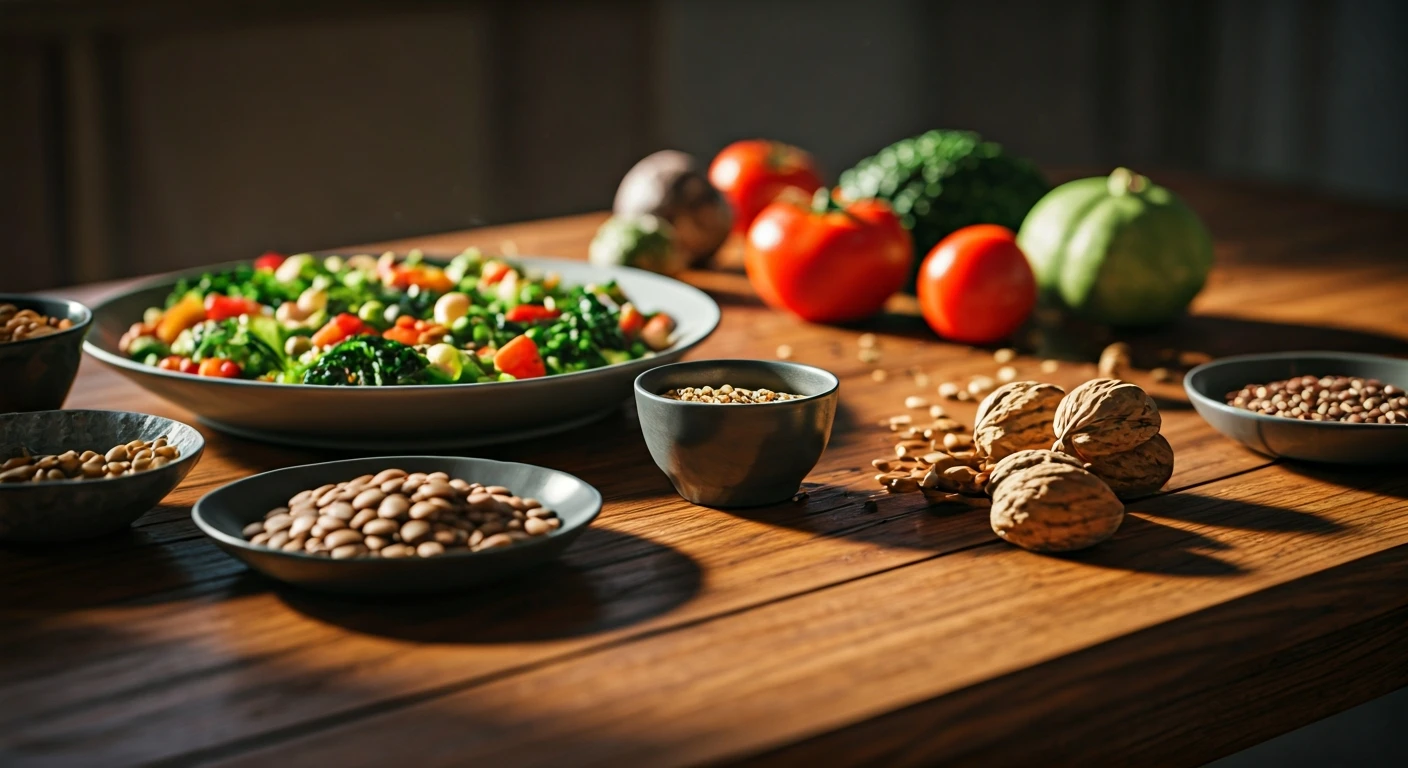
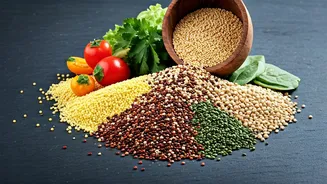
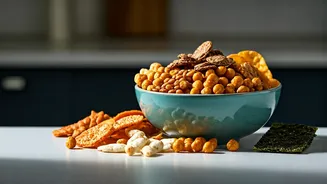
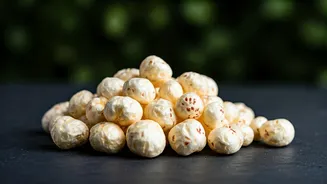
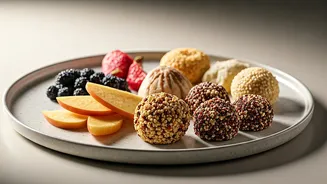
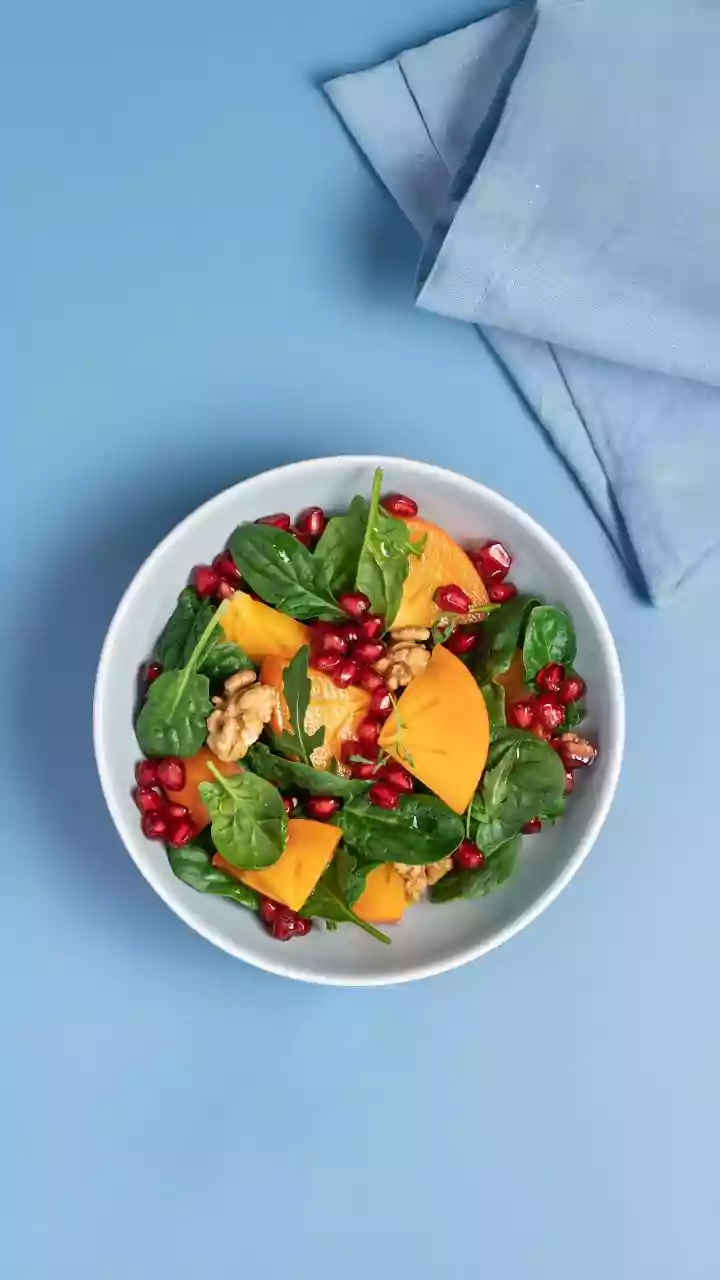
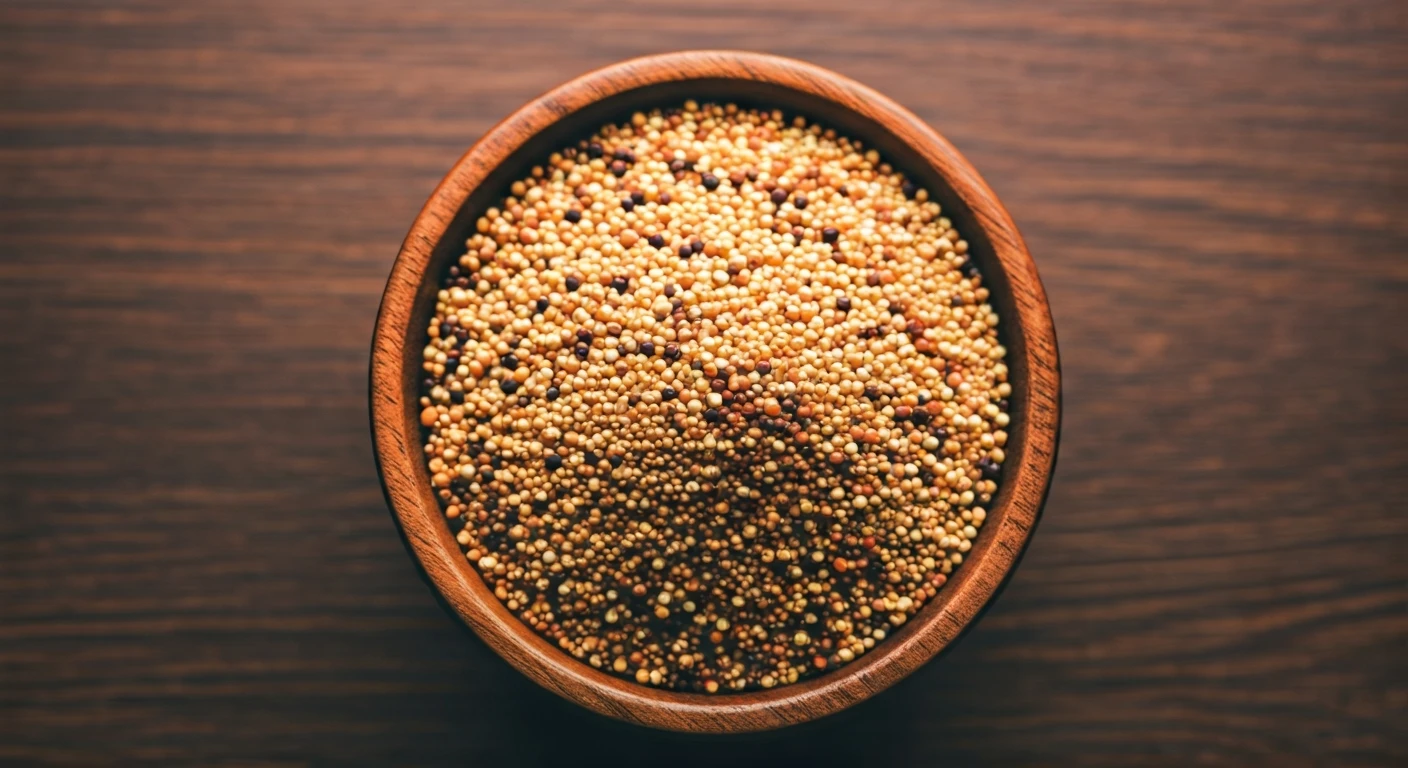
So what does this new-age vrat snack look like? Instead of fried potato tikkis, you might find baked sweet potato wedges seasoned with rock salt and black pepper. Sabudana khichdi is still on the menu, but it might be joined by a vibrant 'vrat-friendly' quinoa salad, packed with boiled potatoes, pomegranate seeds, and a lemon-coriander dressing (since quinoa is a seed, not a grain, it gets a pass in many households). Buckwheat flour, traditionally used for fried puris, is now being transformed into savory crepes or even pancakes topped with fresh fruit. You'll see makhana (fox nuts) roasted and lightly spiced for a crunchy snack, and fruit smoothies blended with yogurt and a pinch of rock salt for electrolyte replenishment. It’s a creative, vibrant, and often Instagram-worthy spread.
More Than Just a Meal
This trend is about more than just food; it’s a story of cultural adaptation. For many in the Indian diaspora, these culinary innovations are a way to connect with their heritage on their own terms. It bridges the gap between the traditions of their parents and grandparents and the health-focused, globalized food culture they inhabit. By giving vrat snacks a glow-up, they aren’t discarding the past. Instead, they are ensuring its survival, proving that ancient rituals can have a dynamic and delicious place in the modern world. It’s a celebration of faith that you can see, taste, and feel, proving that even the most disciplined traditions have room for a little creative flair.