

Why We Crave Quiet
If you find yourself daydreaming of a cabin in the woods instead of a bustling European capital, you’re not alone. The collective experience of the last few years has rewired our travel desires. After periods of being cooped up, the appeal of wide-open
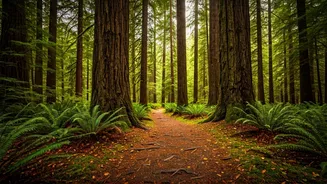
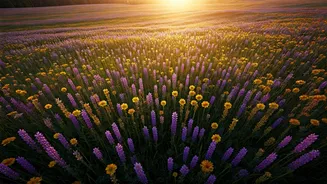
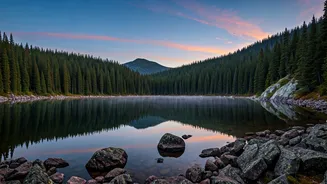
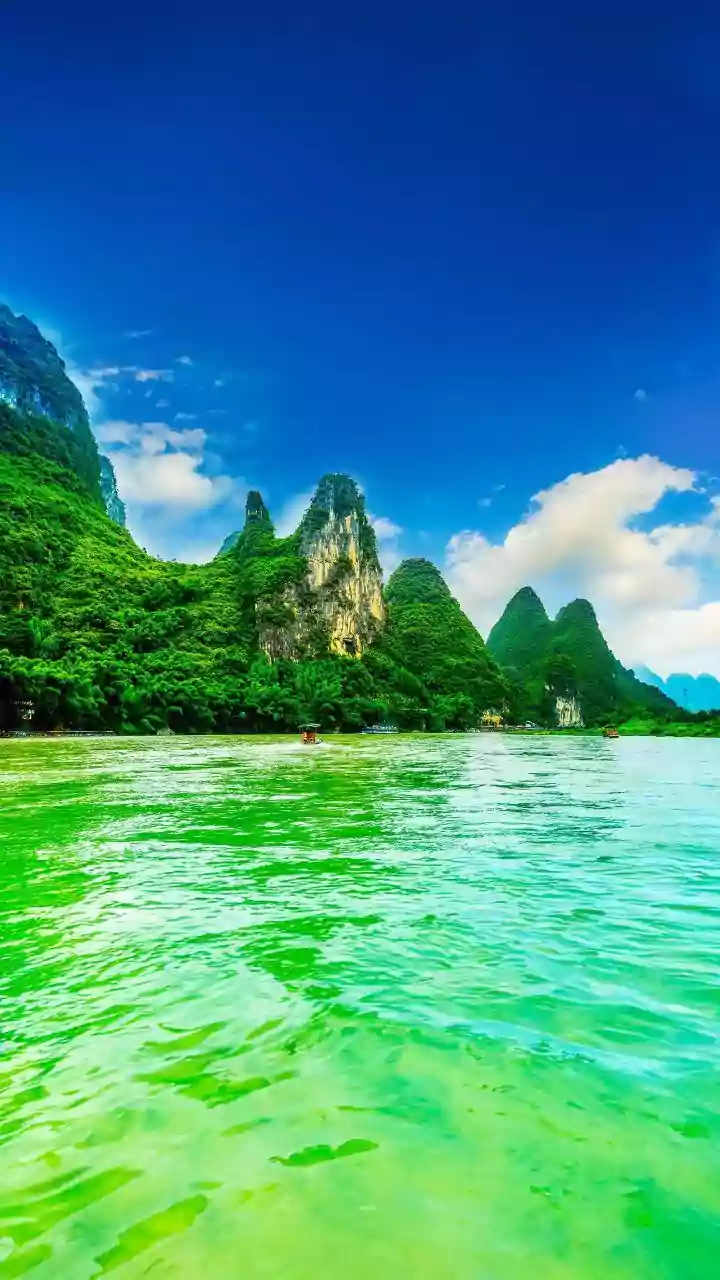
spaces has skyrocketed. Psychologists and wellness experts point to a phenomenon known as “attentional restoration,” where spending time in nature allows our brains to recover from the mental fatigue of daily life. The constant pings, notifications, and dense urban environments that define modern existence have created a deep-seated craving for their opposite: quiet, undeveloped landscapes. This isn’t just about escaping—it's about healing. A trip defined by birdsong instead of car horns offers a profound mental reset that a packed tourist itinerary rarely can.
Embrace the Shoulder Season
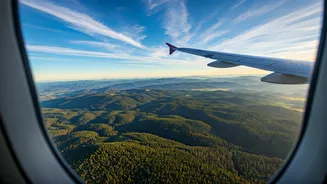
Getting away from the crowds doesn’t mean you have to write off popular destinations entirely. The secret is timing. Instead of visiting a national park in the peak of July, consider a trip in late September. This period, known as the “shoulder season,” offers a sweet spot between the peak summer rush and the off-season doldrums. You’ll often find pleasant weather, fewer people on the trails and in restaurants, and lower prices for flights and accommodations. The iconic views of Zion, the Grand Canyon, or Acadia are just as spectacular with autumnal colors and a crispness in the air, but the experience is transformed when you’re not jockeying for a photo op or circling the parking lot for 30 minutes. The same logic applies to coastal towns; a visit in early June or after Labor Day provides all the charm with a fraction of the chaos.
Discover 'Second Cities' and Beyond
The travel industry has long been dominated by a handful of superstar destinations. But the quest for fewer crowds is encouraging travelers to look beyond the obvious. This has given rise to the “second city” phenomenon. Instead of Nashville, try Chattanooga for its vibrant outdoor scene. Rather than heading to Denver, consider Boise for its blend of mountain access and a walkable downtown. This mindset extends beyond cities. Instead of the most famous national park, explore a nearby national forest or state park, which often offers similar stunning geography with significantly less foot traffic and bureaucracy. These places aren't “second best”—they are simply less marketed, offering a more authentic and relaxed experience away from the highly curated, often overwhelming, main attractions.
Let Your Lodging Be the Destination
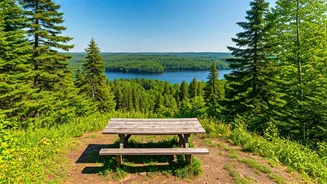
For many, the hotel was once just a place to sleep. Now, the accommodation itself can be the main event. The rise of unique, isolated stays—think remote cabins, fire-lookout towers, yurts, or beautifully designed A-frames—has made it possible to build an entire vacation around your lodging. Booking a secluded house with a mountain view or a lakeside cottage allows you to control your environment completely. You get the green views and the peace and quiet baked into the experience. This approach shifts the focus from a packed schedule of sightseeing to simply *being* in a beautiful place. You can hike from your doorstep, cook meals with a view, and enjoy the destination without ever having to get in a car and join the crowds.
Adopt the Art of Slow Travel
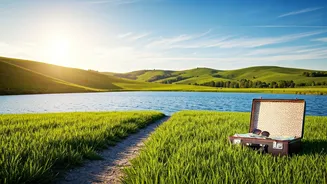
Underlying the desire for green views and fewer people is a fundamental shift toward “slow travel.” This philosophy rejects the pressure to see and do everything. Instead, it encourages a deeper, more immersive connection with a single place. Rather than a whirlwind tour of three cities in five days, slow travel means spending a full week in one small town, renting a bike, visiting the local farmers' market, and getting to know a place on its own terms. It’s about quality over quantity. This approach naturally leads to less-crowded experiences, as you’ll have the time to discover the hidden gems that day-trippers miss. It reduces travel stress and environmental impact while increasing the potential for genuine relaxation and cultural discovery.