

From Delivery Staple to Destination Dish
For decades, pizza’s role in American life was clearly defined. It was the food of convenience, of Super Bowl parties, late-night study sessions, and last-minute family dinners. But a fundamental shift is underway. The pizzeria is no longer just a place
you call for delivery; it's a destination you book a table for. This new wave of pizza spots feels more like a wine bar or a modern bistro, complete with curated playlists, natural wine lists, and patios perfect for a summer evening. The focus has moved from speed and cost to craft and experience. Chefs with fine-dining backgrounds are turning their attention to dough and fermentation, treating pizza not as a blank canvas for cheap toppings but as a legitimate culinary creation worthy of obsession. It’s a transformation from a low-brow staple into an object of high-brow affection, and diners are eagerly lining up for a slice of the action.
The New Rules of Toppings
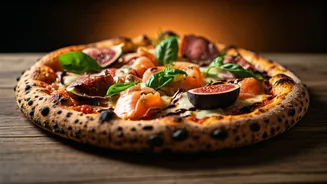
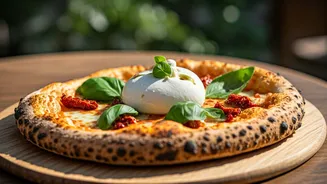
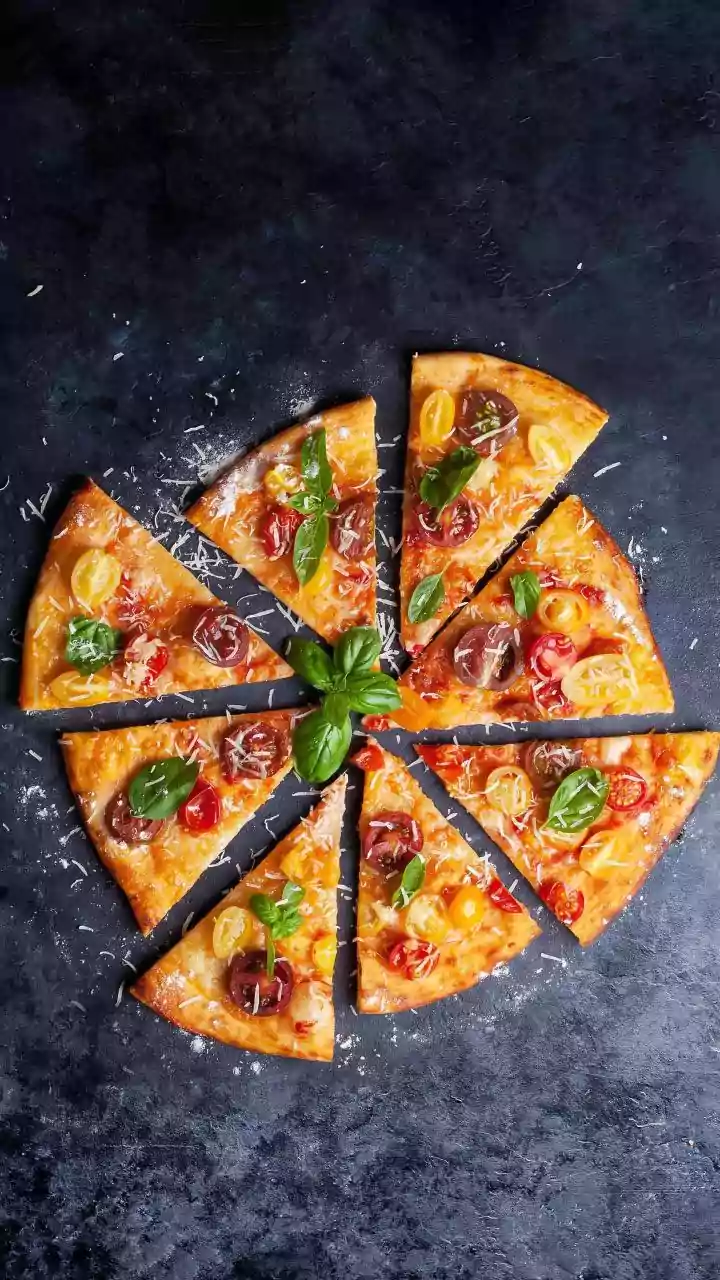
The pepperoni-and-mushroom hegemony is officially over. The signature of today’s fancy pizza is a bold, thoughtful approach to what goes on top. The star of the show is often a single, high-quality ingredient. Think wisps of mortadella draped over a pie post-bake, dollops of creamy burrata, or the spicy-sweet drizzle of hot honey that has seemingly conquered every menu in the country. Calabrian chiles and their spreadable cousin, 'nduja, provide a fiery, funky kick that cuts through rich cheese. Vegetables are no longer an afterthought; they’re seasonal stars from the farmers' market—charred summer squash, sweet corn, or roasted cherry tomatoes. Even the sauce is getting an upgrade. Instead of a simple red base, you might find a vibrant pistachio pesto, a creamy vodka sauce, or even a “white pie” with garlic confit and high-end ricotta. It’s less about piling it on and more about perfect pairings.
It’s All About the Dough
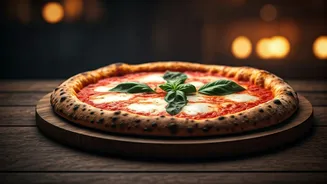
While exotic toppings get the Instagram glory, the true artisans know the secret lies in the crust. The foundation of the fancy pizza movement is, quite literally, the foundation. Forget the floppy, generic crusts of yesteryear. Today's pizza chefs are dough whisperers, obsessed with hydration levels, fermentation times, and heirloom grains. Sourdough starters, nurtured for years, are lending their tangy complexity to pies from coast to coast. This slow-fermentation process, often lasting 48 to 72 hours, results in a crust that is lighter, more digestible, and packed with flavor. At the same time, regional American styles are having a national moment. The thick, rectangular, cheese-crusted Detroit-style pizza has become a phenomenon, while Roman-style 'pizza al taglio' (by the slice) and its cousin, the airy, oval-shaped pinsa, offer a crispier, lighter alternative that feels perfect for a hot day.
Why Now? The Summer of Gourmet Pizza
So why is this happening now? The trend is a perfect storm of cultural and economic factors. Post-pandemic, diners are craving not just food, but experiences—and a beautiful, shareable pizza on a lively patio fits the bill perfectly. Social media plays a huge role; a photogenic pizza with a dramatic cheese-pull or a glistening hot honey drizzle is pure gold for Instagram and TikTok. There’s also the rise of the “fast-fine” or “chef-driven casual” restaurant model, where diners get high-quality food without the stuffiness or price tag of a traditional tasting menu. Pizza is the perfect vehicle for this. And the summer season amplifies it all. The lighter doughs and fresh, farm-to-table toppings align with our desire for less heavy fare in the heat. It’s a meal that’s celebratory and communal, made for sharing with friends over a cold drink as the sun sets.