

The Post-Project-Cooking Hangover
For a while, particularly in the early days of the pandemic, cooking became a competitive sport and a public-facing hobby. Our social feeds were a parade of multi-day baking projects, homemade pasta, and other complex culinary feats. It was a way to pass
the time, learn a new skill, and feel a sense of control. But that pressure to perform, even in our own kitchens, has led to a collective burnout. The same person who once nurtured a sourdough starter named Chad is now searching for “easy one-pot chicken and rice.” This shift isn't about laziness; it's a conscious move away from cooking as a ‘project’ and a return to cooking as a source of nourishment and calm. The data backs this up, with search engines and recipe sites noting a significant decline in queries for elaborate techniques and a surge in searches for keywords like “simple,” “quick,” and “easy.”
Redefining a Weeknight Winner
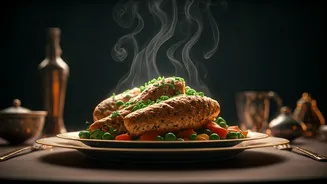
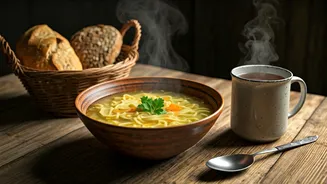
What does “comfort food” even mean in 2024? It’s not just about heavy, cheese-laden casseroles (though those are definitely seeing a revival). Today’s comfort is defined by a low barrier to entry and a high probability of success. Think sheet-pan dinners where a protein and vegetables roast together, requiring minimal cleanup. Think dump-and-go slow cooker recipes that promise a warm meal after a long day. It’s less about specific dishes and more about the method. The new comfort food is anything that has a short ingredient list, uses common pantry staples, and doesn’t require you to buy a single-use kitchen gadget or a $15 spice you’ll never touch again. It’s the simple joy of a recipe that just *works* without demanding your entire evening or a chunk of your paycheck.
The Economic Ingredient
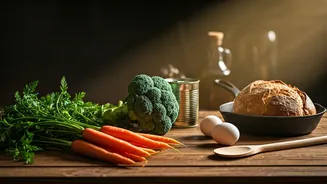
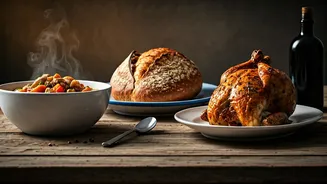
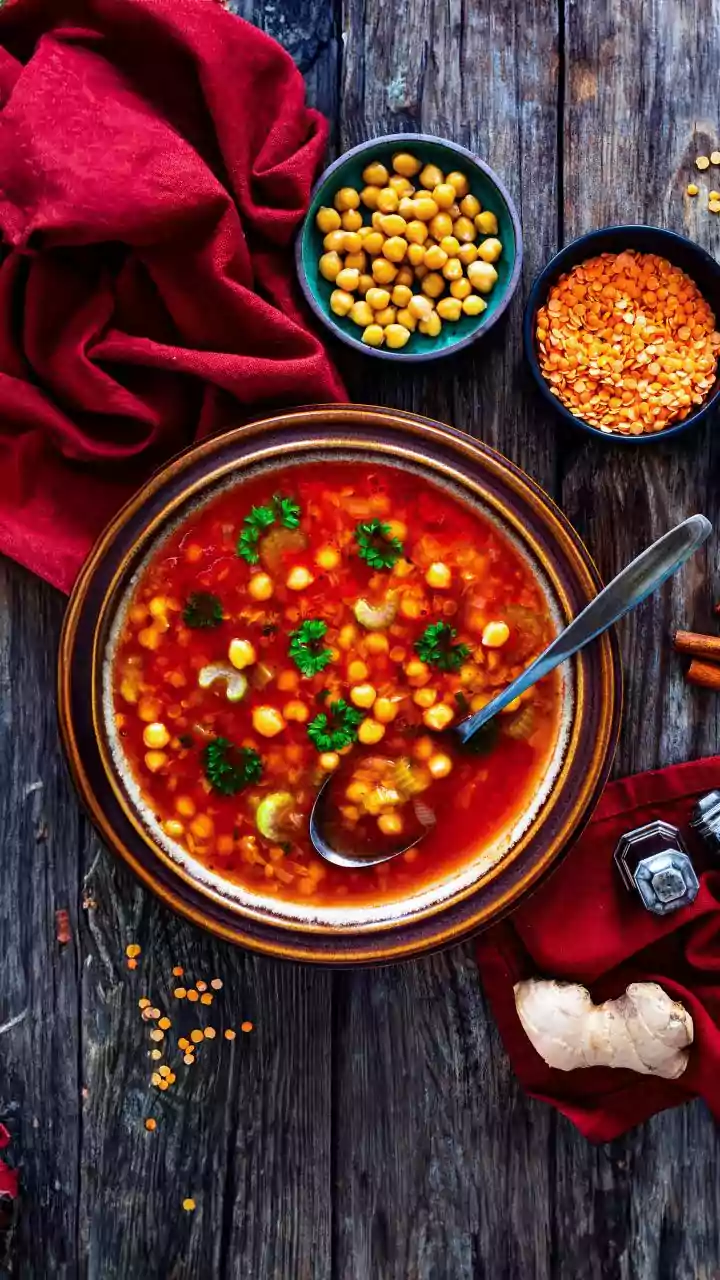
We can’t ignore the elephant in the grocery aisle: inflation. When a carton of eggs or a block of butter carries a hint of sticker shock, the appeal of experimental cooking wanes. Complex recipes often call for specialty ingredients—think saffron threads, preserved lemons, or imported cheeses. These items were once an exciting splurge, but now they represent a financial risk. What if the recipe fails? What if the family hates it? You’ve not only wasted time but also precious grocery money. Comfort food, by contrast, is often rooted in frugal traditions. Lentil soup, roasted chicken, shepherd's pie, and simple pasta dishes are designed to be delicious, filling, and cost-effective. By turning back to these classics, home cooks are making a pragmatic choice to protect their wallets while still putting a satisfying meal on the table.
Nostalgia as an Antidote
Beyond the practicalities of time and money, there's a powerful emotional driver at play. In a world of constant digital noise, political division, and economic uncertainty, nostalgia is a powerful balm. The act of making a dish that reminds you of your childhood—your grandmother’s meatballs, your dad’s chili—is an act of self-care. It’s a way to connect with a simpler time and create a pocket of emotional safety. This isn’t just about personal memory. Trend reports show a renewed interest in “grandpa-core” and recipes from mid-century cookbooks. We’re collectively seeking the familiar, the reliable, the proven. After years of chasing the next new thing, from cronuts to cloud bread, we’re finding that the most satisfying flavor might just be the one we’ve known all along.