





A Festival Marking the Season's Turn
In the United States, we mark the sun’s movement with solstices and equinoxes. But in India, the Vedic astrological calendar charts the sun’s journey through the zodiac with twelve transitions called Sankrantis. One of the most significant is Mithuna
Sankranti, which occurs in mid-June. It marks the sun’s entry into Mithuna, the zodiac sign of Gemini, signaling the official end of the scorching summer heat and the welcome arrival of the monsoon season. Celebrated primarily in the eastern state of Odisha, where it’s part of a multi-day festival called Raja Parba, this is a moment of profound importance. It’s a celebration of the earth’s fertility, a time for rest before the agricultural season kicks into high gear, and a cultural touchstone centered on community, nature, and, of course, food.
The Heart of the Celebration: Poda Pitha
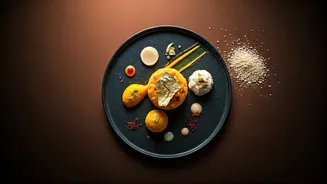
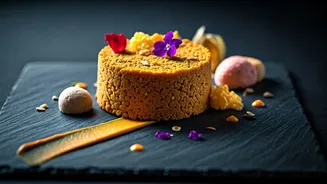
The undisputed star of Mithuna Sankranti is a dish called Poda Pitha. The name literally translates to “burnt cake,” which sounds rustic but belies its delicious complexity. Imagine a dense, moist, and slightly smoky cake made from a batter of fermented rice and lentils, sweetened with rich, unrefined jaggery, and studded with fresh coconut, cashews, and aromatic spices like cardamom and ginger. Traditionally, this batter is wrapped in banana or sal leaves and slow-cooked for hours, often buried in the embers of a dying fire or in a clay oven. The result is a cake with a caramelized, almost-burnt crust on the outside and a soft, pudding-like texture on the inside. It’s the kind of soulful, time-intensive food that’s intrinsically tied to the feeling of home and celebration. Making Poda Pitha isn’t just cooking; it’s an event, a ritual passed down through generations.
From Earthen Ovens to Digital Ovens
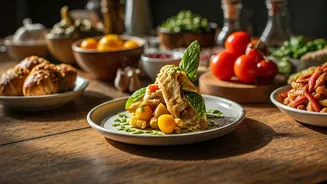
This is where the ancient tradition gets its 21st-century update. While the image of a cake baked in embers feels worlds away from a pristine Instagram grid, the two are merging in fascinating ways. As the Indian diaspora has spread across the globe, so have its traditions. For many first- and second-generation Americans of Odia heritage, Mithuna Sankranti is a way to connect with their roots. Without access to clay ovens or open fires, they’ve adapted. Social media platforms like Instagram, YouTube, and food blogs are now filled with modern interpretations of Poda Pitha. You’ll find recipes adapted for conventional ovens, pressure cookers, and even microwaves. The form is also changing. Instead of one large cake, cooks are experimenting with Poda Pitha cupcakes for easy sharing or infusing the classic batter with new flavors like chocolate or orange zest. It's a beautiful act of culinary translation.
More Than Just a Recipe
These online posts are about far more than just updating a recipe. They are a digital archive of cultural memory. A home cook in New Jersey sharing a photo of her perfectly browned Poda Pitha is also sharing a story about her grandmother, a piece of her heritage, and an invitation for others to learn. The comment sections bloom with shared nostalgia, questions from those new to the tradition, and tips for getting the texture just right. For a generation that may not have grown up with the festival as a central part of their lives, seeing it celebrated so vibrantly online makes it accessible and relevant. It transforms a distant cultural event into a tangible, delicious project they can undertake in their own kitchen, forging a connection to their identity one slice of cake at a time. It’s proof that tradition isn’t a static relic; it’s a living conversation that evolves with its people.