



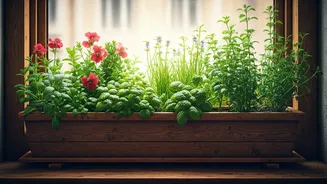


1. Culinary Herbs for Daily Flavor
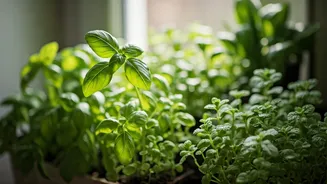
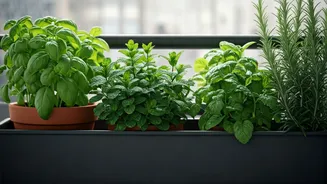
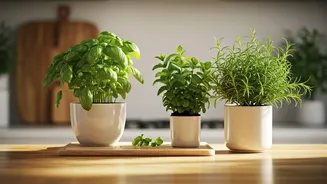
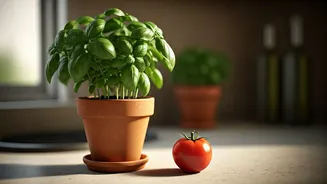
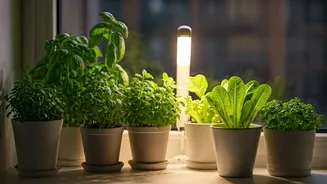
Forget paying $4 for a plastic clamshell of basil that wilts in two days. Many essential cooking herbs can thrive indoors without direct sun, especially with a little help. Mint is famously aggressive and will grow almost anywhere. Chives, parsley, and cilantro
are also excellent candidates. While they prefer sun, they can produce a respectable harvest in shadier conditions or under a simple grow light. Keep them in small pots on a kitchen counter or a windowsill that gets any ambient light. The key is consistent watering and harvesting often to encourage new growth. A pot of fresh mint is perfect for mojitos or tea, while chives can elevate scrambled eggs instantly.
2. Cut-and-Come-Again Salad Greens
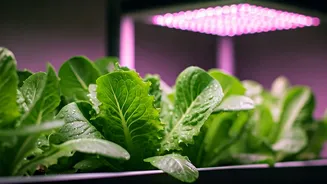
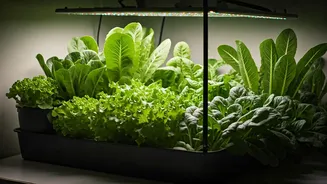
Imagine snipping fresh lettuce for a side salad just moments before dinner. This is achievable even in a dim space. Loose-leaf lettuce varieties (like 'Black Seed Simpson'), arugula, and spinach are surprisingly adaptable. They don’t need the intense, direct sun that head lettuces do. You can grow them in a rectangular window box or a shallow, wide pot. The best part is their “cut-and-come-again” nature. By snipping the outer leaves and leaving the central growth point intact, you can get multiple harvests from the same plants over several weeks. It’s a continuous supply of fresh, nutrient-dense greens without a trip to the store.
3. Hardy (and Healing) Succulents
When we say 'useful,' it doesn’t just mean edible. Some of the most practical plants to have on hand are medicinal. Aloe vera is a prime example. This hardy succulent requires very little light and is famously forgiving if you forget to water it. A small aloe plant on a bookshelf can be a lifesaver for minor kitchen burns or sunburns. Just snip off a piece of a mature leaf and apply the cool gel directly to the skin. Other low-light succulents, like the snake plant, are also incredibly useful as natural air purifiers, filtering common household toxins from the air. They add a sculptural, modern look while quietly working to make your home healthier.
4. Alliums from Your Kitchen Scraps
This is the ultimate low-effort, high-reward project. You can regrow scallions (green onions) and garlic greens with nothing more than a glass of water. The next time you buy scallions, chop off the green tops for your meal but save the white root ends (about an inch long). Place them root-down in a shallow glass of water on a windowsill or counter. Within days, you’ll see new green shoots emerge. You can snip what you need and they will continue to grow for several cycles. The same works for a garlic clove that has started to sprout; plant it in a small pot of soil and you'll get tasty garlic greens, which have a milder flavor than the bulb and are great in salads and stir-fries.
5. The Secret Weapon: Modern Grow Lights
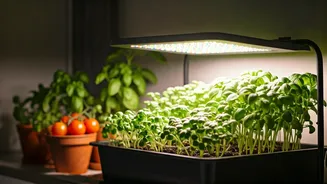
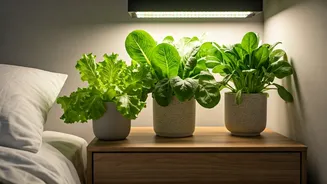
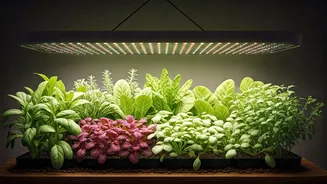
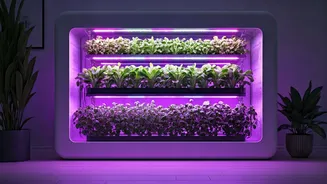
Here’s the real reason 'finally' is in the headline. The technology of indoor grow lights has become incredibly affordable, stylish, and effective. Forget the bulky, humming, purple-hued contraptions of the past. Today’s full-spectrum LED lights mimic natural sunlight and can be found as simple screw-in bulbs, sleek under-cabinet strips, or elegant standalone lamps that blend into your decor. A single LED grow bulb in a cheap desk lamp can be enough to turn a dark corner into a thriving herb garden. These lights are energy-efficient and don't produce much heat, making them safe for small spaces. They are the game-changer that makes all of the above possible, turning any apartment into a potential garden.