


Moving Past the Monolith
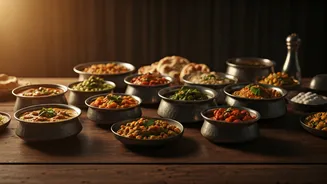
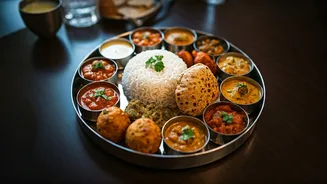
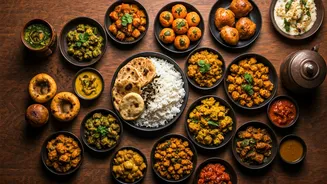
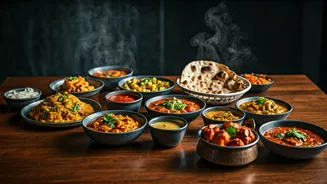
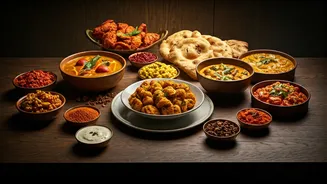
Let’s be honest: for most Americans, the Indian restaurant experience has long been a predictable one. You’d find a menu dominated by Punjabi and Mughlai dishes—rich, creamy, and comforting classics like butter chicken, palak paneer, and naan bread. While
delicious, this narrow selection created a monolithic idea of what constitutes 'Indian food.' It's akin to suggesting all American cuisine is just burgers and fries. This homogenization is largely a historical accident, a result of the first wave of Indian immigrants to the West, who primarily came from the Punjab region and established restaurants serving the food they knew. This led to the global dominance of dishes that were often adapted for Western palates, like chicken tikka masala—a dish famously invented not in Delhi, but in Great Britain. This wasn't a malicious deception; it was a business decision. Restaurateurs served what was popular and accessible. But in doing so, the immense diversity of a subcontinent with dozens of distinct culinary traditions, languages, and cultures was flattened into a single, marketable brand. The subtle, sour, and spicy flavors of the south, the delicate seafood of the coasts, and the fermented ingredients of the northeast were left almost entirely off the menu.
A Map of Authentic Flavors
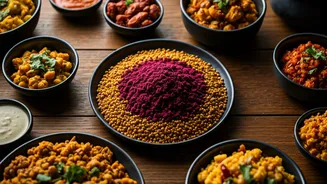
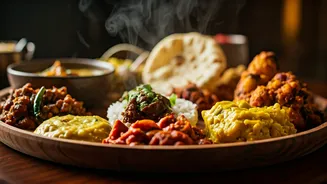
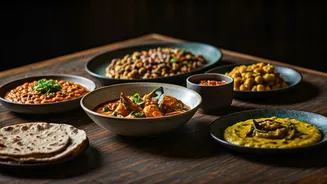
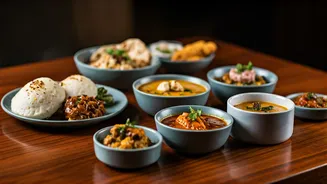
So what does 'regional' Indian food actually taste like? It’s a vibrant, complex map of flavors. Head south to Kerala, and you’ll find dishes built around coconut, tamarind, and black pepper, with delicate rice-flour appam pancakes used to sop up fragrant seafood stews. In Bengal, to the east, mustard oil provides a pungent base for fish curries like macher jhol, and the five-spice blend known as panch phoron gives everything a unique, aromatic kick.
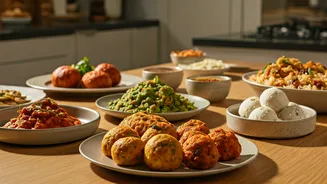
Travel west to Gujarat, and you’ll encounter a predominantly vegetarian cuisine that masterfully balances sweet, sour, and spicy notes in dishes like dhokla (a savory steamed cake) and thepla (spiced flatbread). And in the often-overlooked northeastern states, you’ll find a world of fermented bamboo shoots, fiery ghost peppers, and pork dishes that share more culinary DNA with Southeast Asia than with North India. This isn't just a different set of spices; it’s a completely different philosophy of cooking, shaped by local agriculture, climate, and history. It’s this specificity that is finally breaking through.
The Chefs Leading the Charge
This shift isn’t happening by accident. It’s being driven by a new generation of chefs, many from the Indian diaspora, who are cooking with a sense of mission. In New York City, Chintan Pandya's restaurant Dhamaka became a phenomenon by serving what he calls 'unapologetic' Indian food, focusing on provincial dishes rarely seen in the U.S. In London, Asma Khan of Darjeeling Express earned global fame (and a spot on *Chef’s Table*) by serving the Bengali and Mughlai food she grew up with, cooked by an all-female kitchen of home cooks.
These chefs are storytellers, using their menus to share personal histories and reclaim culinary identities. They are rejecting the pressure to tone down spices or conform to Western expectations. Instead, they’re banking on the idea that today's diners are more adventurous and curious than ever before. They are serving food that is fiercely, proudly specific—and they are being rewarded with critical acclaim, loyal followings, and a central role in the global food conversation.
Why Now? The Perfect Storm
Several forces have converged to make this moment possible. First, the American palate has evolved. Decades of exposure to Thai, Vietnamese, and regional Mexican cuisines have made diners more receptive to complex, spicy, and funky flavors. Second, social media has become a powerful tool for discovery. A beautifully photographed plate of a rare regional dish on Instagram can generate more buzz than a traditional restaurant review, allowing chefs to bypass old gatekeepers.
Finally, there's a powerful cultural element at play. For many second- and third-generation members of the Indian diaspora, embracing and promoting the specific foods of their heritage is an act of cultural pride. It’s a way of pushing back against a simplified, often colonial-era narrative and presenting a more authentic and nuanced version of their culture. It’s a declaration that Indian food isn’t just one thing—it’s a thousand different things, and each one deserves to be celebrated.