
The Burnout from 'Performative' Wellness
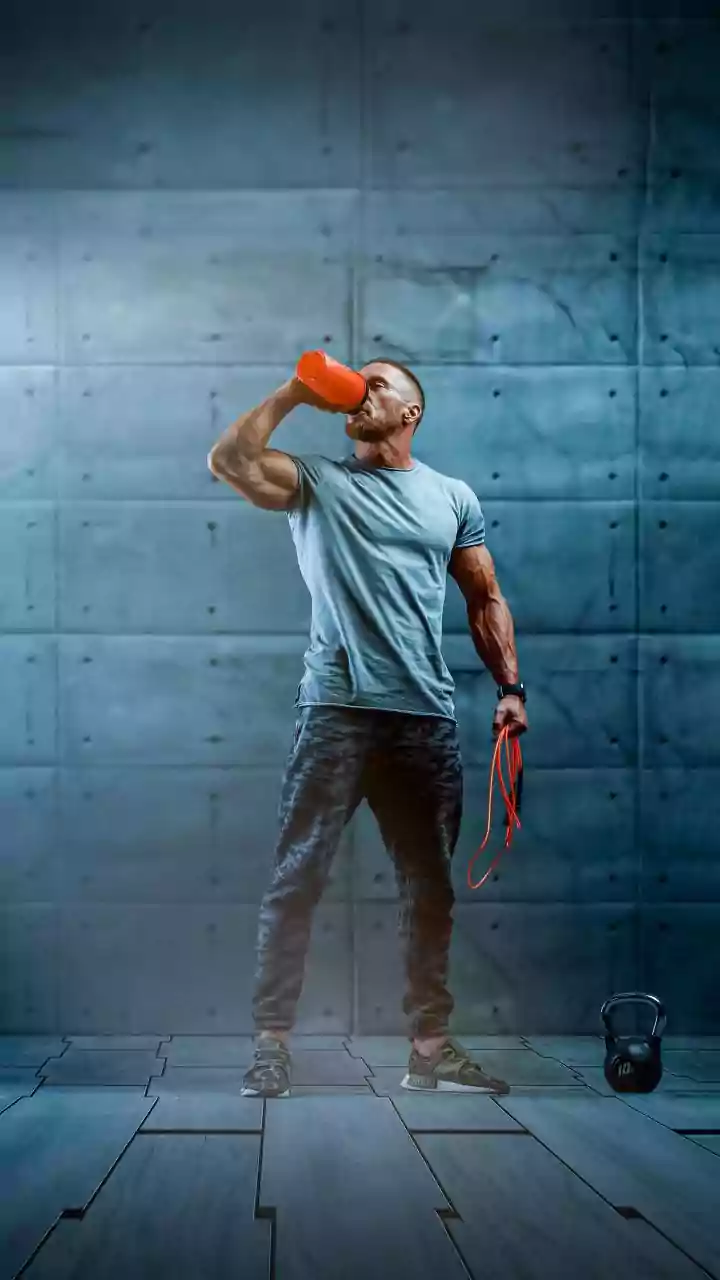
Remember the peak wellness era of the 2010s? It was defined by intensity and acquisition. Your status was measured by your Peloton streak, the exclusivity of your yoga studio, or the complexity of your supplement regimen. Wellness wasn’t just about feeling
good; it was about performing well, and proving it on social media. This 'hustle culture' approach to health created a landscape of expensive, high-effort solutions that, for many, led to exhaustion, not equilibrium. The pressure to constantly optimize—to biohack your body and life—left people feeling like they were failing if they weren't doing 'enough.' That model, built on the idea that wellness is something you achieve through relentless effort and spending, has finally reached its breaking point. People are tired of the noise, the cost, and the feeling that their own well-being is another item on an ever-growing to-do list.
From Grinding to Grounding
In place of the 'grind and grow' mentality, a new philosophy is taking hold, often referred to as 'soft wellness' or 'slow wellness.' This approach champions the opposite of its predecessor: less striving, more being. It reframes wellness not as a peak to be conquered but as a foundation to be maintained. The new pillars aren't exotic superfoods or grueling workouts, but the unglamorous, essential basics our bodies have always needed. Rest is no longer seen as laziness but as a critical component of mental and physical health. Gentle movement, like walking or stretching, is celebrated over punishing exercise. The focus has shifted from external validation to internal balance, prioritizing feeling genuinely good over looking like you’re doing all the right things. It’s a quiet rebellion against the commodification of self-care, suggesting the most powerful wellness tools might not be for sale at all.
Why Water Is the New Status Symbol
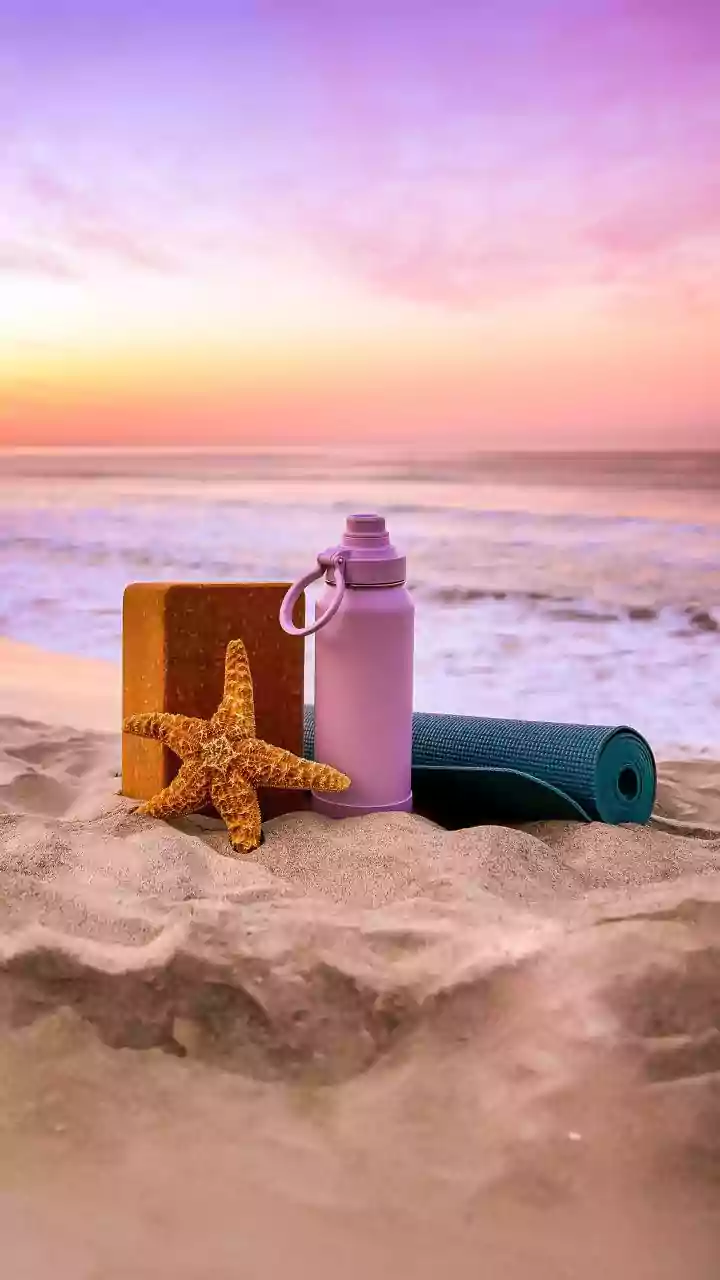
Nothing illustrates this shift better than the cultural ascendancy of water. The simple act of hydration has been elevated into a full-blown lifestyle movement, symbolized by the viral popularity of oversized, insulated tumblers like the Stanley cup. Carrying a 40-ounce water bottle has become a statement of intent: 'I am taking care of myself in the most fundamental way.' It’s a passive, consistent act of self-care that runs counter to the short, intense bursts of effort previously prized. This trend is supported by an ecosystem of hydration-focused products, from electrolyte powders and flavored water enhancers to apps that track your intake. While consumerism is still present, the core activity is accessible to everyone. It represents a move toward visible, low-effort wellness that prioritizes consistency and basic bodily function over expensive, high-intensity fads.
The Booming Recovery Economy
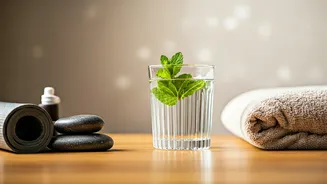
As the focus moves from performance to recovery, a new market has emerged to meet the demand. This isn’t about pushing harder; it's about healing smarter. The 'recovery economy' is booming, with services and products designed to help the body and mind rest and repair. Think of the proliferation of infrared sauna studios, stretch labs, and cold plunge facilities, which offer passive recovery experiences. At home, the trend manifests in advanced sleep-tracking technology (like the Oura Ring), high-tech massage guns, and a renewed interest in low-tech solutions like foam rolling and magnesium supplements. Companies are realizing that consumers are willing to invest just as much in winding down as they once were in ramping up. This commercial pivot validates the cultural shift, proving that rest and recovery are no longer afterthoughts but the main event in modern wellness.