





Meet the Unsung Hero: Horse Gram
Its name isn’t glamorous, but its credentials are. Horse gram (Macrotyloma uniflorum), known as kulthi in Hindi and kollu in Tamil, is a small, resilient legume that has been a staple in rural and southern parts of India for centuries. Its English name comes
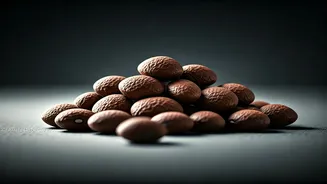
from its traditional use as a nutrient-dense feed for horses and cattle, a testament to its stamina-boosting properties. These small, reddish-brown, and slightly flattened seeds are one of the most protein-rich lentils on the planet, yet they remain largely absent from the average Indian-American pantry. While chana and moong dal are household names, kulthi is the quiet workhorse waiting for its moment in the spotlight.
A True Nutritional Powerhouse
The “high-protein” claim in the headline isn’t just marketing fluff. Horse gram is a nutritional giant. On average, it contains about 22-24 grams of protein per 100-gram serving, putting it on par with, or even above, popular choices like chickpeas. But its benefits don't stop there. It's an excellent source of dietary fiber, which aids digestion and promotes satiety, making it a great addition to a balanced diet. Furthermore, it's packed with essential minerals that are often low in modern diets. It’s particularly rich in iron, crucial for preventing anemia; calcium, vital for bone health; and phosphorus. This dense nutritional profile made it a survival food in ancient times, and it’s precisely what makes it relevant for health-conscious cooks today.
An Earthy, Robust Flavor Profile
If you’re expecting the mild, accommodating flavor of a red lentil, you’re in for a surprise. Horse gram has a distinct personality. It boasts a deep, earthy, and slightly smoky flavor with a nutty undertone that stands up beautifully to strong spices. It’s less of a blank canvas and more of a bold statement ingredient. This robust character is what makes it so special. It doesn’t get lost in a complex curry; it defines it. When cooked, the legumes hold their shape well, providing a satisfying, hearty texture that’s a welcome change from softer, mushier dals. Think of it as the cabernet of legumes—complex, full-bodied, and memorable.
How to Unlock Its Potential
Horse gram requires a bit more preparation than your average lentil, but the payoff is worth it. Due to its tough outer shell, soaking is non-negotiable. Rinse the legumes thoroughly and soak them in ample water for at least 6-8 hours, or preferably overnight. This step not only softens them but also helps reduce phytic acid, making their abundant nutrients more bioavailable. After soaking, discard the water and pressure cook them. This is the most efficient method; a pressure cooker can turn the tough seeds tender in about 20-30 minutes (after the first whistle, on low heat). If you don't have one, you can boil them on the stovetop, but be prepared for a much longer cooking time—upwards of an hour or more.
Simple Ways to Get Started
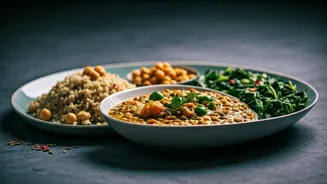
Ready to try it? Start simple. The most common preparation is a straightforward dal or a soup. For a simple Kulthi ki Dal, pressure cook the soaked beans until tender. Mash some of them to thicken the gravy, then prepare a tadka (tempering) of ghee, cumin seeds, garlic, and dried red chilies to pour over the top. Another classic is Kollu Rasam, a peppery, tamarind-based South Indian soup that’s both a comforting food and a home remedy for colds. The earthy legume broth is infused with black pepper, garlic, and coriander. You can also sprout horse gram for a crunchy, nutritious addition to salads or use the cooked beans in hearty stews and vegetable curries.