




The Old Flex: Shock and Awe
For decades, the fitness world’s most powerful currency was the dramatic 'before and after' picture. It was a story told in two images: one showing a person at their perceived 'worst,' the other at their triumphant 'best.' The narrative was simple and brutal:
suffering leads to success. This was the era of extreme diets, 'no days off' workout plans, and a relentless focus on the number on the scale. The flex wasn't just losing weight; it was losing it *fast*. It was about deprivation, discipline, and a short-term, all-out war on your own body. Social media feeds were a testament to this grind, filled with images of shredded abs, punishing HIIT sessions, and meal preps that looked more like science experiments than food. The unspoken message was that your worth was directly tied to your ability to endure misery for a rapid, visible result.
The New Flex: Slow and Steady Wins
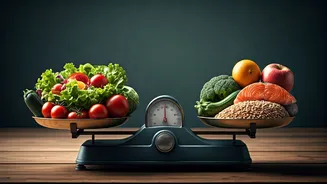
Today, that currency is losing its value. The new flex is sustainability. It’s less about a shocking reveal and more about a quiet, unshakeable consistency. This isn't about giving up on goals; it's about reframing them entirely. Instead of celebrating a 30-pound loss in 30 days (often a recipe for rebound), the new admiration is for the person who has maintained a healthy lifestyle for years. The flex is no longer the sprint; it’s the marathon you actually enjoy running. It's telling a friend you've been walking 10,000 steps a day for the last two years. It's having the energy to play with your kids without getting winded. It’s choosing a salad because you genuinely crave it, not because you have to. This approach prioritizes long-term well-being over short-term aesthetics, and in a culture burnt out on hustle, that’s a radical act.
Why the Cultural Shift?
This change didn’t happen in a vacuum. It’s a direct backlash against the toxic side of wellness and diet culture. People are simply tired. They’re tired of the cycle of restriction and binging, of yo-yo dieting that leaves them metabolically and emotionally worse off. There's a growing awareness that many extreme diets are not just physically unsustainable but mentally damaging, often promoting disordered eating patterns under the guise of 'health.' Furthermore, the body positivity and body neutrality movements have empowered people to question the very premise of shrinking themselves to fit a narrow ideal. We’ve collectively realized that health is multifaceted. It includes mental peace, restful sleep, and social connection—all things that crash diets tend to destroy. The pandemic also played a role, shifting focus from looking good at the gym to feeling good in our own homes, day in and day out.
What Sustainable Looks Like in Practice
So, what does this new 'flex' look like on a daily basis? It's less about rules and more about principles. It’s the 'addition, not subtraction' mindset: instead of cutting out carbs, you focus on adding more fiber and protein. Instead of forcing a brutal workout you hate, you find a form of movement you genuinely love, whether that’s dancing, hiking, or team sports. Success is measured in 'non-scale victories.' Can you lift a heavier weight than you could last month? Is your sleep quality improving? Do you feel more energetic in the afternoons? Are your annual bloodwork numbers getting better? This approach focuses on building a foundation of healthy habits—one small, almost unnoticeable change at a time. It’s about being the person who brings a healthy dish to the potluck not out of obligation, but because it’s simply part of who they are now.