








The End of the Cereal Aisle's Reign
For decades, the American morning routine was synonymous with carbohydrates. A bowl of cereal, a piece of toast with jam, or a stack of pancakes represented a quick, easy start to the day. But a seismic shift in nutritional thinking has begun to dismantle
that tradition. The low-fat craze of the '80s and '90s has given way to a new villain in the wellness narrative: sugar. Consumers are increasingly wary of the sugary cereals and refined grains that can lead to a mid-morning energy crash. This growing skepticism, fueled by diet trends like keto and paleo, has created a vacuum. As shoppers walk past the brightly colored cereal boxes, they're looking for something that promises sustained energy and aligns with modern health goals—and protein is filling that void.
The Power of Feeling Full
One of protein's biggest selling points is satiety—the feeling of being full and satisfied after a meal. Unlike a carb-heavy breakfast that can leave you hungry in an hour, a protein-rich meal digests more slowly, helping to regulate appetite and prevent mindless snacking throughout the day. This isn't just a feeling; it's a key reason people are making the switch. In a culture obsessed with productivity and efficiency, a breakfast that keeps you focused and energized until lunch is a powerful proposition. Brands have capitalized on this, with marketing that emphasizes protein's role in building muscle, managing weight, and providing 'long-lasting energy.' The message is clear: start your day strong, and you’ll win the day. For millions of Americans, that starts with choosing eggs over a bagel.
Convenience Gets a Protein Makeover
While eggs have always been a protein staple, the modern breakfast boom is driven by convenience. Today’s consumer doesn't always have time to scramble eggs or cook bacon. The food industry has responded with an explosion of grab-and-go options that deliver a protein punch without the prep work. Greek yogurt, with double the protein of its traditional counterpart, became an early hero. It was soon followed by protein bars disguised as breakfast, ready-to-drink meal-replacement shakes, and frozen egg bites that can be microwaved in seconds. Even traditional categories are being reinvented, with protein-fortified pancake mixes, oatmeal, and waffles appearing on shelves. This marriage of nutrition and convenience is the trend's true engine, making a high-protein breakfast accessible even on the most frantic weekday morning.
The Industry Push Behind the Plate
This consumer shift isn't happening in a bubble; it's being actively encouraged and accelerated by the food and beverage industry. Seeing the decline in cereal sales, companies like General Mills and Kellogg's have pivoted, launching or acquiring brands that cater to the protein-hungry consumer. The dairy aisle has transformed, with cottage cheese—once a dated diet food—making a massive comeback thanks to its high protein content and viral social media recipes. Fast-food chains have also joined in, promoting breakfast sandwiches with double the meat or highlighting the protein count in their egg-based offerings. From the grocery store to the drive-thru, the message is ubiquitous. This constant reinforcement normalizes the idea of a protein-centric morning and makes it easier than ever for consumers to make the switch.
Is It a Health Halo?
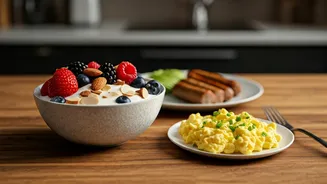
While the benefits of starting the day with protein are well-documented, nutrition experts caution against a 'more is always better' mindset. The focus on a single macronutrient can sometimes create a 'health halo,' where highly processed foods like protein bars laden with sugar alcohols and artificial ingredients are perceived as healthy simply because of their protein content. A balanced breakfast that includes fiber from whole grains, fruits, and healthy fats is still considered the gold standard by many dietitians. The ideal high-protein breakfast isn't necessarily a chalky shake or a dense bar, but rather whole foods like eggs, Greek yogurt with berries, or cottage cheese with fruit. The trend is positive in that it moves Americans away from empty-calorie, high-sugar starts, but the key is to choose high-quality protein sources as part of a well-rounded meal.