





Go Beyond Simple Hydration
The advice to “drink more water” is a starting point, not a complete strategy. Heat-aware training begins hours before you even start sweating. Pre-hydration is key, which means sipping water consistently throughout the day, not chugging a bottle right
before your run. During exercise, especially sessions longer than an hour, your body loses more than just water; it sheds critical electrolytes like sodium and potassium. These minerals are essential for muscle function and fluid balance. Plain water alone can sometimes dilute the electrolytes you have left. To combat this, consider alternating water with a sports drink or an electrolyte supplement, especially in high humidity when sweat doesn't evaporate efficiently to cool you down. After your workout, continue to rehydrate to replace the fluids you’ve lost.
Time Your Workouts Strategically
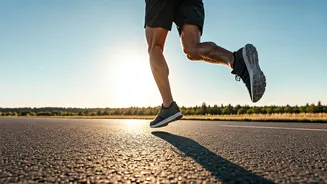
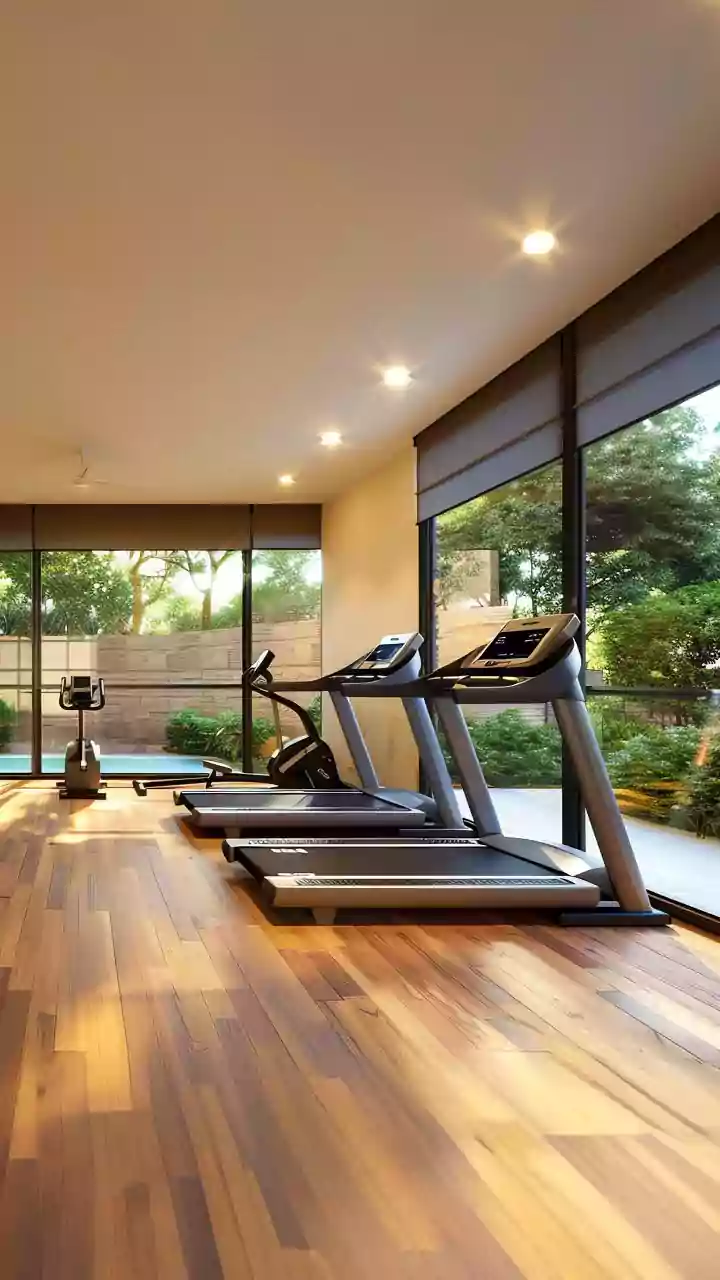
One of the simplest yet most effective changes you can make is to become an opponent of the sun. The most intense solar radiation and highest temperatures typically occur between 10 a.m. and 4 p.m. Shifting your workouts to the early morning or later evening hours dramatically reduces your heat exposure and risk of exertional heat illness. Before you head out, check not just the temperature but also the Air Quality Index (AQI) and the UV Index. High humidity can be even more taxing than dry heat because it prevents sweat from evaporating, short-circuiting your body’s natural cooling system. On dangerously hot or humid days, recklessness is trying to tough it out. Wisdom is taking your workout indoors to a gym, trying a lower-intensity activity like swimming, or simply taking a rest day. Your fitness journey is a marathon, not a sprint; one missed workout is better than a trip to the emergency room.
Listen to Your Body, Not Your Ego
Modern fitness is about being in tune with your body’s signals, not ignoring them. It’s crucial to distinguish between the discomfort of a challenging workout and the warning signs of heat-related illness. Feeling hot and sweaty is normal. Feeling dizzy, lightheaded, nauseous, or suddenly getting chills or goosebumps in the heat is not. These are early indicators of heat exhaustion. Other red flags include a headache, excessive fatigue that feels disproportionate to your effort, and muscle cramps. If you experience any of these, the only correct move is to stop immediately. Find a cool, shaded spot, drink cool fluids (ideally with electrolytes), and rest. Pushing through these symptoms can lead to heat stroke, a life-threatening condition where your body’s core temperature rises to dangerous levels.
Dress for Cooling Success
Your clothing is your first line of defense against the heat. The old cotton t-shirt that gets heavy and soaked with sweat is your enemy in the summer. Instead, opt for lightweight, loose-fitting apparel made from moisture-wicking synthetic fabrics like polyester or nylon. These materials pull sweat away from your skin and allow it to evaporate, which is the mechanism that cools your body. Color also matters. Light-colored clothing reflects the sun’s rays, while dark colors absorb them, adding to your heat load. Don’t forget a hat or visor to shield your face and a pair of UV-blocking sunglasses to protect your eyes. It’s a simple gear change that makes a significant difference in how your body manages thermal stress.
Acclimatize, Don't Just Endure
Your body is an amazing machine capable of adapting to a wide range of conditions, including heat. But this adaptation, known as heat acclimatization, requires a gradual process, not a sudden shock. If you’ve spent months exercising in a climate-controlled gym, you can’t expect to go out and perform at your peak on the first 90-degree day. Experts recommend taking one to two weeks to safely acclimatize. Start with shorter, less intense workouts in the heat and progressively increase the duration and intensity. This process allows your body to make physiological adjustments, such as sweating more efficiently and increasing blood plasma volume, which helps stabilize your cardiovascular system under heat stress. This measured approach is the hallmark of a smart, sustainable fitness plan.