


From Monsoon to Muggy Summer
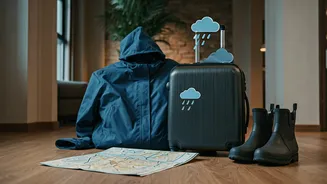
While the term “monsoon” might bring to mind the intense rainy seasons of South Asia, the core environmental conditions are familiar to many Americans. Think of a sweltering East Coast heatwave, a sticky Florida afternoon, or a humid Gulf Coast summer
day. These periods of high heat combined with heavy moisture create a perfect breeding ground for bacteria, fungi, and other pathogens that can contaminate food. The principles of food safety that apply during a monsoon are just as relevant during any hot, wet, and humid spell, turning a potential comfort food into a source of stomach trouble if you’re not careful.
The Science of Spoilage
Why is humid weather so problematic? Moisture is a key ingredient for microbial growth. When the air is saturated with water vapor, it prevents food surfaces from drying out, allowing bacteria like E. coli, Salmonella, and Staphylococcus to thrive. Fungi and molds also flourish in these damp, warm environments. This isn’t just about food left out in the rain; even in a covered kitchen or at a food stall, the ambient humidity accelerates the spoilage process. Foods that are perfectly safe in dry conditions can become risky much faster when the air itself is heavy with moisture.
Why Fried Foods Are a Special Case
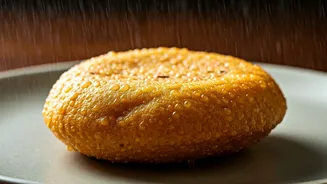
Fried foods carry a unique set of vulnerabilities in this environment. First, there’s the oil. High humidity can accelerate the process of oil going rancid, which not only tastes bad but can also cause digestive distress. Furthermore, street vendors or temporary food stands may be tempted to reuse cooking oil for longer than is safe, and contaminants can build up with each use. Second, consider the batter or coating. Often made from flour, water, and spices, these wet mixtures are an ideal incubator for bacteria if left sitting at room temperature for too long before frying. Finally, many of the core ingredients—like pre-chopped vegetables or potatoes—may be exposed to the humid air for extended periods, gathering contaminants before they even hit the hot oil.
What to Look For When Buying
Being a smart consumer is your first line of defense. When buying fried food from a vendor, fair, or food truck during humid weather, use your senses and a little common sense. Look at the overall cleanliness of the stall. Are surfaces being wiped down? Is the vendor handling money and food with the same hands? Pay attention to the oil. Does it look dark, sludgy, or smoky? That’s a sign it’s old and potentially full of impurities. Notice how the raw ingredients are stored. Are they in clean, covered containers, or are they sitting out in the open air? Ideally, you want to see your food being prepared fresh, not scooped from a large, pre-cooked pile that’s been sitting under a heat lamp for an unknown amount of time.
Tips for Safer Frying at Home
The safest way to enjoy fried treats during a humid spell is to make them yourself. This way, you control every variable. Start with fresh ingredients and high-quality oil with a high smoke point, like canola, peanut, or vegetable oil. Don't let your batter or prepared ingredients sit on the counter; keep them refrigerated until you’re ready to start frying. Use a thermometer to ensure your oil is at the correct temperature (usually 350-375°F), as oil that isn't hot enough will result in greasy, soggy food that has absorbed excess fat. Most importantly, practice good hygiene. Wash your hands and surfaces thoroughly, avoid cross-contamination, and serve the food immediately while it’s hot and crisp.