







The Perfect Storm: Why Now?
For years, the wellness industry seemed synonymous with hundred-dollar yoga pants and expensive superfood smoothies. But two major forces have collided to change the conversation. First, persistent inflation has recalibrated household budgets, making
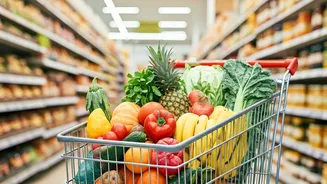
the $15 salad a luxury few can justify. Second, the post-pandemic era has left Americans with a heightened awareness of their health, creating a powerful desire to eat better not just for aesthetics, but for immunity and long-term vitality. This collision of economic necessity and health priority has created a massive demand for something that once seemed like an oxymoron: affordable nutrition. It’s no longer about niche, high-end health food stores. The movement’s epicenter is now in the aisles of discount grocers, in the strategy meetings of private-label brands, and across social media, where creators share budget meal preps instead of lavish restaurant tours.
Meet the New Grocery A-List
The heroes of this new era aren't celebrity chefs; they're the grocery stores and brands that mastered the art of value. Discount chains like Aldi and Trader Joe's, once seen as quirky alternatives, are now mainstream destinations for budget-conscious shoppers who refuse to compromise on quality. Their small-format stores and curated selection of private-label products allow them to offer organic produce, grass-fed meats, and gluten-free options at prices that traditional supermarkets struggle to match. Speaking of private labels, they are the undisputed stars of the show. Brands like Costco's Kirkland Signature, Target's Good & Gather, and Walmart's Great Value have evolved from generic knockoffs into quality-driven lines that often outperform their national brand counterparts. These store brands have invested heavily in offering organic, non-GMO, and plant-based options, democratizing access to foods that were previously confined to specialty shops.
Redefining “Healthy” for Your Wallet
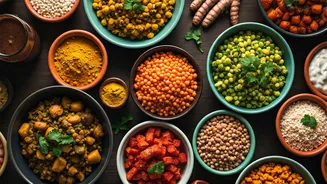
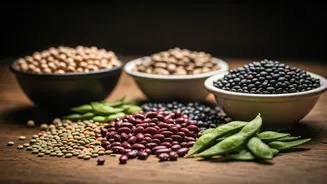
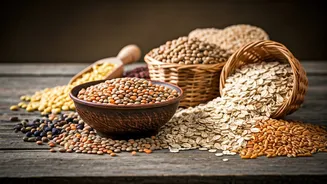
A key part of this moment is a collective unlearning of food snobbery. The idea that healthy food must be fresh, local, and photogenic is giving way to a more practical and inclusive definition. The nutritional powerhouse of the moment isn't an exotic berry from a faraway jungle; it's the humble can of beans. Canned and frozen foods are being recognized not as inferior options, but as brilliant nutritional bargains. Frozen fruits and vegetables are flash-frozen at peak ripeness, locking in nutrients (and sometimes containing more vitamins than fresh produce that has traveled for days). Canned fish like salmon and sardines offer an incredibly cheap and sustainable source of omega-3s. Pantry staples like lentils, oats, brown rice, and quinoa provide complex carbohydrates, fiber, and protein for pennies per serving. This back-to-basics approach celebrates nutrient density and affordability over novelty.
Your Affordable Nutrition Playbook
So, how can you take advantage of this moment? It’s about adopting a new mindset and a few smart strategies. First, plan your meals. A weekly meal plan is the single best tool for preventing impulse buys and food waste. Second, build your shopping list around what's on sale, not the other way around. Be flexible. If bell peppers are expensive this week but broccoli is cheap, swap them in your stir-fry. Third, master unit pricing. The shelf tag that tells you the cost per ounce or per pound is your best friend for identifying true value. A bigger bag of rice might have a higher sticker price but be much cheaper per serving. Finally, embrace cooking from scratch. You don't need to become a gourmet chef, but learning to make your own salad dressings, sauces, and stocks can save a surprising amount of money and cut down on hidden sugars and sodium.