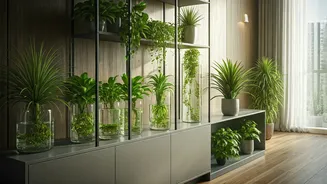


Why Go Soil-Free in the First Place?
Traditional potting soil is wonderful, but it comes with a few well-known downsides, especially indoors. It can be messy, compact over time, and, most annoyingly, harbor fungus gnats and other pests. Soil-free, or hydroponic, methods eliminate these issues
almost entirely. By replacing soil with an inert medium like water, clay pebbles, or even just air, you gain precise control over your plant's environment. This means no more mysterious pests emerging from a bag of potting mix, no dirt spills on your windowsill, and often, a clearer signal of when your plant needs water. For those in compact urban spaces, it’s a game-changer, turning a potentially messy hobby into a clean, minimalist, and highly successful one.
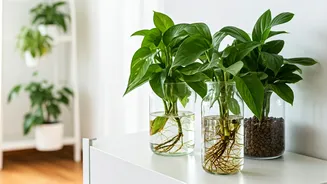
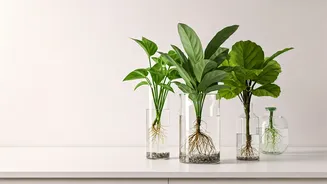
Method 1: Simple Water Culture
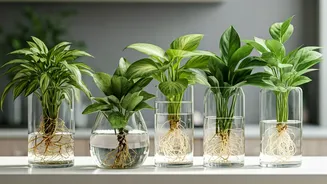
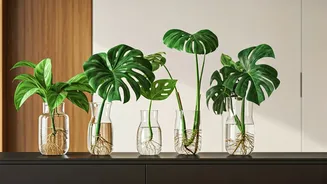
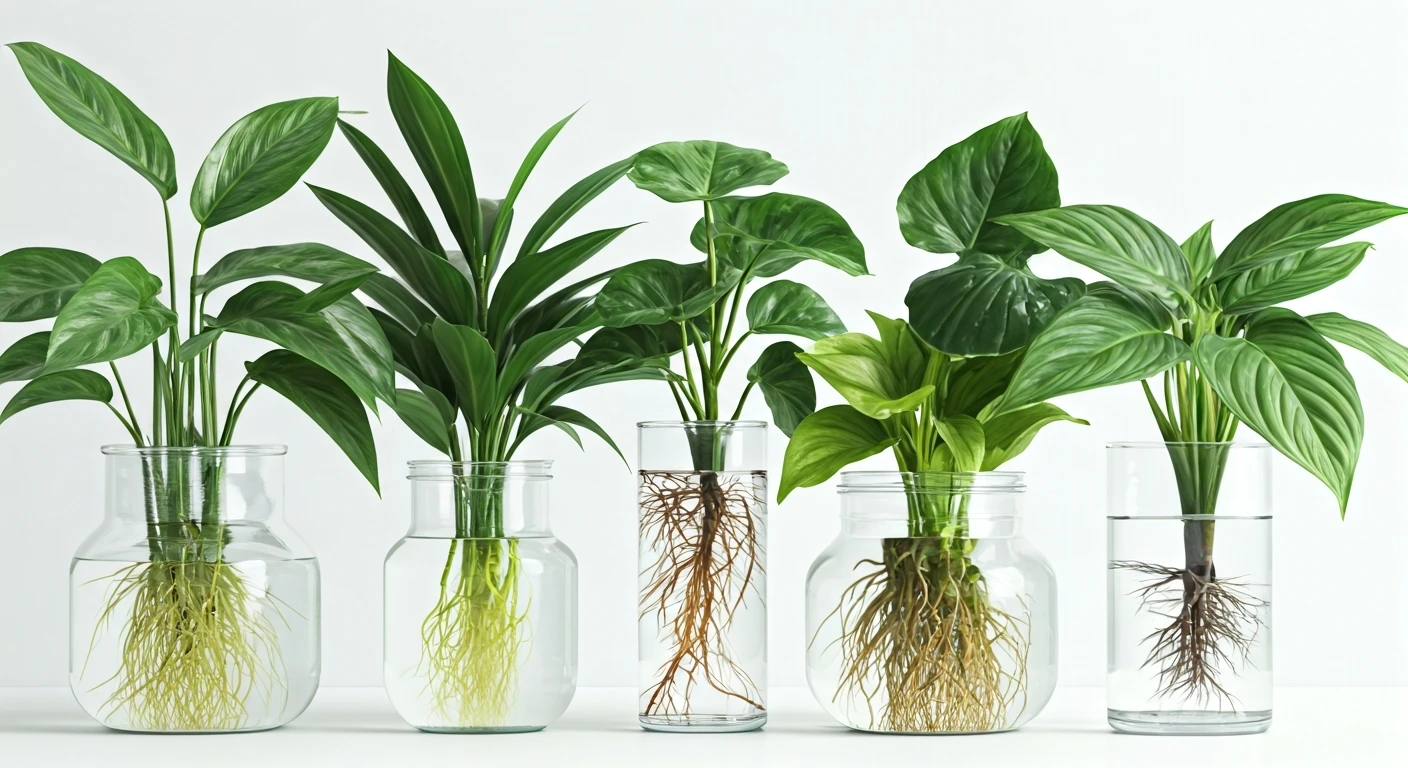
If you’ve ever rooted a plant cutting in a jar of water, you’ve already practiced the most basic form of hydroponics. This method, known as water culture, is perfect for plants that don’t mind having their roots constantly wet, like pothos, philodendrons, and lucky bamboo. All you need is a glass vessel, some water, and a few drops of liquid hydroponic fertilizer every month or so to provide the nutrients that soil normally would. It’s visually stunning—watching the root system develop is a reward in itself—and it’s impossible to over- or under-water. This is the ideal entry point for anyone hesitant about giving up soil, proving that plants can thrive with nothing more than H2O and the right nutrients.
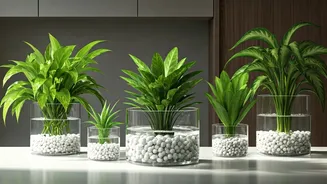
Method 2: LECA (Clay Pebbles)
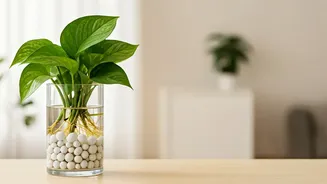
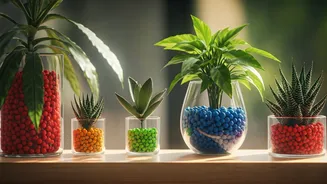
Scroll through any plant-focused social media feed and you’ll see it: plants growing in pristine glass jars filled with what look like little brown marbles. This is semi-hydroponics using Lightweight Expanded Clay Aggregate, or LECA. These porous clay balls absorb a nutrient-water solution from a reservoir at the bottom of the pot and wick it up to the plant’s roots as needed. The benefits are enormous. LECA provides excellent aeration, preventing root rot. It’s also sterile and reusable—just boil it between uses. Because you can see the water level in the reservoir, you know exactly when to refill it, taking all the guesswork out of watering. It’s a clean, efficient, and surprisingly chic way to grow everything from monsteras to orchids.
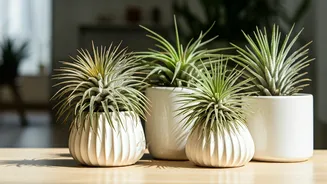
Method 3: Air Plants (Tillandsia)
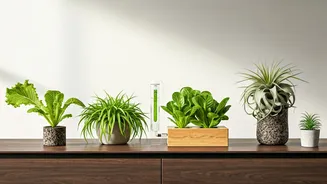
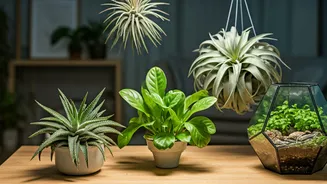
For the ultimate minimalist, there are air plants. These fascinating members of the Tillandsia genus are epiphytes, meaning they grow on other plants in their native habitats, not in soil. They absorb all the water and nutrients they need through specialized scales on their leaves. This makes them the perfect “plant as décor” option. You can place them in a decorative bowl, mount them on a piece of driftwood, or suspend them in a geometric holder. Care is incredibly simple: just soak them in room-temperature water for about 20-30 minutes once a week, let them dry completely, and place them in a spot with bright, indirect light. No pot, no soil, no mess—just a living sculpture.
Method 4: Kokedama (Moss Balls)
If you want something with an artistic, handcrafted feel, consider kokedama. This traditional Japanese art form involves wrapping a plant’s root ball in a special soil mixture, which is then covered in sheet moss and bound with string. The result is a sculptural, self-contained sphere of green that can be placed on a decorative dish or, more popularly, hung from the ceiling. This vertical approach is a brilliant space-saver. While it’s the only method on this list that uses a bit of soil in its core, the moss exterior keeps everything contained. Kokedama turns your plant into a suspended piece of living art, freeing up precious shelf and floor space while adding a unique, organic touch to your home.