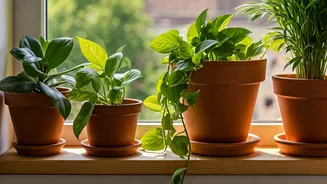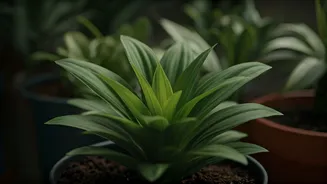





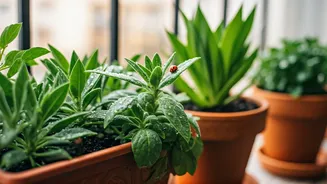
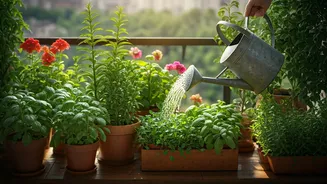
1. Perform a Weekly Health Check
The most powerful tool in your plant care arsenal is your own attention. Obvious damage like widespread yellowing or drooping is a late-stage symptom. Instead, make it a weekly ritual to perform a close-up inspection. Pick up your plant and look *underneath*
the leaves, where pests like spider mites and mealybugs love to hide. Check the nook where the leaf meets the stem. Look at the surface of the soil for any fuzzy mold or tiny insects. Is new growth appearing? Is it a healthy color and shape? Catching a single pest or a slightly off-color new leaf allows you to intervene with a simple wipe-down, rather than a full-blown chemical battle weeks later. Think of it as a wellness check-in, not a search for failure.
2. Water with Intention, Not a Schedule
One of the fastest ways to cause hidden damage is through improper watering. Roots that are constantly saturated can't access oxygen, leading to root rot—a silent killer that you often don't see until the plant's leaves collapse. Conversely, chronically underwatered roots become desiccated and unable to absorb nutrients. The fix is to abandon a rigid schedule like "water every Saturday." Instead, water based on the plant's actual needs. The classic method is best: stick your finger one to two inches into the soil. If it comes out dry, it's time to water thoroughly until it drains from the bottom. If it's still damp, wait. This single habit prevents the foundational stress that makes plants vulnerable to everything else.
3. Think Like a Pest to Beat Them
Pests don't appear out of nowhere; they exploit weaknesses. Proactive care involves making your home a less inviting environment for them. First, always quarantine new plants. Keep any new addition separate from your other plants for two to four weeks to ensure it didn't bring home any unwanted guests. Second, promote good air circulation. Stagnant, humid air is a breeding ground for pests and fungal issues. A small, gently circulating fan can work wonders. Finally, keep your leaves clean. Dust that settles on foliage can stress the plant by blocking light and can also harbor pests. A simple wipe-down with a damp cloth every few weeks keeps them breathing easy and gives you another chance to spot trouble early.
4. Understand Your Plant's Environment
A plant that is struggling with its environment is a stressed plant. Before you ever see a brown, crispy leaf edge, a plant in the wrong spot is working overtime just to survive. That low-light snake plant might tolerate a dark corner, but it won't thrive there. That fiddle-leaf fig might look great next to a drafty window in the summer, but a cold winter breeze will cause it to drop leaves. Take the time to understand where your plant came from. Is it a tropical understory plant that needs high humidity and indirect light? Or a desert succulent that craves bright sun and dry conditions? Matching your home's microclimates to your plant's native conditions is the ultimate preventative medicine.
5. Repot Before It Becomes an Emergency
Waiting until a plant is severely root-bound is another form of waiting for damage. When a plant's roots have completely filled its pot, there is very little soil left to hold water and nutrients. The plant will dry out extremely quickly and may show signs of nutrient deficiency even if you're fertilizing. You don't have to repot constantly, but it's good practice to check the roots once a year. Gently slide the plant out of its pot. If you see more roots than soil, or the roots are circling tightly at the bottom, it's time for a new home. Moving it to a pot that's just one or two inches larger in diameter gives it the room it needs to grow, preventing the stress that comes from being pot-bound.