
The New Probiotic Powerhouse
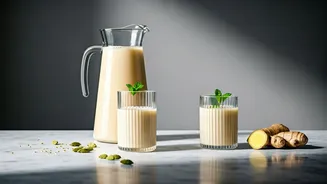
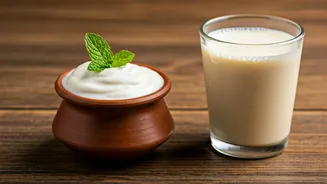
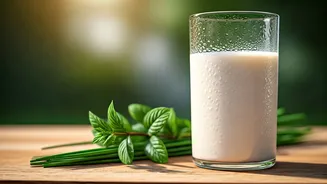
On TikTok and Instagram, influencers are touting buttermilk not as a secret ingredient for fluffy pancakes, but as a gut-health elixir. It’s being positioned as a tart, refreshing, and affordable alternative to kefir or kombucha. Brands are highlighting
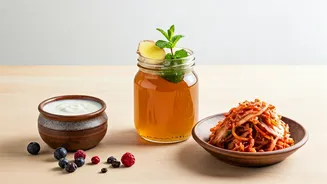
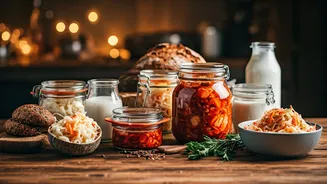
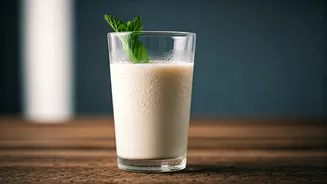
its probiotic content, framing it as a direct path to a balanced microbiome. You’ll see it sipped straight from a chilled glass, blended into “digestive health” smoothies, or used as the base for savory, fermented dips. The aesthetic is clean, minimalist, and far removed from its rustic, down-home origins. It’s the latest example of the wellness industry’s talent for rediscovering and rebranding traditional foods for a new, health-conscious generation.
Not Your Grandma’s Buttermilk (Exactly)
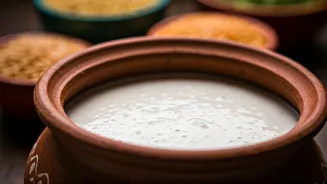
The key to this revival lies in a slight misunderstanding of terms that works in its favor. Historically, “buttermilk” was the thin, non-fat liquid left behind after churning cream into butter. It was naturally tangy and full of good bacteria from the fermentation process, making it a nutritious and thirst-quenching drink on farms where nothing went to waste. It was valued for its protein and calcium, especially in regions like the American South.
Today, the carton you buy in the store is “cultured buttermilk.” It’s made by adding live and active bacterial cultures (similar to those in yogurt) to low-fat milk. While the process is different, the result is nutritionally similar: a probiotic-rich, tangy beverage that delivers on the gut-health promise that modern wellness consumers are looking for. So, while it’s not the literal byproduct of butter-making, it lands in the same healthy ballpark.
A History of Health Halos
This isn’t the first time buttermilk has been seen as a health tonic. In the early 20th century, before the advent of widespread refrigeration and pasteurization, buttermilk was often considered safer to drink than raw milk because its natural acidity inhibited the growth of harmful bacteria. Doctors and health sanitariums, like the famous Battle Creek Sanitarium run by Dr. John Harvey Kellogg, often prescribed buttermilk as a digestive aid. It was seen as a clean, pure, and easily digestible source of nourishment. For decades, it was simply understood to be a wholesome food, long before the term “probiotic” entered the mainstream lexicon. The current trend isn't an invention, but a rediscovery and re-contextualization of buttermilk's long-standing reputation.
From Humble Staple to Status Sip
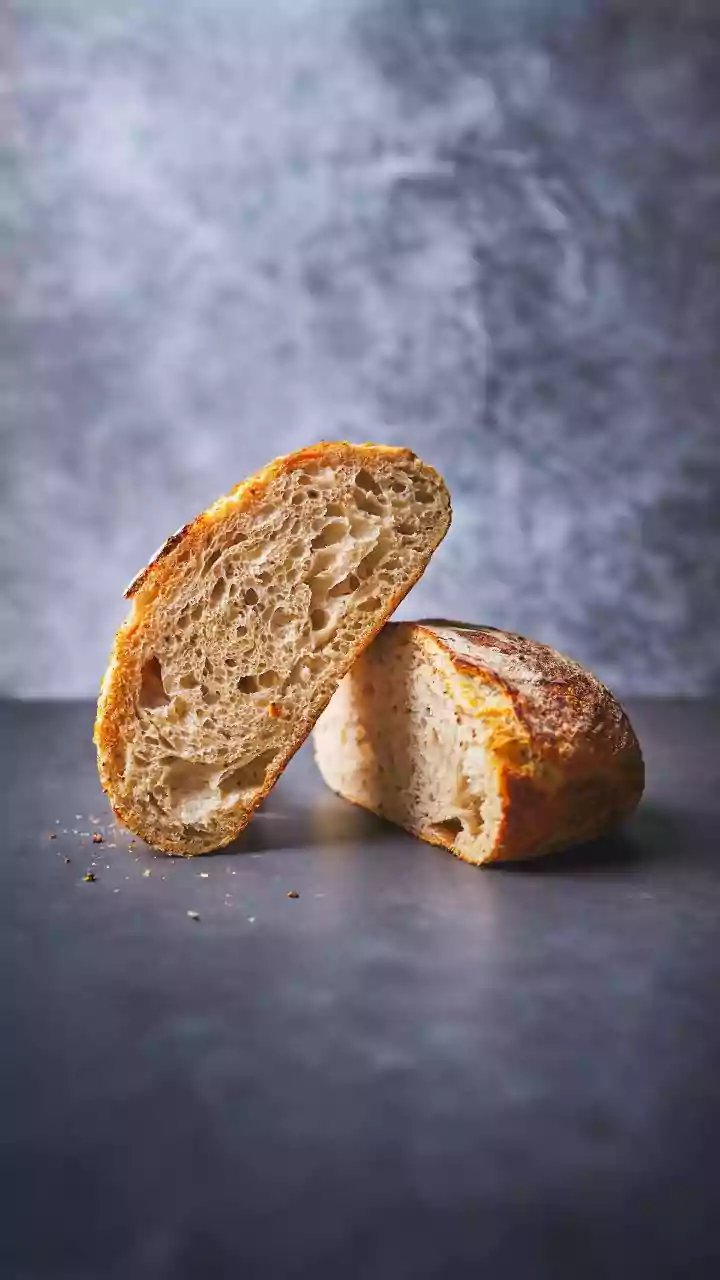
What makes the current buttermilk boom different is the cultural packaging. It’s no longer just a humble ingredient or a simple farm drink. It’s being elevated to the status of a wellness ritual. The narrative has shifted from “this is a cheap, nutritious food” to “this is a bio-hacking tool to optimize your gut.” This cycle is familiar. We saw it with bone broth, apple cider vinegar, and sourdough bread—traditional, often peasant-style foods that are “discovered,” stripped of their original context, and sold back to us as premium wellness solutions.
Buttermilk's appeal lies in its authenticity. In a market saturated with lab-created protein powders and expensive supplements, a simple glass of buttermilk feels grounded and real. It’s a taste of something timeless, even if the marketing is brand new.