


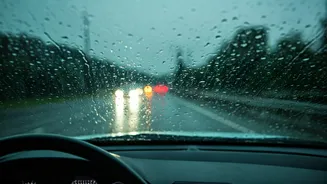


1. Replace Your Wipers—Don't Just Check Them
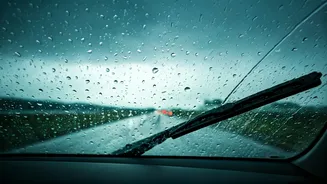
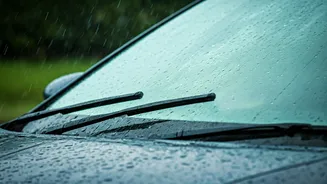
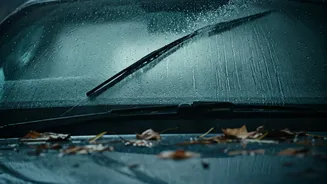
Your windshield wipers have spent months baking in the relentless sun. The rubber is likely cracked, brittle, and useless. Don't make the mistake of waiting for the first downpour to discover they only smear water across your field of vision. Proactive
replacement is the single most important step you can take. When that first wall of rain hits on a dark highway, you need wipers that provide a clear, instant swipe. Opt for a quality set of beam-style blades, which maintain better pressure and are less prone to streaking in heavy rain. Think of it as buying new sunglasses for a storm.
2. Inspect Your Tires for Tread and Pressure
The first rain of the season is notoriously dangerous. It lifts months of accumulated oil, grease, and dust from the asphalt, creating a slick, treacherous surface. Your tires are your only connection to that road. Check your tire pressure when the tires are cold, ensuring they're inflated to the manufacturer's recommended PSI (check the sticker inside your driver's side door jamb). Next, check the tread. The classic trick works: place a penny upside down in the tread groove. If you can see all of Abraham Lincoln's head, your tread is worn too low to effectively channel water, and you're at high risk of hydroplaning. It's time for new tires before the storms roll in.
3. Give Your Brakes a Listen
Driving on wet roads increases your stopping distance. Driving on slick, oily roads after the first rain increases it even more. You don't need to be a mechanic to perform a basic brake check. Simply pay attention. Are your brakes making any grinding or squealing noises? Does the pedal feel soft or spongy when you press it? Does the car pull to one side when you brake? If you notice any of these warning signs, get them inspected by a professional immediately. Functioning brakes are always non-negotiable, but their importance is magnified when road conditions are compromised.
4. Check All Your Lights
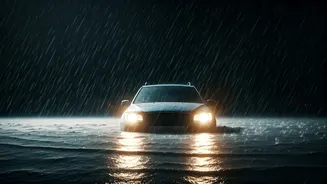
Monsoons aren't just about rain; they're about visibility. A sudden, intense downpour or a rolling haboob (dust storm) can reduce visibility to near zero in seconds. This is when your vehicle’s lights become crucial safety equipment. Have a friend help you perform a quick check: test your headlights (both low and high beams), tail lights, brake lights, and emergency flashers. In many states, like Arizona, it's the law to have your headlights on during rainfall. Functioning lights ensure you can see the road ahead and, just as importantly, that other drivers can see you.
5. Don't Forget Your Air Filters
Haboobs are a dramatic signature of the Southwest monsoon, but they wreak havoc on your car’s respiratory system. These massive dust walls force fine particles into every crevice. Your engine air filter protects your engine from ingesting this abrasive dust, which can cause significant damage. A clogged filter will also reduce fuel efficiency and horsepower. Just as important is your cabin air filter, which keeps the air you breathe inside the car clean. Replacing both before and after the peak dust season is a smart, relatively inexpensive bit of maintenance.
6. Test Your Battery's Strength
Extreme summer heat is a battery killer. The high temperatures can accelerate the degradation of internal components, leaving your battery weak and prone to failure. The last thing you want is to be stranded with a dead battery in the middle of a torrential downpour or on a flooded street. Most auto parts stores will test your battery for free. If it’s more than three years old or showing any signs of weakness, it's wise to replace it before it leaves you stranded at the worst possible moment.
7. Stock a Monsoon-Specific Emergency Kit
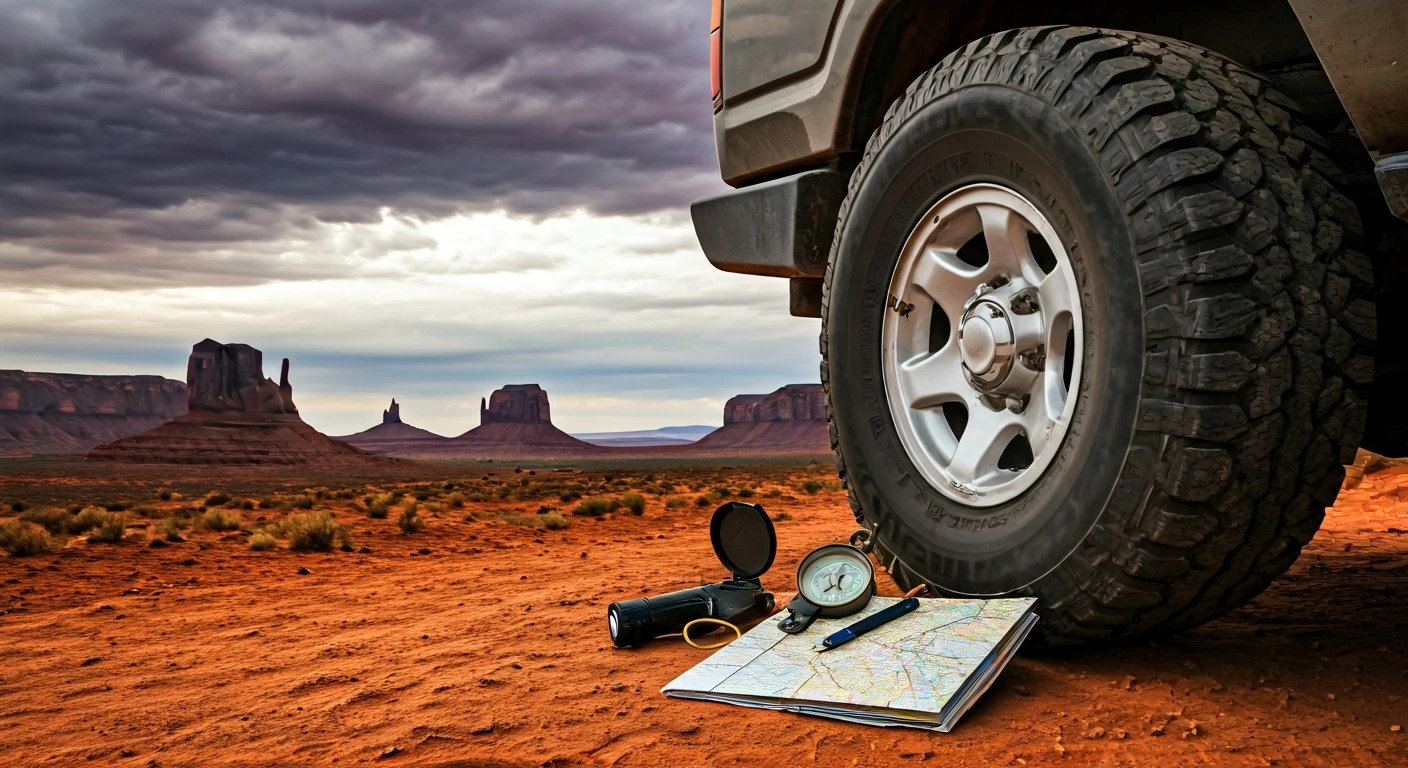
A basic car emergency kit is a good start, but it needs a few monsoon-specific upgrades. Flash floods can close roads for hours, so be prepared for a long wait. Your kit should include extra bottles of drinking water, non-perishable snacks, a powerful flashlight with fresh batteries, a portable phone charger or power bank, and a first-aid kit. A blanket and a rain poncho are also great additions. The goal is to be self-sufficient if you get stuck, ensuring a minor inconvenience doesn't turn into a serious emergency.