




From Performance to 'Party Pace'
For decades, the idea of a “running club” conjured images of elite athletes in matching singlets, focused on speed work and race prep. It was a culture that, intentionally or not, often felt exclusive and intimidating to newcomers. But that model is being
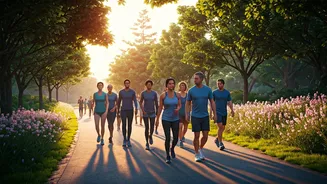
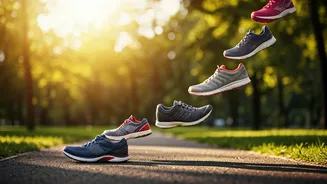
turned on its head. Across the country, a different kind of club has emerged, built around a simple, revolutionary idea: running should be fun. These groups champion what’s often called the “party pace”—a conversational, relaxed speed where the goal isn’t a personal best, but connection. The run itself is often just the prelude to the main event: coffee, beers, or just hanging out afterward. This simple shift in priority, from performance to people, has cracked open the door for thousands who never saw themselves as “runners.”
A Place for Every Pace and Person
One of the most significant barriers in traditional running is the fear of being too slow. The dreaded “no-drop run” that still ends up dropping people is a classic source of anxiety. The new wave of running clubs actively dismantles this fear. Groups like the Slow AF Run Club, founded by Martinus Evans, celebrate slowness and create a dedicated space for the “back of the pack.” Their ethos is built on the idea that all movement is valid, whether it’s a 15-minute mile, a jog-walk interval, or simply a brisk walk. By explicitly welcoming all abilities, these clubs remove the pressure to keep up and replace it with the permission to just show up. They advertise themselves as walker-friendly and beginner-centric, ensuring that the first time someone joins, they immediately feel like they belong, regardless of their fitness level.
More Than a Workout, It's a Community
Beyond pace, these clubs are also creating vital spaces for specific communities to feel safe, seen, and supported. For many, a standard running group might not feel like a comfortable space. In response, identity-focused clubs have flourished, providing something deeper than just a workout. Organizations like Black Girls RUN! were founded to combat the health disparities affecting African-American women and provide a supportive environment to counter the feeling of isolation many feel in a predominantly white sport. Similarly, groups like Frontrunners, an international network of LGBTQ+ running clubs, offer a space where members can be their authentic selves without fear of judgment. These clubs are powerful because they understand that a sense of belonging is just as important to well-being as cardiovascular health. They are social lifelines, networking hubs, and support systems disguised as running clubs.
The Unofficial Support System
The secret sauce of these clubs isn’t a secret training plan; it’s accountability rooted in genuine friendship. It’s easier to get out the door for a run on a cold morning when you know people are waiting for you—not to time you, but to talk to you. This social structure provides a powerful boost for both physical and mental health. Members share advice, celebrate small wins (like finishing a first 5K), and provide a listening ear during tough times. In a world where loneliness is a growing public health concern, these groups offer a free, accessible, and healthy way to build a real-world social network. They are a testament to the fact that while fitness can be a personal journey, it doesn’t have to be a lonely one. The shared struggle up a hill and the shared laughter over a post-run drink forge bonds that go far beyond the pavement.