






The Brains Behind the Delivery Bag
For most of us, the most visible example of this trend is the on-demand food delivery world. Companies like DoorDash, Uber Eats, and Grubhub aren't just digital menus; they are sophisticated logistics platforms. When you place an order, an algorithm gets
to work in milliseconds. It doesn’t just find the closest driver. It considers dozens of variables: current traffic, the restaurant's average food prep time, whether another order from a nearby restaurant can be 'batched' with yours, and the driver's current location and destination. DoorDash's internal system, for instance, is designed to solve a complex logistical puzzle known as the 'Traveling Salesman Problem' on a massive, city-wide scale, every minute of the day. The goal is maximum efficiency: getting the most orders delivered in the shortest amount of time, using the fewest drivers. This keeps delivery fees competitive and ensures your food doesn't spend an extra 15 minutes getting cold in someone’s car.
Fuel, Freight, and Finding a Good Meal
The impact on consumer food delivery is huge, but it pales in comparison to the technology’s role in the commercial trucking industry, the backbone of the U.S. economy. For a trucking company, an inefficient route doesn't just mean a late package; it means wasted fuel, missed deadlines, and lost revenue. Logistics companies now use powerful AI-driven software to plan multi-day, multi-stop routes for their entire fleet. These algorithms factor in everything: road closures, weather patterns, fuel costs at different truck stops, and, crucially, federal Hours of Service regulations that mandate when drivers must rest. This is where food stops come in. The software can identify optimal stopping points that have secure parking for a semi-truck, fuel, and amenities for the driver—including decent food options. Instead of a driver guessing where to pull over for the night, the system recommends a stop that fits perfectly into a hyper-optimized schedule, saving the company money and keeping the driver compliant with safety laws.
Not Just for Professionals
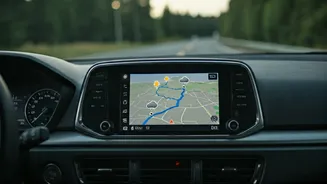
This algorithmic approach is also trickling down to the consumer level for travel planning. While Google Maps has optimized routes for years, newer apps and features are emerging that take it a step further. Imagine telling a trip-planning app you're driving from Chicago to Denver, you want to drive no more than six hours a day, and you love quirky roadside diners and scenic overlooks. An algorithm can now chart a course that isn't just the fastest but the *best for you*, weaving in your preferences to suggest food stops and overnight stays that match your tastes. Instead of just pointing you to the nearest fast-food chain off the interstate, it might route you an extra ten minutes to a highly-rated local BBQ joint. This turns route planning from a simple A-to-B problem into a personalized experience generator, all powered by data and predictive modeling.
The Human Cost of Perfect Efficiency
While algorithmic optimization brings clear benefits like speed and cost savings, it’s not without its drawbacks. For delivery drivers, being managed by an algorithm can feel relentless and dehumanizing. The pressure to accept batched orders or follow a precisely timed route can eliminate the flexibility that attracted many to the gig in the first place. In trucking, while optimized routes are efficient, they may also steer drivers away from their favorite independent, family-owned truck stops in favor of large, corporate chains that have data-sharing partnerships with the logistics software. As these systems become more powerful, a constant conversation is needed about balancing the relentless logic of the machine with the autonomy and well-being of the humans who still have to do the driving.