


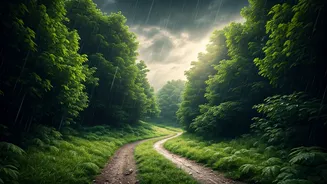
The Allure of a Downpour
For most vacationers, a forecast of rain is a reason to cancel. For a pluviophile—literally, a lover of rain—it’s the main attraction. This isn’t about a light drizzle; it’s about the immersive, sensory experience of a full-blown monsoon. Imagine sitting
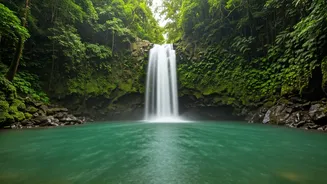
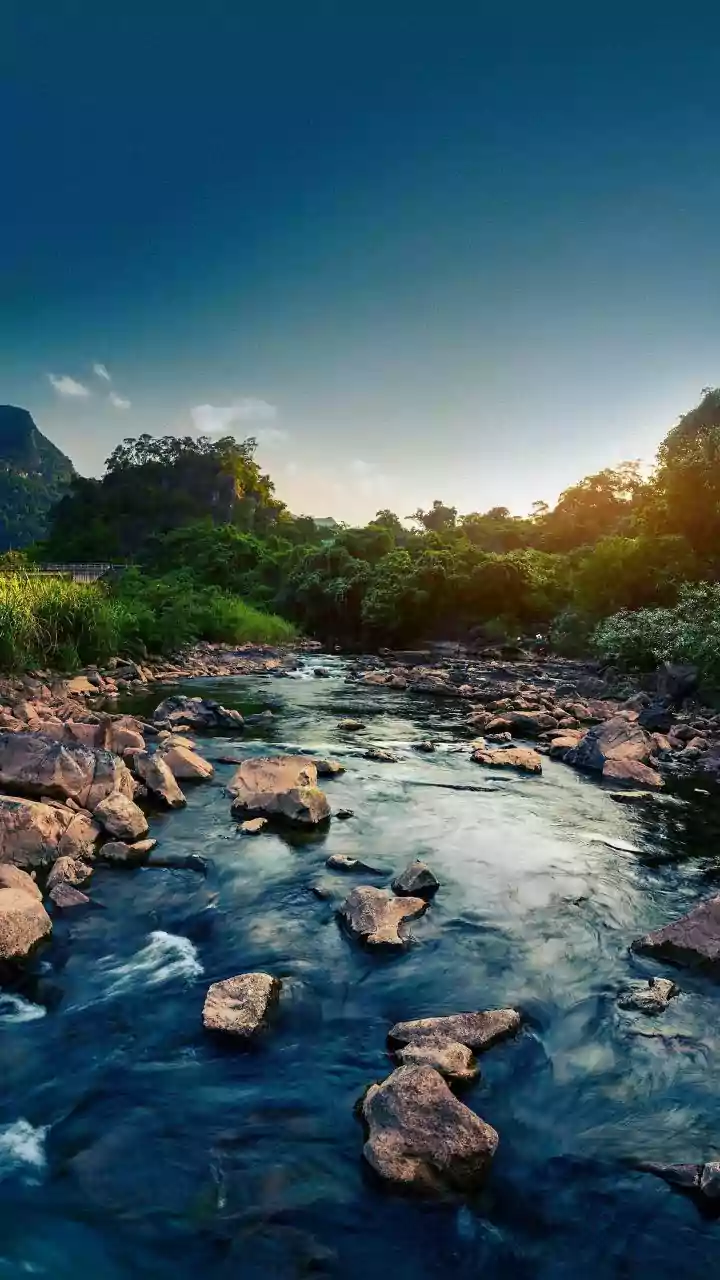
on a veranda in Kerala, India, a cup of hot chai in hand, as the sky opens up. The air, once thick with heat, cools instantly. The earthy scent of petrichor rises from the parched ground, and the world is painted in a thousand shades of green, washed clean by the deluge. This is the heart of “rain tourism” or “monsoon tourism,” a travel trend centered on destinations famous for their spectacular rainy seasons. Travelers aren't just tolerating the weather; they are actively seeking its drama and therapeutic qualities. The rhythmic drumming of rain on a tin roof, the sight of waterfalls roaring back to life, and the general cozy, introspective mood offer a profound escape from the hustle of modern life. It's a form of 'slow travel' that encourages reading, reflection, and connecting with nature at its most powerful.
Where the Rain Reigns Supreme
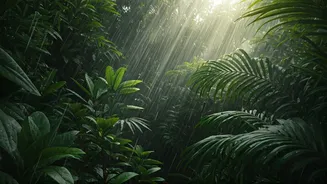
The epicenter of this phenomenon is South and Southeast Asia, where the annual monsoon is not just a weather event but a cornerstone of culture, agriculture, and life itself. Destinations in India, like Goa and the backwaters of Kerala, have built entire tourism seasons around it. They offer discounted hotel rates and specialized experiences like Ayurvedic treatments, which are traditionally believed to be more effective during the cool, moist monsoon period. In Thailand, the 'green season' brings fewer crowds and stunningly lush landscapes to places like Chiang Mai. Costa Rica’s rainy season transforms its rainforests into a vibrant, misty wonderland, attracting wildlife enthusiasts who know that many animals are more active during this time. The appeal is clear: you trade tourist hordes and peak-season prices for a more authentic, atmospheric, and deeply personal travel experience.
An Unpredictable Season
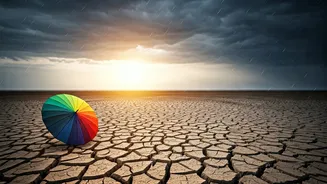
The entire premise of monsoon tourism, however, rests on a predictable rhythm—a promise that the rains will arrive on time and with their characteristic intensity. Lately, that promise has become shaky. Climate scientists have observed that monsoon patterns are becoming more erratic. A “weak” monsoon doesn't just mean a little less rain; it can mean a delayed onset, prolonged dry spells mid-season, or rain falling in short, destructive bursts rather than sustained, nourishing downpours. Recent years have seen this play out across India and other parts of Asia. The Indian Meteorological Department has frequently reported on below-average rainfall or unpredictable distribution, where some regions get flooded while others remain anxiously dry. This variability is the core of the problem. A monsoon that arrives weeks late or peters out unexpectedly undermines the very reason tourists are there. The waterfalls they came to see might be mere trickles, the rivers too low for boat tours, and the landscape not quite the vibrant emerald they saw in brochures.
The Complicated Aftermath
For the local economies that have embraced rain tourism, this uncertainty is a serious threat. A hotelier in Goa who markets “monsoon packages” is banking on the rain arriving in June. If it’s delayed until late July, they face two months of confused tourists and potential cancellations. Local guides who specialize in trekking to seasonal waterfalls find themselves with no destination to show. The entire ecosystem, from small restaurant owners to tour operators, feels the ripple effect. More than just disappointing a few rain-loving travelers, an unreliable monsoon disrupts a vital economic lifeline that was built on the assumption of climatic stability. It forces a difficult question: how do you market an experience that is becoming increasingly unpredictable? It complicates planning, disappoints travelers, and jeopardizes the livelihoods of those who depend on the sky’s clockwork generosity.