





The Sensory Symphony
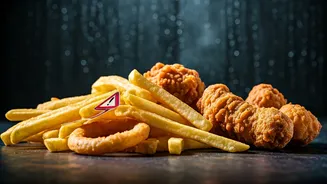
Let’s be honest, the appeal of fried food is a full-body experience that starts long before the first bite. It’s the sizzle of batter hitting hot oil, a sound that promises transformation. It’s the rich, savory aroma that fills the kitchen, a scent that feels
like a warm hug. Most importantly, it’s the crunch. That first audible crackle of a french fry or a piece of fried chicken is a textural masterpiece that our brains are hardwired to love. Researchers call this the 'music of mastication.' The crispiness signals freshness and provides a satisfying contrast to the soft, steamy interior. On a dreary, monotonous day where everything feels muted and damp, the sharp, vibrant sensory input of fried food cuts through the noise, demanding our full, blissful attention.
Your Brain on Comfort
This isn't just poetry; there’s some fascinating science at play. When you’re feeling down or stressed—the emotional equivalent of a rainy day—your body often seeks a quick fix. Foods high in fat and carbohydrates, the defining duo of the fried food world, are exceptionally good at delivering one. Consuming them can trigger the release of dopamine, the neurotransmitter associated with pleasure and reward. It’s the same chemical pathway activated by things that make us feel good in other ways. In essence, that basket of onion rings isn’t just feeding your stomach; it’s sending a direct message to your brain’s pleasure center that says, 'Everything is going to be okay for the next ten minutes.' This biological reward system reinforces the behavior, teaching us from a young age that when we feel bad, fried food can make us feel better, even if only temporarily.
An Edible Security Blanket
Beyond the immediate chemical hit, fried foods are often steeped in powerful personal and cultural nostalgia. For many of us, they are the taste of childhood, community, and care. Think of the state fair corn dog, the fish fry on a Friday night, or the fried chicken at a family picnic. These aren't just meals; they're memories. Psychologists refer to this as 'socially-learned comfort eating.' We associate these foods with times of celebration, safety, and being looked after. When we eat them as adults during a 'rainy mood,' we’re not just consuming calories. We’re subconsciously reaching for an edible security blanket, tapping into a deep well of positive associations that provide a sense of stability and comfort when the outside world feels chaotic or gloomy. It’s a way of briefly returning to a simpler, more secure time.
Permission to Indulge
In our modern era of wellness optimization and 'clean eating,' the simple act of enjoying fried food can feel fraught with guilt. It’s often labeled a 'cheat meal,' a dietary transgression to be logged and compensated for. But this framing misses the point entirely. Responding to a low mood with a comforting meal isn't a moral failing; it's a deeply human act of self-soothing. There’s a growing recognition that mental and emotional well-being are just as important as physical health. Allowing yourself the grace to enjoy a plate of fries on a tough day can be a form of self-care. It’s about listening to your body and your mind and providing what they’re asking for: a moment of warmth, pleasure, and uncomplicated satisfaction. It’s not about abandoning health goals, but about understanding that a balanced life has room for the occasional, soul-fortifying crunch.