





What Is a Vertical Garden?
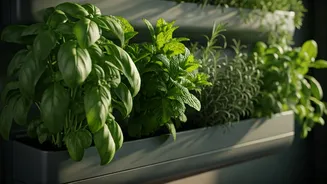
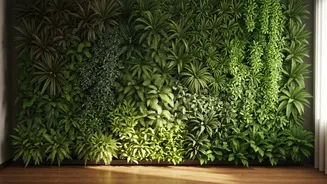
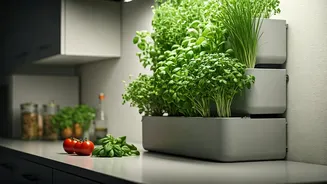
At its core, a vertical garden is exactly what it sounds like: a system for growing plants on a vertically suspended surface. But forget simple images of ivy crawling up a wall. Today’s vertical kitchen gardens are sophisticated, self-contained ecosystems
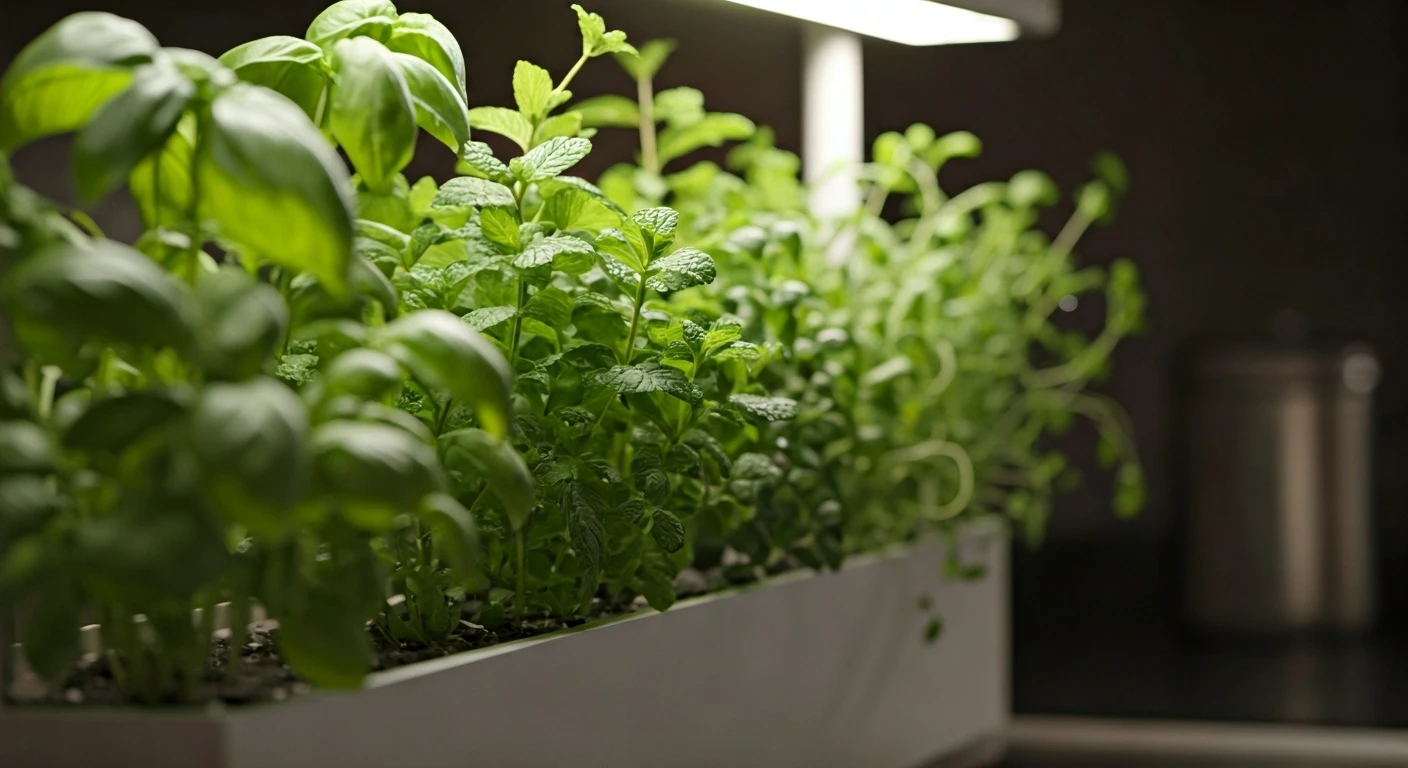
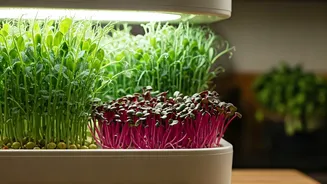
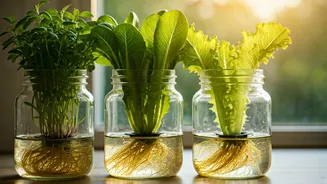
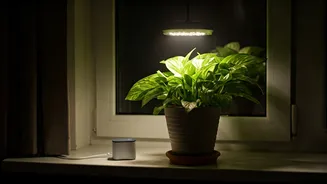
designed for indoor food production. They range from simple, soil-based stacked planters to high-tech hydroponic or aeroponic towers that use nutrient-rich water instead of soil. These systems often come with built-in, full-spectrum LED grow lights and automated watering and nutrient schedules, creating a perfect, low-maintenance environment for plants to thrive, regardless of the season or the amount of natural light in your home.
The Appeal for Urban Dwellers
For anyone living in a city apartment or a home with limited outdoor space, the traditional garden has long been out of reach. Vertical gardens shatter that barrier. Occupying a footprint of only a few square feet, they allow urbanites to cultivate a surprising amount of produce. This isn't just about saving space; it's about reclaiming a connection to our food. In a world of long supply chains and plastic-wrapped produce, the desire for fresh, clean, and locally grown food has never been stronger. The vertical garden puts the 'local' right in your living room, bridging the gap between urban living and nature.
From Kitchen-to-Table in Seconds
The most immediate and gratifying benefit is the impact on your cooking. The flavor and nutritional value of produce begin to decline the moment it’s harvested. With a vertical garden, you are picking herbs, greens, and even fruiting plants like cherry tomatoes at their absolute peak. This hyper-freshness transforms everyday meals. Your pesto will be more fragrant, your salads will be crisper, and your cocktails will have a brighter kick from just-picked mint. It also encourages culinary experimentation, giving you access to delicate herbs like dill or tarragon and unique lettuce varieties that are often hard to find or expensive at the grocery store.
Getting Your Hands Dirty (Or Not)
Diving into vertical gardening has become remarkably easy. For beginners, a soil-based, multi-tiered planter is a great, low-cost entry point for growing hardy herbs. However, the real buzz is around hydroponic systems. While the initial investment for a high-tech tower (often between $400 and $900) can be significant, they are designed for ease of use. Most come as all-in-one kits with everything you need, including starter plants or seeds. The system does the hard work: automated timers manage the lights and water pump, and pre-mixed nutrients take the guesswork out of feeding your plants. Your main job is to add water weekly and, of course, harvest your bounty.
A Small Footprint, A Big Impact
Beyond the personal benefits, vertical kitchen gardens tap into a broader movement toward sustainable living. Hydroponic systems, for example, typically use up to 95% less water than traditional soil farming. By growing food at home, you eliminate the carbon footprint associated with 'food miles'—the transportation, packaging, and refrigeration required to get produce from a farm to your local store. It also helps combat food waste. Instead of buying a large bunch of cilantro only to use a fraction before it wilts, you can snip exactly what you need, leaving the rest of the plant to keep growing. It’s a small but powerful step toward a more sustainable and self-sufficient lifestyle.