

Why This Trek is Bucket-List Worthy
Tucked away in the state of Uttarakhand in the Indian Himalayas, the Valley of Flowers National Park is a place of almost mythical beauty. For most of the year, it’s a frozen, inaccessible landscape. But for a few short months, as the monsoon rains arrive,
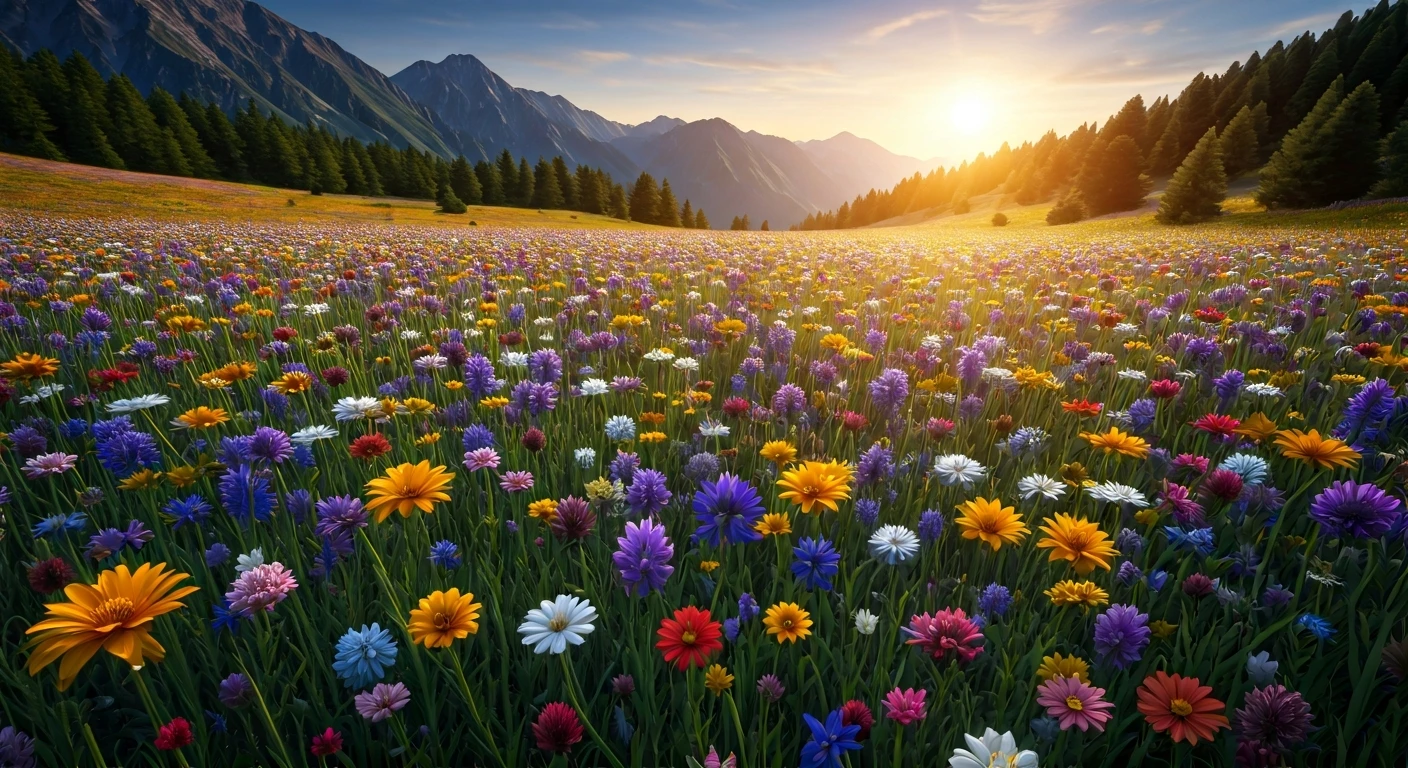
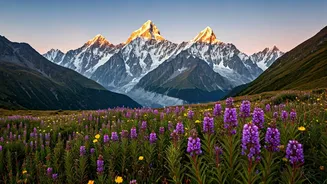
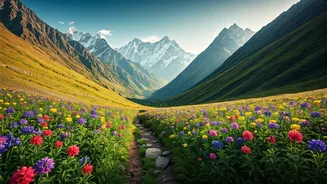
the valley floor explodes with over 500 species of wildflowers, including the elusive blue poppy and Brahma Kamal. This explosion of color, framed by rugged mountains and glistening glaciers, is what draws adventurers from around the world. Unlike more extreme Himalayan expeditions, this trek is a perfect blend of breathtaking scenery and manageable challenge, making it an ideal first foray into high-altitude trekking for the moderately fit.
The Perfect Window: When to Go
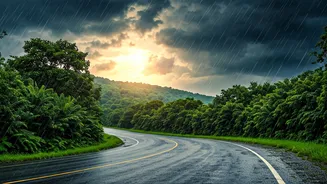
Timing is everything. The Valley of Flowers is only open to the public from early June to early October, but the absolute best time to visit is from mid-July to mid-August. This is the peak of the monsoon season, which means you should expect—and prepare for—rain. But the rain is what makes the magic happen, coaxing the flowers into their most spectacular bloom. Traveling outside this window means you'll find fewer flowers and potentially less predictable weather. While the monsoon brings the risk of landslides and travel delays on the roads leading to the trek, it's a necessary trade-off for witnessing the valley in its full, glorious state.
Getting to the Trailhead
The journey to the start of the trek is an adventure in itself. For U.S. travelers, the most common route is to fly into New Delhi (DEL). From there, take a short domestic flight to Jolly Grant Airport (DED) in Dehradun. The real journey begins here. You'll need to hire a car or take a shared taxi for a long, winding 10-12 hour drive to the small town of Govindghat. Many travelers break this journey up by staying overnight in a town like Rishikesh or Joshimath. From Govindghat, a short drive takes you to Pulna, the official starting point of the trek.
A Classic 4-Day Trek Itinerary
Once you're in Pulna, the trek unfolds over several days. The key is to take your time and acclimatize properly.
Day 1: Pulna to Ghangaria (Approx. 6 miles). This is a steady, mostly uphill walk along a well-marked stone path. The route follows the roaring Pushpawati River. Ghangaria, a small village at around 10,000 feet, will be your base camp for the next two nights. It offers basic guesthouses and restaurants.
Day 2: Ghangaria to Valley of Flowers and back (Approx. 5 miles round trip). After a short walk, you'll reach the official park entrance. Once inside, the valley opens up before you. Spend several hours exploring the vast meadows. The path is gentle, allowing you to focus on the flowers and stunning landscape before returning to Ghangaria for the night.
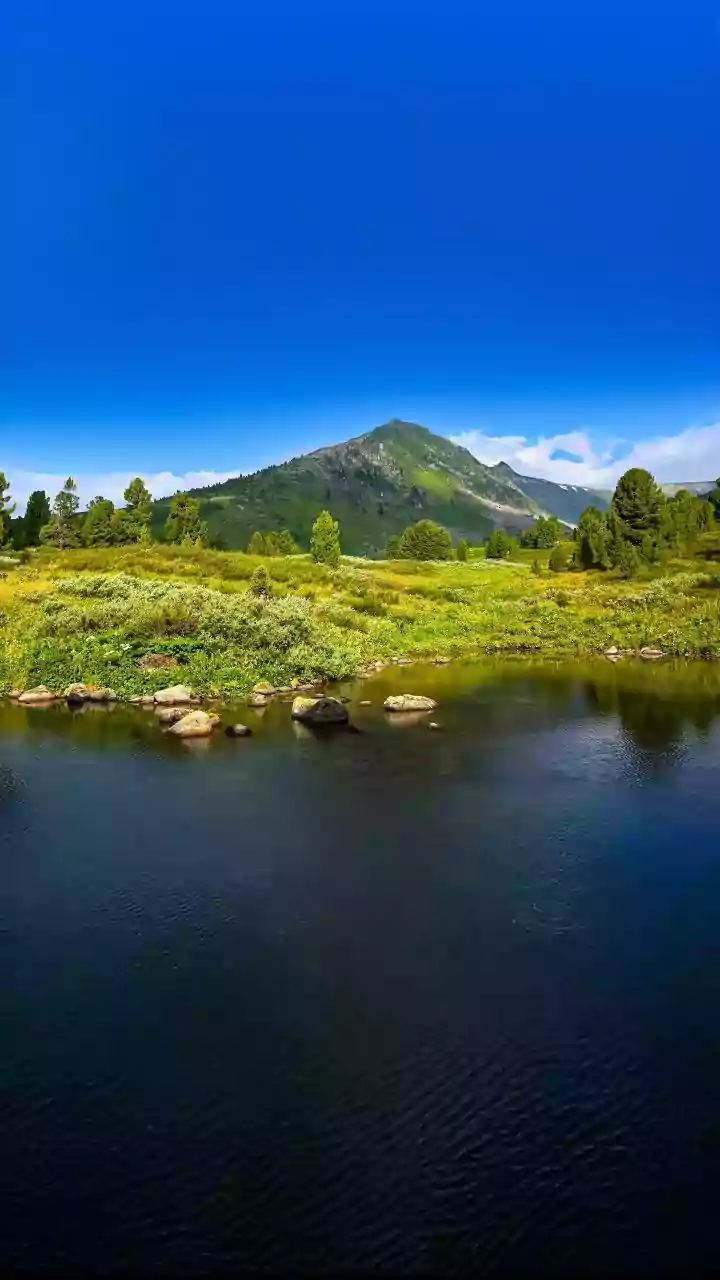
Day 3: Ghangaria to Hemkund Sahib and back (Approx. 7.5 miles round trip). This is the most challenging day. The trail to the sacred Sikh pilgrimage site of Hemkund Sahib is steep and demanding, climbing to an altitude of over 14,000 feet. The reward is the stunning high-altitude lake and the sense of accomplishment. It's a crucial part of the experience but optional if you're feeling the altitude.
Day 4: Ghangaria to Pulna (Approx. 6 miles). The trek back down is much faster, but can be tough on the knees. From Pulna, you can get a taxi back to Govindghat and begin your journey home.
Altitude, Safety, and Essential Gear
Altitude sickness is a serious risk and should not be underestimated. The itinerary is designed for gradual acclimatization, with Ghangaria serving as the crucial base camp. Listen to your body: if you experience headaches, nausea, or dizziness, do not ascend further. Stay hydrated and walk at a slow, steady pace. Permits are required to enter the Valley of Flowers and are easily obtained at the park entrance gate just beyond Ghangaria. As for gear, think waterproof everything: a good rain jacket, rain pants, and a waterproof cover for your backpack are non-negotiable. Wear broken-in, waterproof hiking boots. Pack layers of synthetic clothing (no cotton), trekking poles for stability, a basic first-aid kit, and any personal medications.