






The Rise of the Anti-Sunshine Vacation
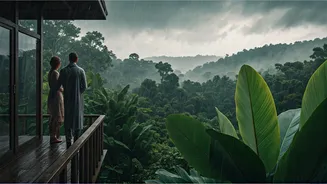
Welcome to the era of 'monsoon romance.' It’s a travel philosophy that intentionally seeks out the rainy season in destinations typically famed for their sun. Instead of chasing golden hours, these travelers are embracing dramatic, cloud-filled skies,
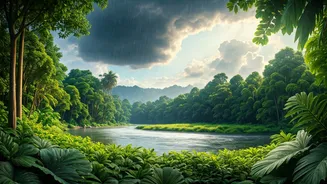
the rhythmic sound of downpours, and the vibrant, almost impossibly green landscapes that emerge. This isn't about salvaging a trip ruined by bad weather; it's about choosing the weather for the atmosphere it creates. In a world saturated with picture-perfect, brightly lit Instagram feeds, monsoon travel offers a moody, cinematic alternative. It’s a quiet rebellion against the pressure to perform happiness under a relentless sun. The appeal lies in its authenticity. Rain is unpredictable, beautifully inconvenient, and forces a slower, more contemplative pace. It’s less about doing and seeing everything on a checklist and more about being present—curled up with a book watching a storm roll in, taking a walk in the drizzle through a deserted temple, or sharing a warm drink as the world outside is washed clean.
An Aesthetic for the Senses
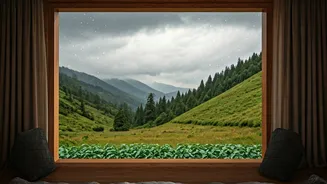
The monsoon romance aesthetic is deeply sensory. It’s the earthy smell of petrichor—the scent of rain hitting dry ground. It's the sight of mist clinging to hillsides in places like Thailand's Chiang Mai or India's Western Ghats. It’s the amplified sound of nature, from croaking frogs to the steady drum of rain on a tin roof. This rich sensory palette is a powerful antidote to our screen-heavy lives, offering an immersive experience that a perfect beach day often lacks. Social media, ironically, has played a significant role in popularizing this atmospheric travel style. The visual language of monsoon romance—think cozy cabins, steaming mugs of tea against a rain-streaked window, empty, glistening streets, and lush, dripping foliage—resonates with a growing desire for 'cozy vibes' and romanticized solitude. Hashtags like #pluviophile (a lover of rain) and #monsoontravel are filled with images that look less like travel brochures and more like scenes from an indie film, capturing a feeling of intimacy and quiet drama that travelers are increasingly seeking.
The Practical Perks of Imperfect Weather
Beyond the romantic ideal, there are compelling practical reasons to travel during the so-called 'off-season.' The most obvious benefit is the price. Flights and accommodations are often significantly cheaper during monsoon months, making luxury stays more accessible. For budget-conscious travelers, it’s a way to experience five-star destinations on a three-star budget. The second major advantage is the lack of crowds. Overtourism has become a significant issue in many of the world's most beautiful places. Visiting during the rainy season allows you to experience iconic sites like Angkor Wat in Cambodia or the backwaters of Kerala, India, with a fraction of the usual tourist traffic. You’re not jostling for the perfect photo; you’re able to connect with the place on a more personal, peaceful level. This solitude enhances the romantic and reflective nature of the trip, turning a tourist destination back into a place of genuine discovery.
Where to Chase the Storm
This trend is most prominent in South and Southeast Asia, where the monsoon transforms the landscape. In destinations like Bali, the Philippines, and Vietnam, the summer months bring dramatic downpours that are often short-lived, leaving behind stunningly fresh scenery. India, particularly states like Goa and Kerala, has long celebrated the monsoon, with wellness retreats embracing the season for its restorative and ayurvedic benefits. But you don't have to fly across the world to find it. The United States has its own pockets of monsoon romance. The Pacific Northwest, with its famously misty and moody coastline, is a natural fit. Even the American Southwest has a monsoon season, typically from July to September, when dramatic thunderstorms roll across the desert, creating breathtaking light shows and filling the air with the scent of creosote. It’s a reminder that this travel ethos is less about a specific pin on a map and more about a mindset—finding the profound beauty that a little rain can reveal.