

The Great Un-Greigeing
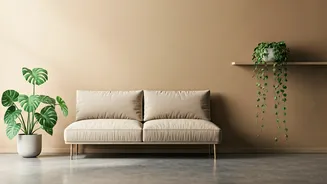
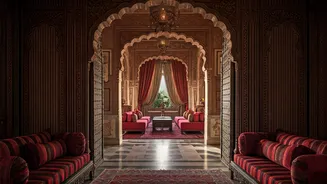
Step inside a stylish, modern Indian home today, and you’ll likely feel an immediate sense of calm. The cool grays, stark whites, and industrial metals that defined aspirational interiors for the better part of a decade are receding. In their place is a rich
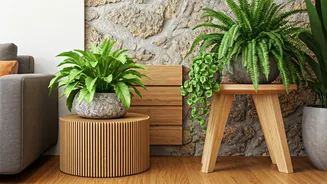
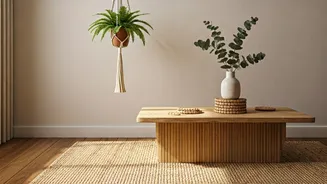
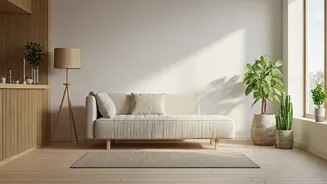
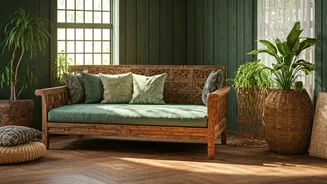
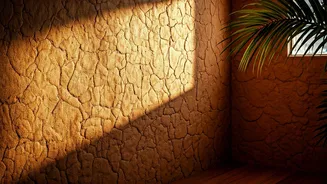
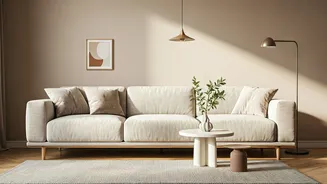
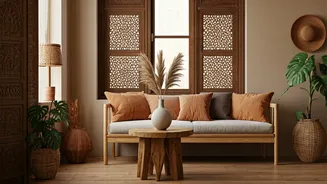
tapestry of textures and tones pulled directly from the earth. This isn’t about rustic clutter or a heavy, old-fashioned look. Instead, it’s a sophisticated, contemporary aesthetic that champions natural imperfections and handcrafted character. Think smooth, unpolished stone floors underfoot, walls with the soft, chalky finish of lime plaster, and furniture made of cane, rattan, and warm-toned woods. The overall effect is a space that feels less like a showroom and more like a sanctuary—a place designed for living in, not just looking at.
A Palette Pulled From Nature
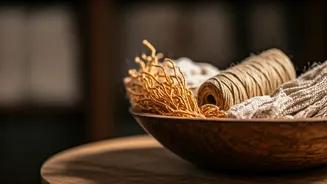
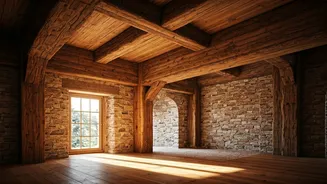
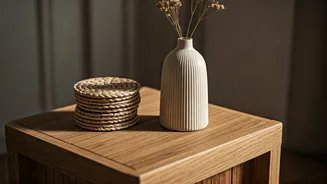
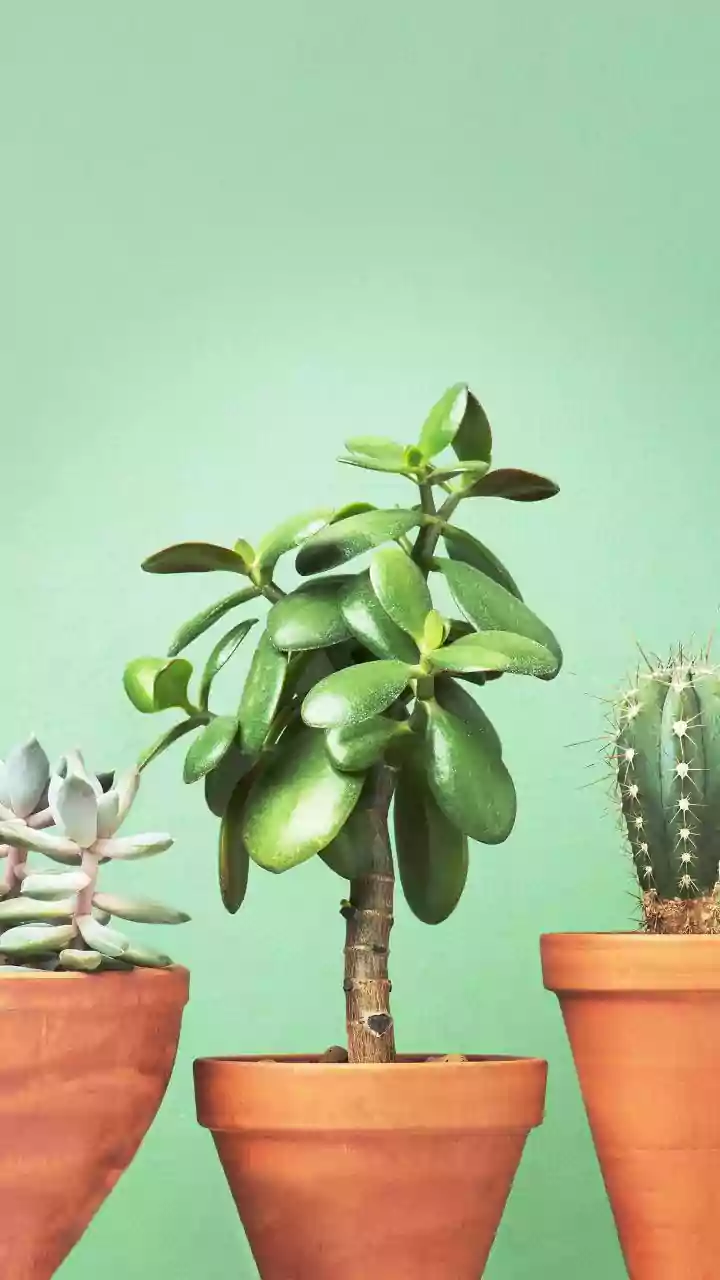
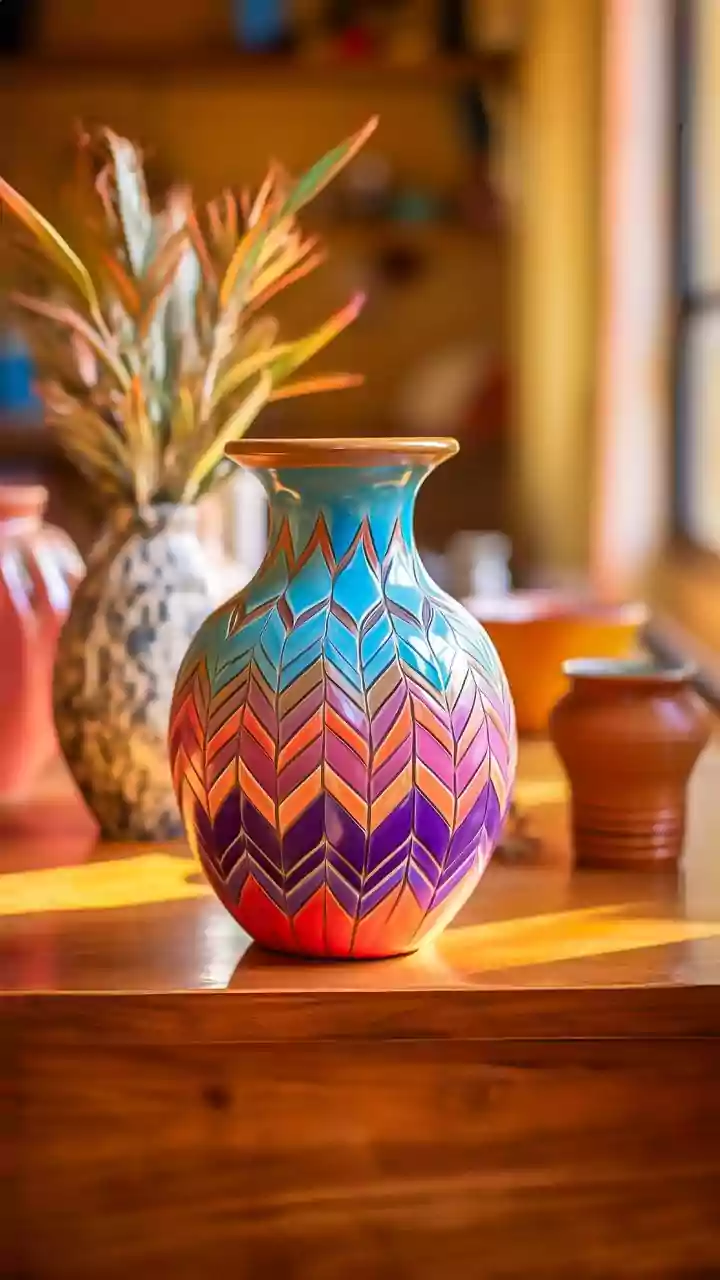
The materials at the heart of this trend are as beautiful as they are traditional. Terracotta, the baked earth that has been used in Indian construction for millennia, is making a major comeback—not just in pots, but in floor tiles, wall cladding, and decorative accents that glow with a warm, reddish-brown hue. Woven materials like jute, cane, and rattan are everywhere, bringing texture and lightness to chairs, cabinets, and lighting fixtures. These elements are a nod to classic colonial-era and mid-century Indian design, but they feel fresh and modern in their current applications. Stone, too, is celebrated in its most natural state. Instead of high-gloss marble, designers are opting for matte-finished limestone, sandstone, and regional varieties like Kota stone, prized for their subtle color variations and cool touch. These are paired with soft, breathable textiles like hand-spun khadi cotton and linen, completing a look that is both visually and tactilely inviting.
Why Now? A Return to Roots
This shift isn't happening in a vacuum. It’s a direct response to several cultural currents. The most obvious driver is a collective, post-pandemic yearning for comfort. After years spent indoors, people want their homes to feel safe, nurturing, and connected to the natural world. This trend is a form of biophilic design—the practice of incorporating nature into the built environment to improve well-being. But in India, it runs deeper. There's a growing sense of cultural pride and a desire to reconnect with indigenous craftsmanship. By choosing locally sourced materials and furniture made by regional artisans, homeowners and designers are rejecting a homogenized, globalized look in favor of something that feels authentic and tells a story. It's a quiet rebellion against fast furniture and a celebration of 'Made in India' quality that is built to last.
More Than Just an Aesthetic
Ultimately, this movement is about a change in values. It champions sustainability, not as a buzzword, but as a practice. Natural materials are often more eco-friendly, biodegradable, and require less energy to produce than their synthetic counterparts. Using local stone reduces transportation emissions, and supporting artisan communities helps preserve traditional skills that might otherwise be lost. This approach represents a move toward “slow design,” where intention, longevity, and mindfulness are prioritized over fleeting trends. The goal is to create spaces that are not only beautiful but also healthier for both their inhabitants and the planet. It’s a philosophy that sees a home as a living, breathing entity that should evolve with its occupants, grounded in a sense of place and history.