


Buckwheat: The Misunderstood Powerhouse
Don't let the name fool you—buckwheat isn't wheat at all. It's a pseudocereal, a seed that’s consumed like a grain, and it’s naturally gluten-free. This makes it a star for anyone with gluten sensitivity or celiac disease. But its appeal is much broader.
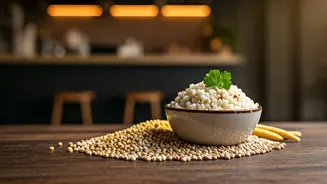
Buckwheat is a complete protein, containing all nine essential amino acids, and it's rich in fiber, magnesium, and antioxidants. Its current resurgence is fueled by the boom in plant-based eating and global flavors. You've likely seen it as Japanese soba noodles or Eastern European kasha (toasted groats). Its robust, earthy flavor adds depth to dishes, moving far beyond the bland reputation of some health foods. Try using buckwheat flour for pancakes or crepes, or toss cooked groats into a salad for a satisfying, nutty crunch.
Sorghum: The Sustainable All-Rounder
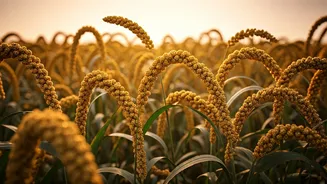
If you've never heard of sorghum, you're not alone, but this ancient grain is poised for a major comeback. A staple in Africa and India for centuries, sorghum is gaining traction in the U.S. for two key reasons: its impressive nutritional profile and its sustainability. It’s a drought-tolerant crop, requiring significantly less water than corn, which is a huge plus in a climate-conscious world. Nutritionally, it’s a winner. It's packed with fiber, protein, and iron. Its mild, slightly sweet flavor makes it incredibly versatile. You can cook the whole grain and use it as a base for grain bowls, a substitute for couscous, or even pop it like popcorn for a light, crunchy snack. Sorghum flour is also a popular component in gluten-free baking blends, adding structure and nutrients.
Millet: The Fluffy, Fast-Cooking Staple
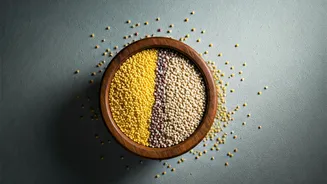
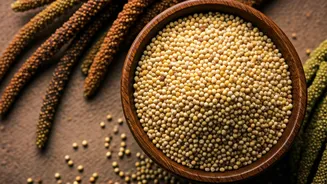
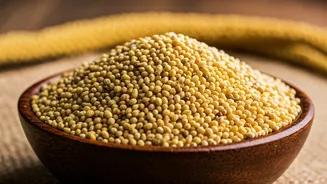
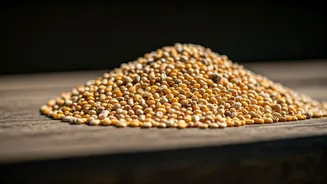
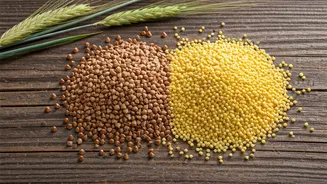
Often relegated to birdseed in the American imagination, millet is a tiny, gluten-free grain that deserves a spot in your pantry. It’s one of the oldest cultivated grains in the world and a dietary cornerstone across Asia and Africa. Why is it back in the spotlight? It cooks in just 20 minutes, making it a perfect weeknight alternative to rice or quinoa. When cooked, it has a light, fluffy texture and a delicate, corn-like flavor that doesn't overpower other ingredients. It can be made creamy like porridge for a hearty breakfast or kept fluffy for salads and side dishes. Millet is also a good source of magnesium, phosphorus, and antioxidants. As home cooks look for easy ways to diversify their meals without adding complex new techniques, millet's simplicity and adaptability make it a clear winner.
Farro: The Hearty Italian Classic
For those who aren’t avoiding gluten and love a substantial, chewy texture, farro is the ultimate gateway into the world of ancient grains. An ancestor of modern wheat, this Italian favorite has a satisfying bite and a rich, nutty flavor that stands up well to bold ingredients. Its renewed popularity is tied to the enduring appeal of Mediterranean cuisine and a desire for more wholesome, less-processed ingredients. Farro is higher in fiber and protein than many refined pasta and rice options, and it helps keep you feeling full longer. It's incredibly easy to prepare—simply simmer it in water or broth until tender. Use it in rustic soups, hearty salads with roasted vegetables and feta, or as a sophisticated substitute for risotto (sometimes called 'farrotto'). It’s the perfect grain for anyone who wants to eat healthier without sacrificing on taste or texture.